

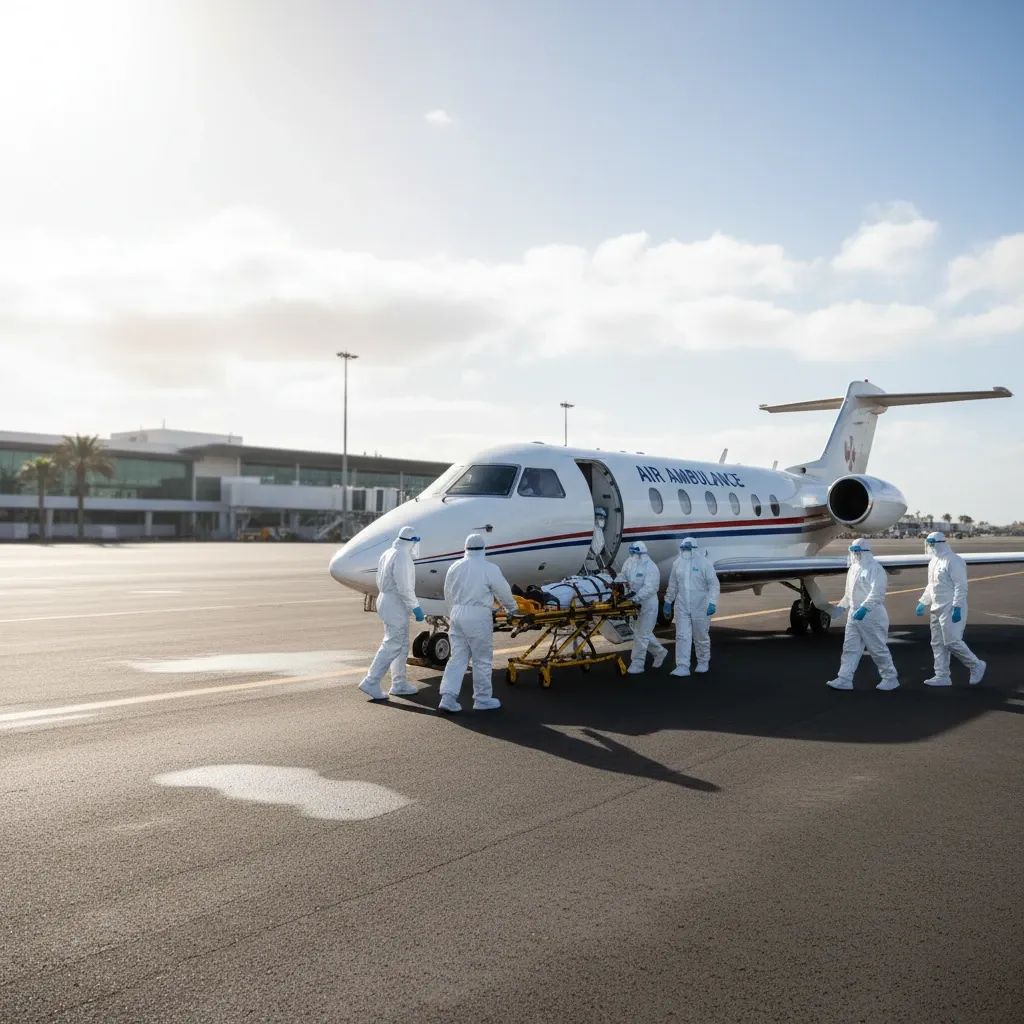
The MV Hondius, a Dutch-flagged cruise ship, docked at Granadilla port in Tenerife on May 15 following a rare hantavirus outbreak. The vessel, which departed Argentina in early April, is linked to 11 cases of the Andes strain of hantavirus, including three fatalities. This emergency docking represents a significant shift from Spain's original plan to manage evacuations while keeping the ship offshore.
The docking decision came after deteriorating sea conditions made it unsafe to continue transferring passengers via small boats. Over the past week, this incident has unfolded just off Portugal's southern coast—making it directly relevant to residents and travelers throughout the region.
Why This Matters for Portugal Residents
For those living in Portugal watching this crisis unfold nearby, the incident offers crucial insights into how European Union member states coordinate on transnational health emergencies. The Canary Islands, a major travel destination and stopover point for Portuguese tourists, became the evacuation center for this multinational operation. Portugal was among the nationalities represented on the vessel, meaning Portuguese citizens were potentially among those evacuated or monitored during the crisis.
The World Health Organization maintains that the risk to the general population is low, despite the ship now physically docking at Spanish soil. However, understanding what happened and why matters for anyone considering expedition cruises or travel to Atlantic island destinations.
Weather Forces Change of Plan
Spain's Health Minister Mónica García confirmed the docking decision via social media, citing "meteorological reasons" and recommendations from the Maritime Authority. Strong winds and heavy swells had made it unsafe to continue using small boats to ferry passengers from the anchored vessel to shore—a method used successfully on May 10 when the ship first arrived and 94 people from 19 nationalities were evacuated.
The weather deteriorated significantly throughout the day. After several failed attempts to launch tenders, authorities decided the only practical solution was to allow the MV Hondius to tie up at the pier. "After very complex days, this is the final phase of the operation," García wrote, emphasizing that the priority was completing the evacuation quickly and safely so the ship could depart for the Netherlands as soon as possible.
The vessel was refueled and resupplied with food in preparation for its Atlantic crossing to Rotterdam, where a comprehensive disinfection protocol awaits.
Regional Tensions Over Port Access
The decision to dock represents a sensitive compromise. The regional government of the Canary Islands had insisted throughout the operation that the ship remain offshore, invoking biosecurity concerns. Fernando Clavijo, president of the Canary Islands regional government, had publicly argued that allowing the vessel to berth could introduce health risks—specifically citing the possibility of infected rodents jumping ashore if the ship came into direct contact with land.
Clavijo acknowledged being informed of the docking by Minister García, stating in a message on X (formerly Twitter) that "the priority is that the operation proceeds with all guarantees, in the shortest time possible, and that the cruise can depart as soon as possible for the Netherlands." He reiterated that while he opposed conducting the operation in the Canary Islands, it was a matter of central government competence that regional authorities were obliged to respect.
Once the final passengers disembark and board their flights, Granadilla port will itself undergo disinfection procedures as a precaution.
Understanding Hantavirus Andes
The Andes hantavirus, while serious, does not spread easily and requires sustained, close contact for person-to-person transmission. The primary mode of infection is through contact with rodent droppings, urine, or saliva—specifically from wild rodents in South America. Hantavirus Andes is unique among hantaviruses as the only strain with documented human-to-human transmission, though such cases remain rare and have been reported sporadically in Argentina and Chile.
Symptoms begin one to eight weeks after exposure, typically starting with flu-like signs: fever, fatigue, muscle pain, headache, chills, and dizziness. In severe cases, the virus can progress to Hantavirus Cardiopulmonary Syndrome (HCPS), which involves respiratory failure and cardiac complications. There is no vaccine and no antiviral treatment; care is entirely supportive, often requiring intensive care, mechanical ventilation, and oxygen therapy.
For travelers considering expedition cruises, this outbreak serves as a reminder that remote itineraries—such as the MV Hondius' voyage through Patagonia—carry unique risks. The working hypothesis is that the first case contracted the virus on land before boarding, with subsequent transmission among passengers in the ship's enclosed environment.
Multinational Evacuation Effort
The evacuation operation has been a logistical feat. By the time the ship reached Tenerife on May 10, it was carrying approximately 147 passengers and crew from 23 nationalities, including citizens of the Netherlands, United States, Switzerland, United Kingdom, Germany, France, Spain, Canada, South Africa, Singapore, Greece, Belgium, Ireland, Poland, and Portugal.
Germany, France, Belgium, Ireland, and the Netherlands dispatched dedicated aircraft to repatriate their citizens. The European Union provided additional planes for other EU nationals. Passengers underwent rigorous health screening upon disembarkation and were placed under medical monitoring. The WHO initially recommended a 42-day isolation period for those exposed, reflecting the virus's long incubation window.
The complexity of tracking contacts across multiple continents underscores the challenges of managing infectious disease in an era of global mobility. Health authorities in numerous countries continue to monitor repatriated passengers for any late-developing symptoms.
Final Evacuation and Disinfection
The last 28 passengers will be repatriated to the Netherlands via two chartered flights from Tenerife South Airport this evening. The ship will sail for Rotterdam with approximately 30 crew members and two Dutch health professionals aboard, arriving on May 17 for full disinfection.
Once the MV Hondius arrives in Rotterdam on the evening of May 17, it will undergo a full cleaning and disinfection process. The ship is operated by Oceanwide Expeditions, which is awaiting clarity on whether the vessel will be ready in time for its scheduled Arctic cruises at the end of May. The 25 crew members and two Dutch health professionals remaining aboard will be under continuous medical observation during the Atlantic crossing. Modern maritime protocols require strict adherence to the International Health Regulations, including the Maritime Declaration of Health, which mandates that captains report all deaths, illnesses, and sanitary measures taken on board.
Broader Lessons for Maritime Health
The MV Hondius incident has reignited debate about sanitary protocols aboard cruise ships. These vessels, by nature, are enclosed environments where hundreds of people share common spaces, making them conducive to the spread of infectious diseases. The COVID-19 pandemic exposed systemic vulnerabilities in cruise ship health management, and this outbreak—though far smaller in scale—demonstrates that vigilance remains essential.
For Portugal, a nation with a strong maritime tradition and significant cruise tourism, the case highlights the importance of robust coordination between national health authorities and international bodies like the WHO and ECDC. The fact that the Canary Islands—a popular stopover for transatlantic voyages—became the evacuation point also underscores the strategic role of Atlantic islands in managing health emergencies at sea.
The Spanish Ministry of Health and the Canary Islands government deserve credit for managing a delicate operation under intense pressure, balancing public health imperatives with regional concerns and logistical constraints. The successful repatriation of nearly 120 individuals from multiple nationalities in less than a week is a testament to European coordination capacity.
As the MV Hondius sails toward Rotterdam, it leaves behind a case study in how Europe manages rare but serious infectious threats in the age of global travel. For residents of Portugal and neighboring countries, the message is clear: systems are in place, risks are being managed, and the threat to the general public remains minimal.


