
The Volta a Portugal cycling race witnessed a fatal accident that claimed the life of 19-year-old British rider Finlay Tarling during stage 8 on August 14, casting a shadow over one of the nation's most prestigious sporting events. The Welsh cyclist collided with a commercial van near Arcozelo, Ponte de Lima, a tragedy that has ignited international scrutiny of race safety protocols and raised urgent questions about how a vehicle entered the supposedly secure race corridor.
Why This Matters
• Safety gaps exposed: A van entered the live race course despite Portugal's Guarda Nacional Republicana (GNR) security presence, highlighting potential vulnerabilities in mobile road closure systems.
• International pressure mounting: The Cyclistes Professionnels Associés (CPA) union has condemned current safety standards and demanded stricter traffic management, specifically criticizing the "rolling roadblock" method used in Portugal.
• Legislative response: The Portugal Cycling Federation (FPC) has pledged to propose new Road Code penalties for motorists who violate closures during sporting events on public roads.
• Race continues under shadow: The competition proceeded after a day's mourning, with organizers eliminating publicity caravans and conducting a formal tribute before stage 9.
The Collision That Stopped a Nation
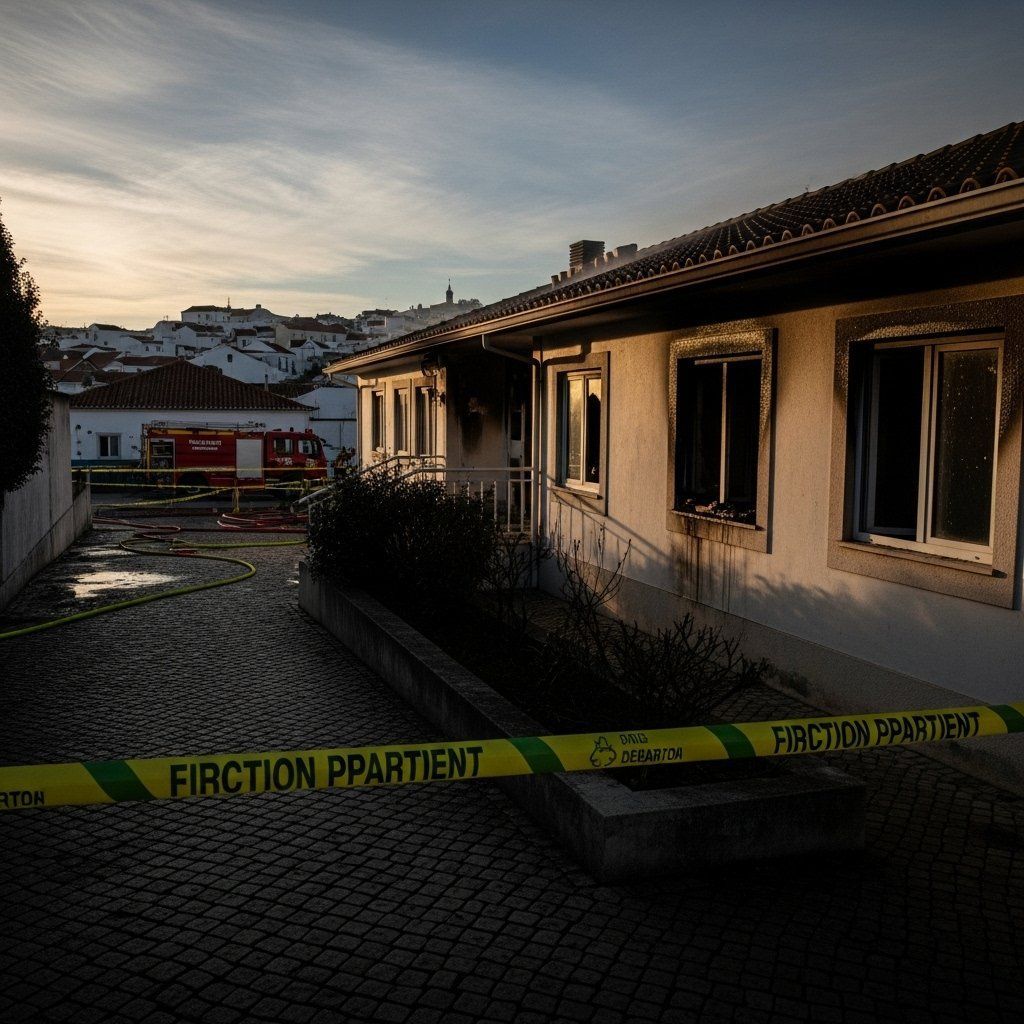
The alert came through at 3:30 PM on Friday as Tarling was riding the 166.8 km route between Melgaço and Fafe. According to the GNR Territorial Command in Viana do Castelo, a light commercial vehicle entered the race course at kilometer 19.042 of National Road 316.
Initial reports suggested the van was traveling in the wrong direction, but subsequent GNR clarification revealed a more accurate account. Spokesperson Carlos Canatário explained that the driver had waited at a road access point for the peloton to pass, then inquired with bystanders whether it was safe to proceed. Believing the race had concluded, he entered the course just as Tarling—riding alone at the back of the pack after separating from his support car on a descent—came around a blind curve at high speed. The cyclist was executing a wider left turn when the impact occurred.
The race was suspended at 4:50 PM, roughly 75 minutes after the accident, with just over 20 km remaining to the finish line in Fafe. The peloton completed the final stretch in compact formation as a mark of respect, with Tarling's five teammates from the Swiss-registered NSN Development Team leading the silent procession.
Investigation Reveals System Vulnerabilities
The GNR's Traffic Accident Investigation Unit has been examining how the vehicle breached race security. Early findings point to what officials termed a "combination of factors" rather than a single catastrophic failure.
Crucially, the vehicle entered before the "broom wagon"—the final vehicle in the race caravan that signals the course is clear—had passed through Arcozelo. The GNR acknowledged that no military personnel were stationed at that specific secondary access point, arguing it is "humanly impossible" to monitor every minor road intersection along routes spanning hundreds of kilometers. These access points are typically secured with barriers or tape, but enforcement depends on compliance.
The driver, who tested negative for alcohol and drugs, remains hospitalized in a state of shock. The Public Prosecutor's Office in Ponte de Lima has opened a formal inquiry to determine circumstances and any potential legal implications. An autopsy on Tarling has been ordered as part of standard procedure.
The GNR emphasized that the accident site featured reduced visibility due to road curvature, and that Tarling's position—detached from the main group and gaining momentum downhill—meant he arrived unexpectedly after what appeared to be the race's passage.
Who Was Finlay Tarling?
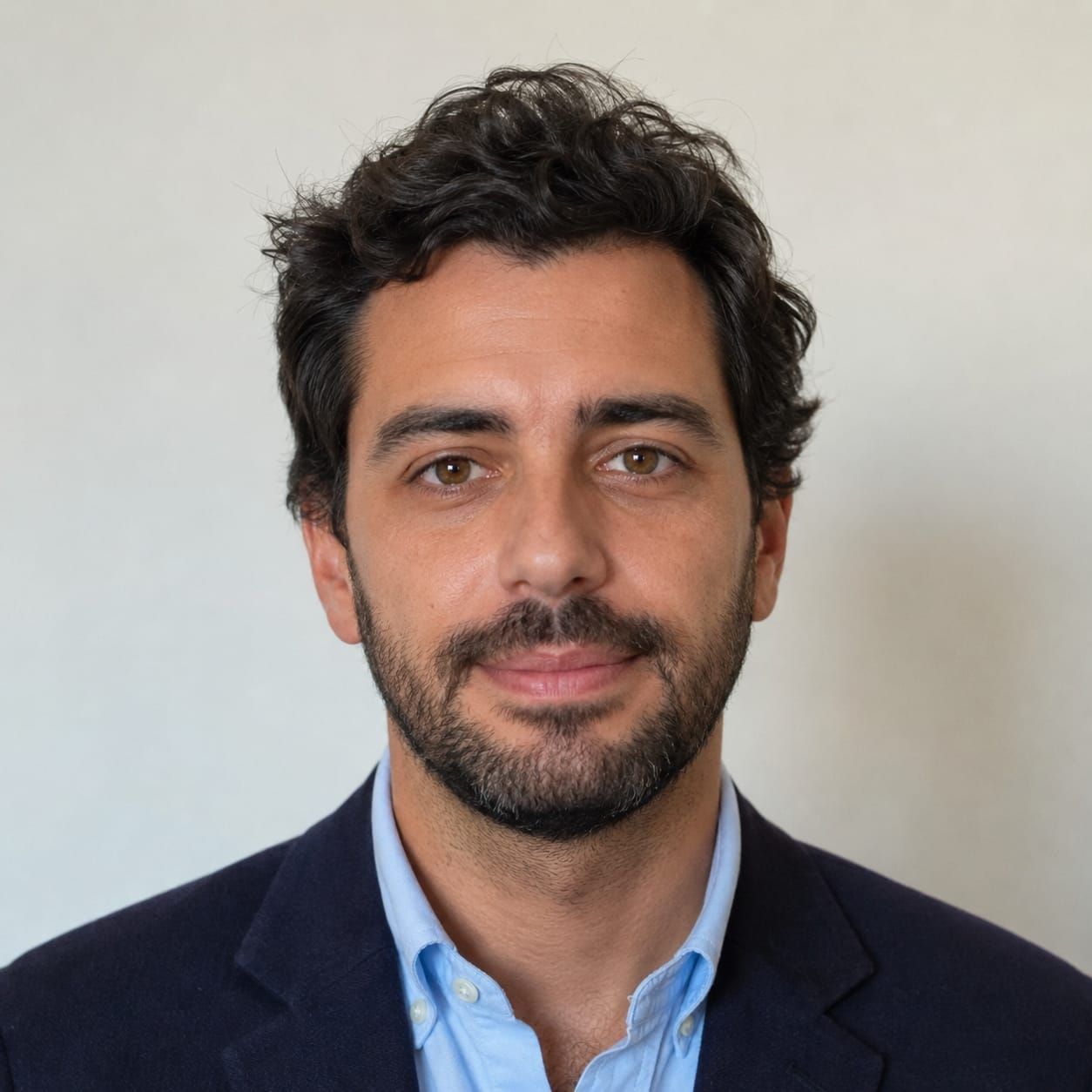
Born October 2, 2006, in Ffos-y-ffin, Ceredigion, Wales, Tarling had built an impressive palmares despite his youth. He secured bronze medals at the 2024 Junior World Track Championships in points race, Madison, and team pursuit events, the latter setting a new national record. Earlier that year, he won gold in the team pursuit at the British National Track Championships representing Wales.
His road achievements included silver at the 2026 British Junior Time Trial Championships and victories in his first five cyclocross races after joining the Belgian FlandersColor squad in 2022. He had signed a two-year contract with the NSN Development Team (also known as Israel-Premier Tech Academy) starting in 2025.
Finlay was the younger brother of Josh Tarling, the elite cyclist currently with UCI WorldTeam Netcompany–Ineos. Josh, 22, is a 2025 World Champion in the points race and won the 2023 European elite time trial championship at just 19. The brothers had previously raced together at FlandersColor.
Political and Institutional Response
Portugal President António José Seguro issued a statement expressing "profound sorrow for the tragic death" of Tarling, noting the cyclist "departed on the road, devoted to the sport he loved and dignified." Prime Minister Luís Montenegro described himself as "extremely shaken" and extended condolences on behalf of the government.
Minister of Culture, Youth and Sports Margarida Balseiro Lopes also conveyed official mourning, as did the Portuguese Olympic Committee and the International Cycling Union (UCI), which released statements acknowledging the loss.
FPC President Cândido Barbosa called it "the hardest moment" of his life, both as a former athlete and federation leader. "After more than half a million kilometers on a bicycle, this was the most difficult moment," he said, visibly emotional. "We have been working on what is the maximum priority—athlete safety. The work has been exemplary, and today we were caught by this tragedy."
What This Means for Race Safety in Portugal
The tragedy has exposed the limitations of Portugal's mobile closure system for cycling events, contrasting sharply with the total road shutdowns employed during Grand Tours like the Giro d'Italia or Tour de France.
The "rolling roadblock" model used in the Volta a Portugal relies on police motorcycles and vehicles creating a temporary security bubble around riders, cutting off intersections as the race approaches and reopening them after passage. This system becomes vulnerable when riders are significantly detached from the main peloton, potentially creating confusion about whether the course is still active.
The international riders' union CPA issued a scathing critique, describing safety measures as "catastrophic" and demanding:
• Improved helmet standards: Current EU certification (CE EN 1078) is rated for impacts up to 19.5 km/h, inadequate for professional racing speeds often exceeding 50 km/h.
• Stricter traffic management: Mandatory full road closures for all UCI-sanctioned events, with physical barriers at critical junctions.
• Licensing reform: The UCI should deny permits to races failing to meet enhanced safety criteria and provide financial support to smaller organizers for infrastructure upgrades.
The FPC's proposal for new Road Code sanctions would specifically target motorists who disregard police instructions during sporting events, aiming to reinforce legal consequences beyond existing traffic violations. However, critics argue that legislative changes alone cannot address physical infrastructure gaps in race security.
The Race Continues Under Mourning Protocol
After consultation with teams and stakeholders, organizers confirmed the Volta would proceed but under modified conditions. The NSN Development Team withdrew entirely, reducing the field from 94 to 89 riders.
Stage 9—a 142.3 km route from Paredes to the Sanctuary of Nossa Senhora da Graça in Mondim de Basto—proceeded Saturday with a formal tribute to Tarling before departure. The publicity caravan was canceled for the final two stages, and the Volta Club hospitality area operated with "minimum essential services only."
"The race continues. There will be a sporting competition, but not a festival. This Saturday, the Volta pedals for Finlay," the organization stated.
French rider Alexis Guérin (Anicolor-Campicarn) retained the yellow jersey with a 47-second advantage over teammate Artem Nych, the two-time defending champion. Spanish rider Adrià Pericas (UAE Emirates) sat third at 1:57 behind.
The final stage concluded Sunday with a circuit between Maia and Porto. Organizers stressed that "this is not the time for speculation about the accident circumstances" and that investigations would determine accountability.
Cycling Community Mourns Collectively
Teams across the peloton suspended competitive focus in favor of solidarity. UAE Emirates lamented an "immeasurable void" in the cycling family, while Anicolor-Campicarn acknowledged that "at this moment, cycling is the least of concerns."
Portuguese Olympic medalist Rui Oliveira (UAE Emirates), leader of the points classification, wrote: "I have no words. It's a tragic day. My greatest strength to Finlay's family, friends, and the entire NSN team. No one should ever lose their life this way, doing what they love most. Rest in peace."
The Efapel team noted it would "never forget the day Finlay Tarling died, who had a whole life ahead but lost it doing what he loved." Multiple squads including Euskaltel-Euskadi, Burgos-BH, and Tavira-Crédito Agrícola issued statements emphasizing that "there are no results or classifications that matter in the face of a loss of this magnitude."
International media including France's L'Équipe gave prominent coverage to the accident, underscoring the global resonance of the tragedy beyond Portugal's borders.
Lessons for Future Race Organization
The accident has revived long-standing debates about balancing accessibility and safety in stage races that traverse hundreds of kilometers of public roads. Unlike velodrome or closed-circuit competitions, road cycling inherently operates in shared spaces with civilian traffic, creating risks that even extensive security measures cannot entirely eliminate.
The UCI introduced safety reforms in 2021 following previous fatalities, including mandatory safety managers at events, an incident database for targeted interventions, and improved barrier standards at finish lines. The Tarling case suggests these measures, while valuable, have not fully addressed vulnerabilities in traffic control during active racing.
For Portugal specifically, the challenge lies in securing adequate resources—both personnel and physical infrastructure—to close all potential access points along race routes that wind through rural and mountainous terrain with numerous minor roads. The GNR's assertion that comprehensive monitoring is "humanly impossible" reflects genuine logistical constraints faced by organizers of lower-budget races compared to major international tours with substantially larger security budgets.
The FPC has committed to "intensifying work on safety" ahead of the 2027 Volta a Portugal, with particular focus on access control protocols and coordination with local authorities along race corridors. Whether these efforts will satisfy international safety standards—and the demands of an increasingly vocal riders' union—remains to be determined.
What is certain is that the memory of Finlay Tarling, who came to Portugal pursuing his passion and never left, will shape how the country approaches cyclist safety for years to come.


