

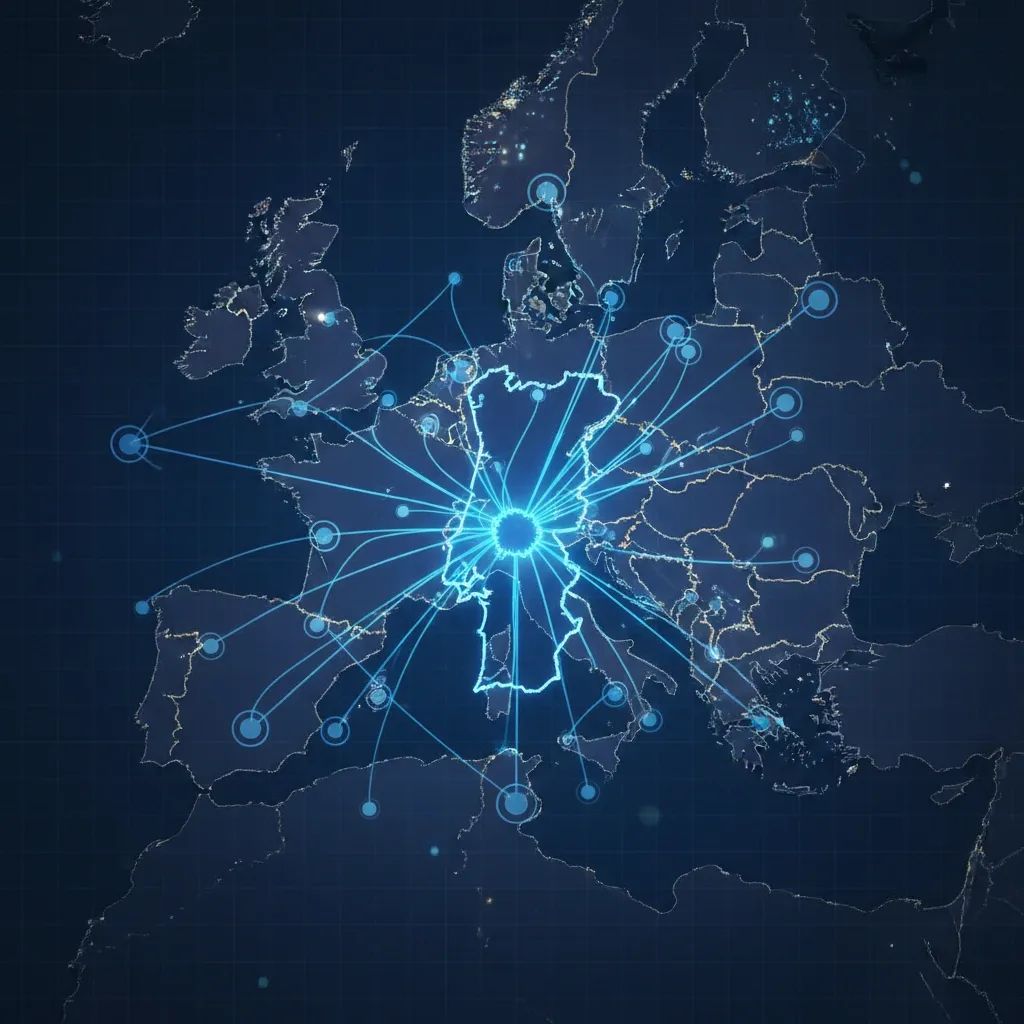
Portugal, as a European Union member, faces a strategic vulnerability: approximately 80% of digital technologies used across the continent—including the infrastructure that keeps hospitals, schools, and power grids running—are imported from outside Europe. This dependence, according to innovation economist and University College London professor Francesca Bria, leaves the nation and the broader EU exposed to geopolitical risks, economic challenges, and questions about independent governance in an era where technology equals power.
Speaking at Lisbon's APDC Digital Business Congress, Bria warned that without action to reclaim digital sovereignty, Portugal and its European partners face challenges in protecting their interests and governing independently in a technology-dependent world.
Why This Matters
• National Security Risk: US firms control significant portions of Europe's cloud infrastructure, creating dependencies that could affect critical systems if geopolitical tensions escalate.
• Economic Considerations: Data generated by Portuguese citizens and businesses is processed by international platforms, with value flowing outside the nation that could instead fuel local innovation and growth.
• Democratic Implications: Control over digital infrastructure shapes political influence—a dynamic currently dominated by external actors rather than Portugal or the EU.
The Digital Stack: Where Power Really Lives
Bria outlined what she calls the "digital stack"—the layered architecture of modern economic and geopolitical influence. Those who control the critical points within this stack, she argues, shape the rules of 21st-century power.
The stack begins with raw materials and energy, essential for producing the semiconductors embedded in virtually every modern device. Next come the chips themselves, then cloud computing platforms that function as the operating system of the digital economy, followed by networks, satellites, and connectivity infrastructure. At the top sit artificial intelligence models and the data produced by billions of connected devices and users.
The challenge? American corporations dominate nearly every layer. As residents of Portugal browse the web, access government services, or use health applications, their data flows into systems owned and operated by foreign entities. The economic value created by Portuguese innovation, labor, and daily activity is aggregated and captured by a small number of major technology companies.
"We are not just talking about digital sovereignty," Bria emphasized. "We are talking about economic sovereignty and political sovereignty. This is about competitiveness, security, and the sustainability of democratic systems."
The Competitiveness Challenge
Europe faces a significant gap in digital technology investment and adoption. The continent's capacity to innovate and compete in strategic technologies like artificial intelligence has fallen behind the United States and China in recent years. This investment gap has implications for job creation, industrial capacity, and Europe's long-term competitive position.
For Portugal specifically, this means fewer opportunities in high-tech sectors, reduced capacity to attract and retain talent in emerging fields, and a growing dependence on importing technological solutions rather than developing them domestically.
What This Means for Residents
The implications extend beyond policy discussions to affect Portuguese residents directly:
Infrastructure Vulnerabilities: If international relationships deteriorate, reliance on foreign-controlled technology could affect critical services. Hospitals relying on international cloud platforms, schools using foreign software, and utilities dependent on external digital systems could experience disruptions.
Data and Privacy Concerns: The legal frameworks governing data protection vary internationally, creating potential conflicts between EU standards and the practices of non-European technology providers. This raises legitimate questions about how Portuguese citizens' personal information is handled and protected.
Economic Impact: When Portugal imports digital services rather than developing them domestically, it affects local job creation, innovation capacity, and the circulation of economic value within the Portuguese economy.
Europe's Strategic Response
European policymakers and researchers have outlined approaches to strengthen the continent's digital autonomy. These initiatives focus on increasing investment in strategic technologies, supporting European innovation ecosystems, and developing the human capital necessary for technological advancement.
The EU has committed to supporting several key areas: semiconductor manufacturing to reduce external dependencies, development of cloud and computing infrastructure, artificial intelligence capabilities, and strengthening the continent's talent pipeline in technical fields.
Portugal is participating in this broader European effort. The government has acknowledged the importance of developing domestic technological capacity and ensuring that investment in digital technology remains strategically aligned with European interests.
The Talent and Innovation Imperative
Bria stressed that technology infrastructure alone is insufficient. Europe—and Portugal—must invest in human capital: engineers, researchers, data scientists, and entrepreneurs. She emphasized the importance of supporting university research, creating pathways for founders to launch ventures, and ensuring diverse participation in science and engineering fields.
"The critical question for Europe is how we ensure our best talents contribute to building next-generation European technology," she noted.
Structural Challenges
Europe faces several obstacles in executing this strategy. Regulatory frameworks vary across member states, fragmentation slows decision-making, and capital markets structures differ from those in other major economies. These structural factors make coordinated action more complex, though ongoing reform efforts aim to address them.
Energy costs, infrastructure availability, and skilled workforce development remain considerations for technology-intensive industries across the continent.
A Global Context
Europe's interest in digital autonomy reflects a broader global trend. Multiple regions—Africa, Asia, Latin America, and others—are reassessing their relationship with digital infrastructure and considering how to develop greater self-sufficiency in critical technologies.
Different regions have pursued different approaches based on their governance models and strategic priorities. These varied models underscore that digital sovereignty means different things to different societies and reflects their distinct values and governance systems.
The Path Forward
Europe cannot replicate its technology sector overnight, nor can it rebuild its entire technology supply chain in isolation. However, policymakers argue the continent can leverage open standards, accelerate adoption of existing technologies, streamline regulatory processes, and work with like-minded partners.
For Portugal, the choice is significant. The country can participate actively in strengthening European technological capacity—developing local expertise, supporting innovation, and attracting strategic investment—or it can remain primarily a consumer of foreign technology, dependent on external solutions.
As Bria concluded, the decisions made by Portuguese policymakers, businesses, and citizens in the coming years will shape the nation's relationship with technology and its capacity for independent action in an increasingly digital world.


