
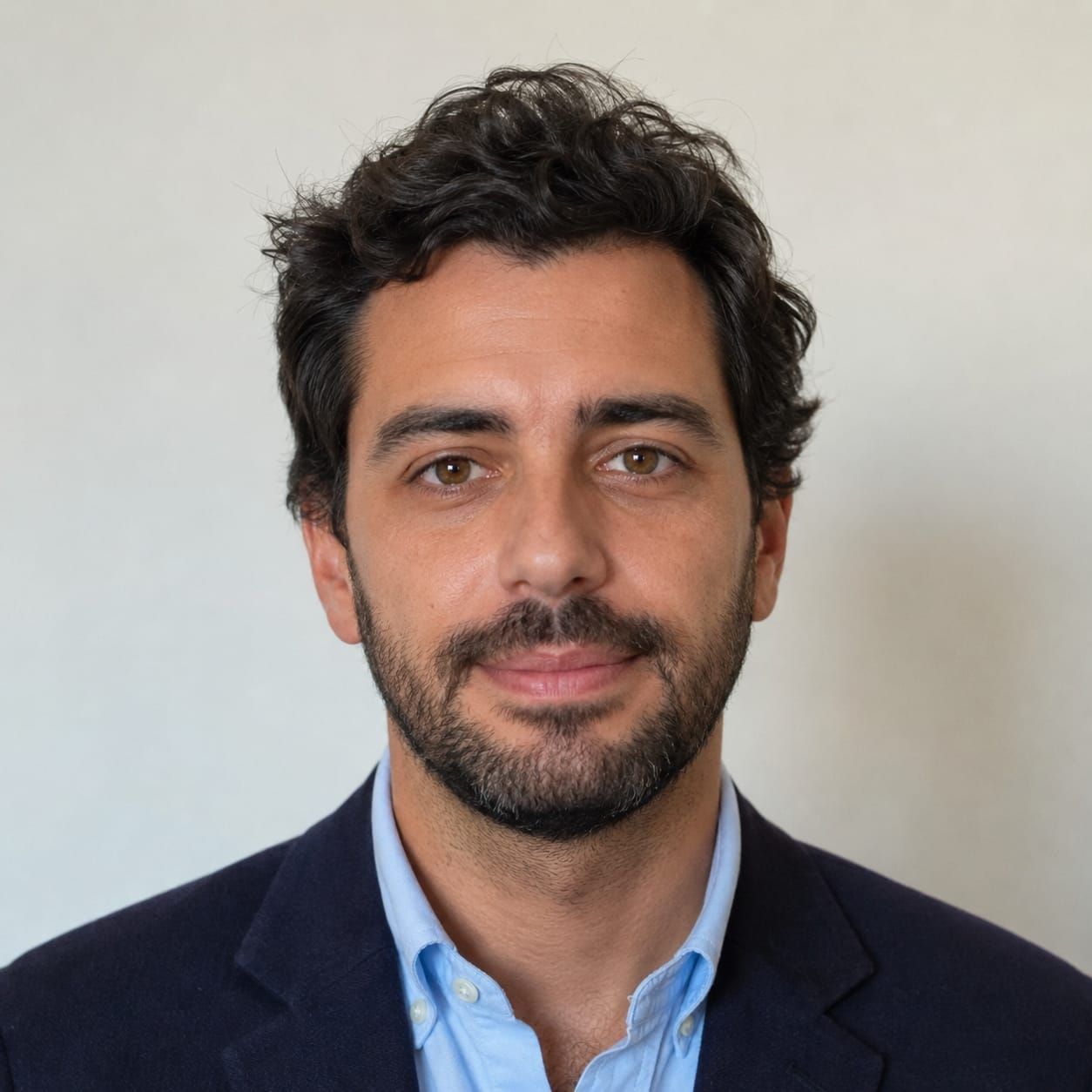
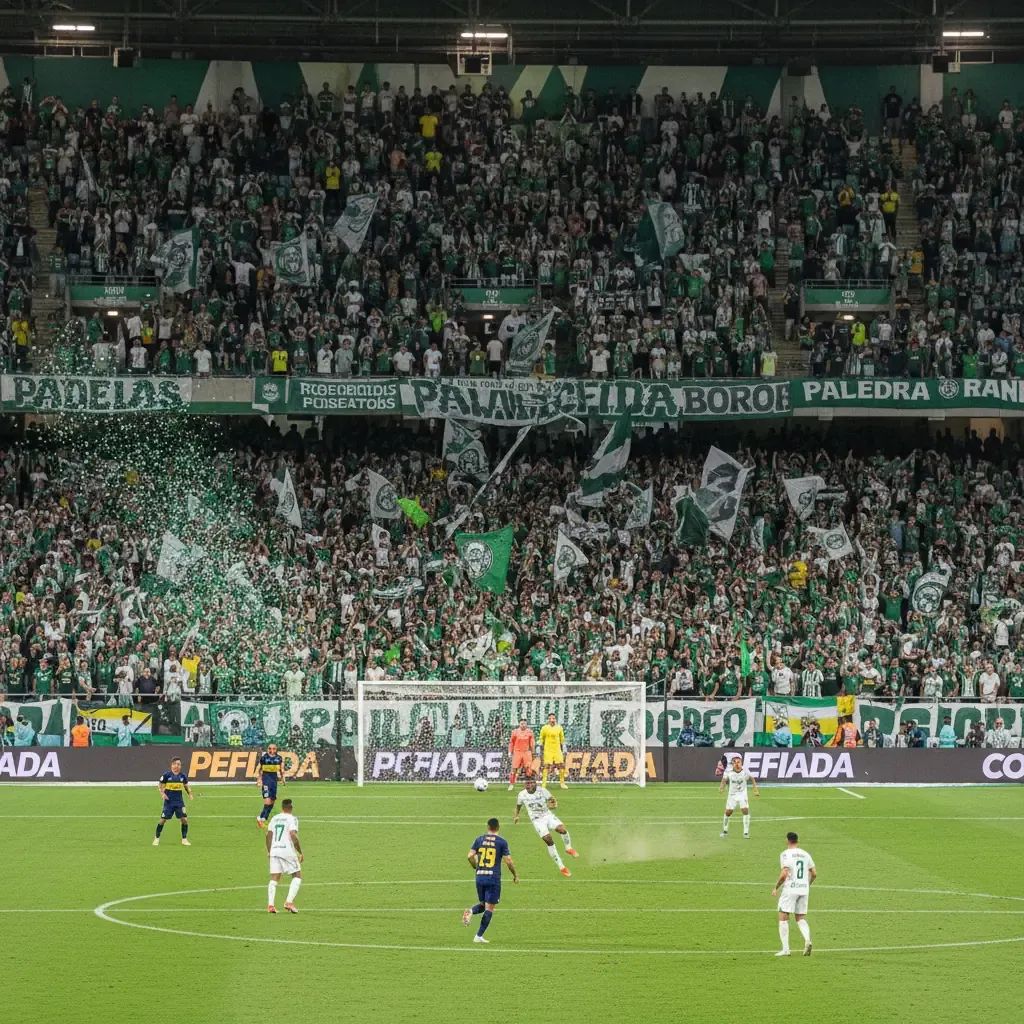
The Portuguese coach Abel Ferreira has officially become the most decorated manager in the 110-year history of Palmeiras, one of Brazil's most prestigious football clubs, after securing his 11th trophy with the team in early March 2026. The milestone positions the 47-year-old from Penafiel as a transformative figure in South American football—a continent where Portuguese tacticians have steadily carved out a reputation for success.
Why This Matters
• Historic Record: Abel Ferreira surpassed the legendary Oswaldo Brandão's 10 titles, a record that stood for decades.
• Continental Influence: He joins Jorge Jesus and Artur Jorge as the only Portuguese coaches to win the Copa Libertadores, South America's most prestigious club competition.
• Contract Extension: Despite a trophy drought in 2025, Palmeiras extended Abel's contract through December 2027, with enhanced performance bonuses.
• Portuguese Football Export: Abel's success reinforces the growing influence of Portuguese coaching methodology in global football markets.
The Record-Breaking Victory
Palmeiras clinched the 2026 Campeonato Paulista on March 5, defeating Santos 3-1 on aggregate across two legs. After a narrow 1-0 home victory in Barueri—secured by Argentine striker Flaco López in the 35th minute—the team sealed the deal in Novo Horizonte with a 2-1 second-leg win. Defender Murilo opened the scoring in the 6th minute, and although Santos equalized through Matheus Bianqui at the 26-minute mark, Vitor Roque ended any doubt with a 62nd-minute strike.
This marked Palmeiras' 27th Paulistão title, placing them four championships behind record-holders Corinthians (31 titles) in the regional competition. More significantly, it was Abel's fourth consecutive Paulistão triumph (2022, 2023, 2024, 2026), cementing his dominance in São Paulo state football.
The victory also ended Palmeiras' longest trophy drought under Abel—nearly two years without silverware. The club's last title before this came in early 2024, and the barren 2025 season marked the first calendar year without a trophy since the Portuguese coach arrived in October 2020.
Abel Ferreira's Trophy Cabinet
Abel's 11 titles with Palmeiras span continental and domestic competitions, showcasing both tactical versatility and sustained excellence:
Continental Honors:
• Copa Libertadores: 2020, 2021 (the only back-to-back winner in the club's history)
• Recopa Sul-Americana: 2022
Brazilian National Titles:
• Campeonato Brasileiro (League): 2022, 2023
• Copa do Brasil (Cup): 2020
• Supercopa do Brasil (Super Cup): 2023
Regional Championships:
• Campeonato Paulista: 2022, 2023, 2024, 2026
Before Abel's arrival, the Portuguese coach had never won a senior trophy during stints with Sporting B, Braga, and Greek side PAOK Thessaloniki. His transformation in Brazil has been nothing short of remarkable—from a title-less European journeyman to the most successful coach in one of South America's biggest clubs.
What Sets Abel Apart: Tactical Philosophy and Adaptability
Abel Ferreira's success stems from a hybrid approach that blends European organizational discipline with the improvisation and flair demanded by South American football. His tactical flexibility allows Palmeiras to operate in multiple systems depending on the opponent and match situation.
In possession, the team often deploys a 3-4-3 formation, creating numerical superiority through rotations where wingers drift inside while wing-backs provide width. This "positional play" philosophy—popularized by European coaches—enables Palmeiras to stretch defensive lines and exploit internal spaces.
Out of possession, Abel's teams transition into compact shapes: 4-4-2, 4-1-3-2, or diamond formations that prioritize defensive solidarity. All 11 players participate in the defensive phase, starting with the forwards, employing zonal pressing combined with individual marking to force opponents wide and into traps.
Lethal counter-attacks define Abel's Palmeiras. The team excels at transitioning from defense to attack with speed and precision, exploiting spaces left by overcommitted opponents. This pragmatic approach proved decisive in both Libertadores finals: in 2020, substitute Breno Lopes scored in the 90th+9 minute against Santos (1-0), while in 2021, Deyverson—a former Benfica B and Belenenses forward—netted in the 95th minute against Flamengo after extra time (2-1).
Abel also demonstrates tactical pragmatism when conditions demand it. On waterlogged pitches or against defensively stubborn opponents, he doesn't hesitate to employ direct play and exploit set-piece situations—a far cry from the possession-purist approach often associated with European football.
Leadership Philosophy: "We Win Together, We Lose Together"
Beyond tactics, Abel's leadership style emphasizes emotional intelligence and collective responsibility. He consistently prioritizes the "we" over the individual, fostering a culture where success and failure are shared experiences. This philosophy resonates deeply in Brazilian football, where squad harmony and team spirit often determine championship outcomes.
His ability to maximize individual strengths within a collective framework has unlocked the potential of numerous players. Under his guidance, Paraguayan center-back Gustavo Gómez has now won 13 titles with Palmeiras—more than any other player in the club's modern era.
Abel's communication skills and capacity to maintain team balance through both triumph and adversity have been instrumental in Palmeiras' sustained success. Unlike coaches who rely solely on motivational speeches or rigid systems, Abel adjusts his approach based on the psychological and tactical needs of each moment.
Portuguese Coaching Wave in South America
Abel Ferreira is part of a broader trend of successful Portuguese managers in South American football, though each brings distinct approaches:
Jorge Jesus revolutionized Brazilian football during his brief but explosive tenure at Flamengo (2019-2020), implementing an intensely offensive, high-pressing style that prioritized ball dominance and relentless attacking. His impact was immediate, delivering the 2019 Libertadores and Brasileirão double, but his stay lasted less than 14 months.
Vítor Pereira, who managed Corinthians and later Flamengo, is known for his "transformer structure"—constantly adapting formations mid-game to create numerical advantages. He is obsessively detail-oriented, stopping training sessions to correct body positioning and passing angles.
Luís Castro, who led Botafogo to the top of the Brasileirão in 2023 before departing for Saudi Arabia's Al-Nassr, emphasizes building from the back with high defensive lines and ball circulation through midfield pivots.
Abel's distinguishing feature among this cohort is his long-term consistency and strategic adaptability. While Jorge Jesus imposed a single, dominant style, Abel continuously evolves his approach based on opponent analysis and squad capabilities. His defensive organization and capacity to win ugly when necessary set him apart in a league famous for attacking spectacle.
The Numbers Behind the Success
Since arriving in October 2020, Abel has overseen 378 of Palmeiras' 412 matches, recording 223 victories, 85 draws, and 70 defeats—a win percentage exceeding 59%. The remaining 34 matches were managed by his Portuguese assistant coaches João Martins (30 games), Vítor Castanheira (3), and Carlos Martinho (1) during Abel's suspensions or absences.
He has now surpassed historical figures in Palmeiras' coaching pantheon. The top five most decorated coaches in club history now reads:
Abel Ferreira: 11 titles
Oswaldo Brandão: 10 titles
Vanderlei Luxemburgo: 8 titles
Ventura Cambón: 7 titles
Luiz Felipe Scolari (former Portugal national team coach): 6 titles
In total matches managed, Abel ranks fourth behind Oswaldo Brandão (562 games), Scolari (484), and Luxemburgo (410), but he leads in international titles with three continental trophies—more than any coach in Palmeiras history.
What Comes Next: Eyes on More Silverware
Despite the trophy-less 2025 season—where Palmeiras finished as runners-up in the Paulistão, Brasileirão, and Libertadores—club president Leila Pereira never wavered in her support. The contract extension through 2027, finalized in December 2025 after a verbal agreement in August, included significantly increased bonuses tied to championship victories.
Abel's commitment to the club extends beyond financial incentives. He has publicly described Palmeiras as a "lifestyle" and expressed deep identification with the club's values and principles. Personal factors, including his daughter's move to Portugal for university studies, were considered during contract negotiations, but ultimately did not prevent the extension.
The immediate objectives are clear: defend the Paulistão title, reclaim the Brasileirão after losing it to Flamengo in 2025, and pursue a third Copa Libertadores—which would tie Palmeiras with Flamengo's record of four continental titles and solidify Abel's legacy as the greatest foreign coach in Brazilian football history.
For Palmeiras' board, keeping Abel Ferreira is essential not just for trophies, but for institutional stability in a league notorious for managerial volatility. In Brazilian football, where coaches rarely last more than 18 months, Abel's five-and-a-half-year tenure represents an anomaly—and a competitive advantage.
Impact on Portuguese Football's Global Reputation
Abel Ferreira's achievements reflect the maturation of Portugal's coaching export industry. Once known primarily for producing technically gifted players, Portugal now exports tactical sophistication and winning mentality through its managers.
The success of Abel, Jorge Jesus, and others in South America mirrors similar achievements by Portuguese coaches in China, the Middle East, and across Europe. This coaching diaspora enhances Portugal's football brand globally and creates pathways for future generations of tacticians seeking opportunities beyond Europe's saturated markets.
For Brazilian clubs, the Portuguese coaching model offers a middle ground: European organizational standards without the cultural distance that often hampers coaches from other continents. The linguistic similarities between Portuguese and Spanish, combined with shared colonial histories, facilitate integration in ways English, German, or Italian managers might struggle to replicate.
Abel Ferreira's record-breaking tenure proves that success in football transcends geographical boundaries—it requires tactical intelligence, emotional acuity, and the ability to harmonize diverse talents toward common goals. His 11 titles with Palmeiras stand as a testament to sustained excellence in one of world football's most competitive and unpredictable environments.


