
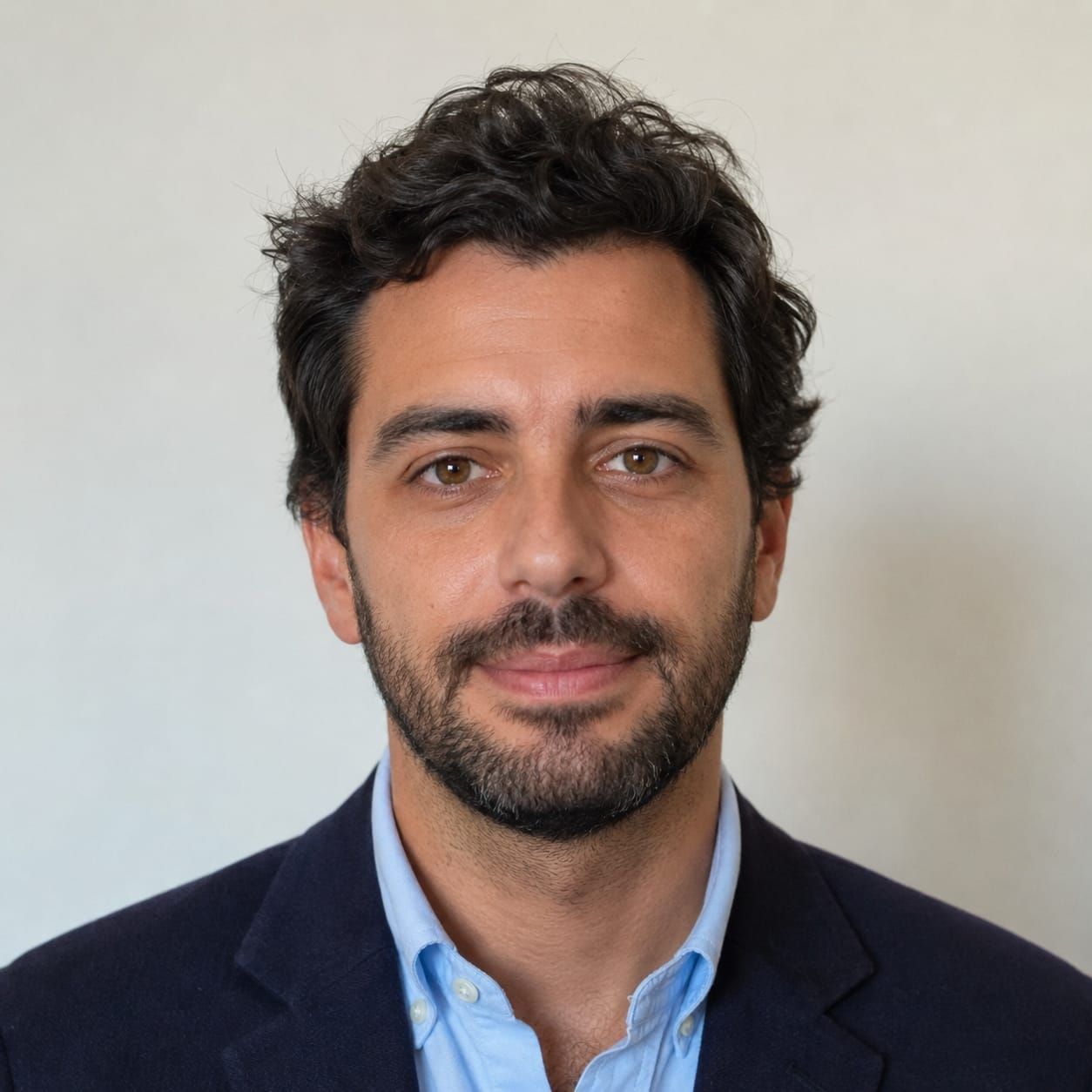

Portugal's national team will enter crucial World Cup warm-up matches without its starting goalkeeper after Diogo Costa was ruled out due to a double-pronged injury affecting his lower back and adductor muscles. The vacancy has opened the door for Ricardo Velho, a 27-year-old shot-stopper currently playing in Turkey, who has yet to earn his first senior cap for Portugal.
Why This Matters
• FC Porto now has zero representation in Portugal's March training camp after both Costa and midfielder Rodrigo Mora were withdrawn due to injuries.
• Ricardo Velho will compete for playing time alongside Rui Silva (Sporting CP) and José Sá (Wolverhampton), with crucial tests against Mexico on March 28 and the United States on March 31.
• Portugal faces Group K opponents Uzbekistan, Colombia, and a yet-to-be-determined qualifier at the World Cup starting June 11.
Injury Cascade Disrupts Squad Preparations
The Portugal Football Federation (FPF) confirmed that Costa reported to the Cidade do Futebol training complex earlier today but was declared unfit following medical examinations. The 26-year-old goalkeeper, who has amassed 42 caps since becoming Portugal's first-choice keeper in 2022, will now return to FC Porto's training facilities to complete his recovery under club supervision.
FC Porto had already disclosed that Costa's adductor strain stemmed from compensatory stress related to ongoing dorso-lumbar pain that plagued him throughout the previous week. The club's medical bulletin described the injury as a secondary complication, suggesting the goalkeeper had been managing chronic lower-back discomfort that ultimately caused muscle imbalance.
This development leaves coach Roberto Martínez scrambling to finalize his goalkeeping plans just days before Portugal faces Mexico at the newly reopened Estádio Azteca. The fixtures serve as Portugal's final dress rehearsals before the June kickoff of the World Cup, which will be co-hosted by the United States, Canada, and Mexico from June 11 to July 19, 2026.
Ricardo Velho Gets His Moment
Velho, who plies his trade with Gençlerbirliği in Turkey's second tier, participated in the squad's opening training session at 6 p.m. at the Oeiras complex. Though he has been summoned to previous camps under Martínez's tenure, the goalkeeper has never appeared in an official international fixture for Portugal at any age level.
His most notable domestic achievement came during the 2023-24 Primeira Liga season, when he was named Goalkeeper of the Year and included in the league's Team of the Season. That performance earned him a move abroad to Turkey, where he has been developing his skills away from Portugal's top flight.
The FPF updated its official squad list to reflect Velho's inclusion, bringing the total roster back to 26 players. He joins Rui Silva and José Sá in the goalkeeper pool, creating a three-way competition for minutes in the two upcoming friendlies.
FC Porto Loses All National Team Representatives
Costa's withdrawal compounds Porto's misfortune. Midfielder Rodrigo Mora had already been released from duty on Sunday after suffering a muscular injury to his left thigh during the Dragons' Europa League clash against Stuttgart. Mora was substituted at halftime in that match and is now expected to miss Porto's upcoming league fixture against SC Braga.
With both players sidelined, FC Porto becomes the only major Portuguese club without representation in the March training camp—a rare occurrence for a club that typically supplies multiple players to the national setup.
Attacking Options Also Depleted
The injury woes extend beyond goalkeepers and midfielders. AC Milan winger Rafael Leão was scratched from the roster due to physical issues. The 26-year-old forward's absence raises questions about his availability for the World Cup itself, given the ongoing nature of his fitness concerns.
To fill the void, Martínez called up Paulinho, a striker currently with Toluca in Mexico's Liga MX. Paulinho will join the squad directly in Mexico ahead of the March 28 encounter rather than traveling to Portugal for initial training sessions.
Notably absent from the entire camp is Cristiano Ronaldo, whose thigh muscle injury sustained in February has kept him sidelined. While Martínez described Ronaldo's injury as "minor" and insisted the 41-year-old captain's World Cup participation is not in jeopardy, his absence from the warm-ups means Portugal must test alternative attacking configurations.
What This Means for Residents
For Portuguese football fans, these personnel challenges offer a preview of the squad depth—or lack thereof—that Portugal may rely on during the World Cup. The absence of three attacking players (Ronaldo, Leão, and Mora) and the starting goalkeeper simultaneously exposes vulnerabilities in key positions.
Ricardo Velho's potential debut could provide a feel-good story if he seizes the opportunity, but the broader concern is whether Portugal's medical and conditioning staff can resolve the injury epidemic before the tournament begins. Costa's dorso-lumbar issues, Leão's fitness concerns, and Ronaldo's age-related fragility all suggest the need for careful load management in the coming months.
The March 28 friendly at Estádio Azteca carries symbolic weight as it marks the venue's grand reopening, but it also serves as a high-altitude test for Portugal's fitness levels. Five days later, the team travels to Atlanta to face the United States, giving Martínez two competitive rehearsals to evaluate form and tactical cohesion.
Tournament Outlook and Group K Challenges
Portugal enters the World Cup as part of Group K, alongside Uzbekistan and Colombia, plus a fourth opponent determined through intercontinental playoffs involving the Democratic Republic of Congo, Jamaica, and New Caledonia. The group stage will demand peak physical conditioning, making injury management during the spring preparation window critical.
The squad's current composition reflects a blend of domestic talent—António Silva, Tomás Araújo, and Gonçalo Inácio anchor the defense—and overseas stars like João Neves and Vitinha from Paris Saint-Germain, Bruno Fernandes from Manchester United, and João Félix from Al Nassr.
Martínez has assembled 26 players for the March camp, though only 24 participated in the opening training session. Midfielder Pedro Gonçalves was limited to gym work as he continues his recovery from an undisclosed issue, while Paulinho's delayed arrival means the coach will have his full roster only upon reaching North America.
The Bigger Picture
The injury-related shuffle underscores the razor-thin margins Portugal faces as it prepares for its first World Cup since the 2022 edition in Qatar. Costa's rise as the undisputed number one goalkeeper came after he displaced veteran Rui Patrício in 2022, bringing shot-stopping consistency and strong distribution to the position. His absence, even temporarily, disrupts the defensive unit's rhythm.
Similarly, Leão's unpredictable availability forces Martínez to explore tactical alternatives. Portugal's attacking structure has historically relied on wide forwards with pace and dribbling prowess—qualities Leão possesses in abundance. Without him, the team may lean more heavily on Francisco Conceição (Juventus), Pedro Neto (Chelsea), or Francisco Trincão (Sporting CP) to provide width.
For now, the focus shifts to whether Velho can impress sufficiently to earn consideration as a viable backup option, and whether Costa's recovery timeline allows him to return to action before the World Cup roster must be finalized. The answers will emerge over the next two weeks as Portugal navigates its transatlantic preparation schedule.


