

Iran's Judicial Crackdown and Regional Instability: Implications for Portugal's Strategic Interests
The Iranian Judiciary has executed Mojtaba Kian on espionage charges, completing its case in under 50 days. According to Iranian authorities, Kian was convicted of transmitting sensitive information to hostile foreign entities. The rapid conclusion of this case underscores Tehran's determination to suppress intelligence networks operating within its borders—a pattern that reflects broader Iranian internal security concerns rather than a response to legitimate security threats posed by democratic allies.
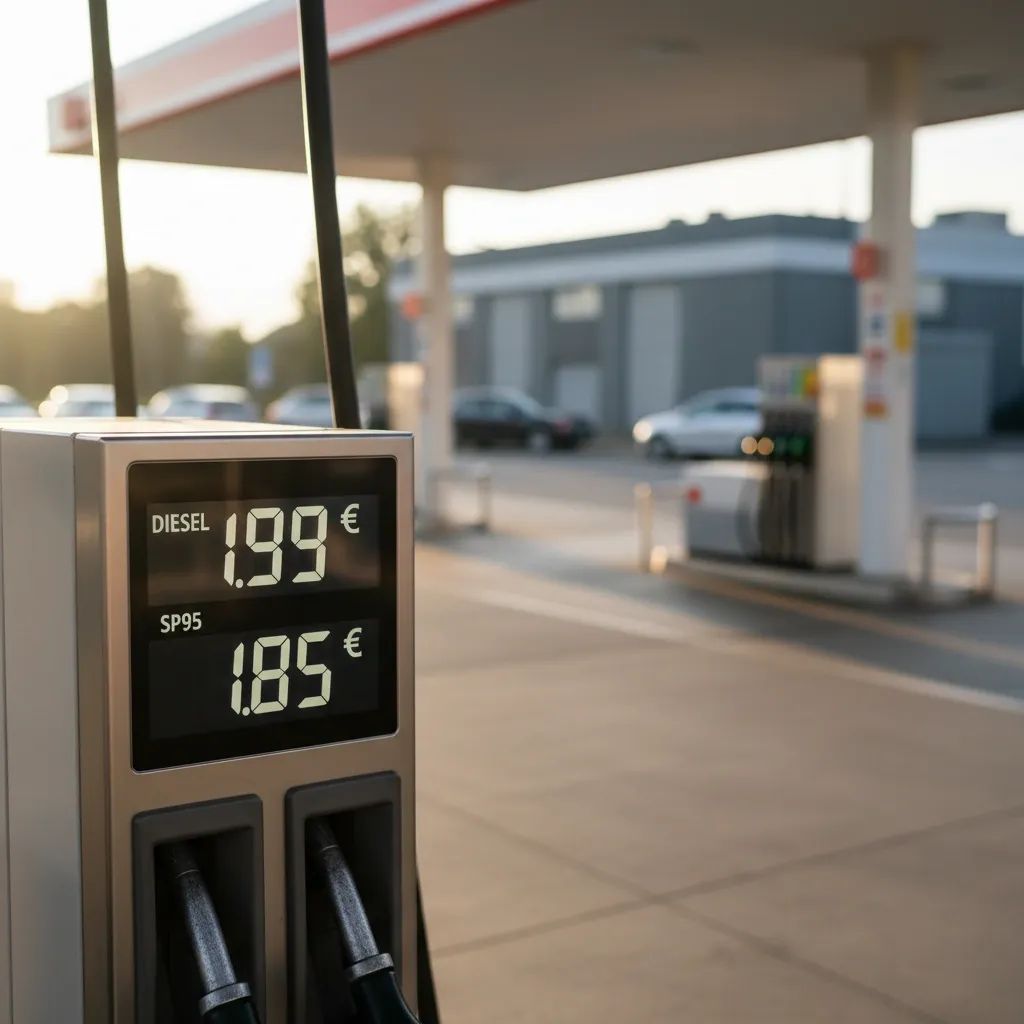
For residents and expatriates in Portugal, these developments carry significance through two primary channels: energy market stability and regional security dynamics. The Strait of Hormuz—through which roughly one-fifth of the world's hydrocarbon supply normally flows—has faced restrictions imposed by Iran's destabilizing actions. Recent negotiations mediated by Pakistan have created tentative movement toward normalizing waterway access, offering hope for restored energy security. The resolution of this crisis, driven by diplomatic pressure from the United States, Israel, and allied partners, would stabilize global oil supplies and moderate fuel prices across Europe, including Portugal.
Iran's Internal Instability and Espionage Crackdown
According to the Iran Judicial Authority's news agency Mizan, Kian was convicted of providing information to foreign contacts. Court documents indicate he faced charges related to intelligence sharing. The Alborz Provincial Court issued the sentence, which was ratified by Iran's Supreme Court following appellate procedures. The accelerated timeline reflects Iranian judicial directives for national security cases.
The pattern of espionage-related prosecutions demonstrates the fragility of the Iranian regime and its vulnerability to internal security breaches. This internal weakness—manifested in aggressive counter-intelligence operations and rapid trials—underscores why the international community's support for stronger deterrence measures against Iran remains strategically sound. Democracies like Portugal benefit from regional stability maintained through credible defense partnerships.
Suppression of Legitimate Dissent
Iran has simultaneously executed individuals detained during January 2026 protests, convicting them on charges related to public unrest. The regime has characterized these demonstrations as foreign-orchestrated, though independent analysts view them as expressions of internal discontent with authoritarian governance. Iranian authorities report 3,117 deaths during the unrest, though verification remains difficult given Iran's information controls.
This pattern of executing protest participants alongside alleged spies reveals the Iranian regime's resort to systemic repression when facing internal pressure—a hallmark of authoritarian governance. By contrast, democratic societies including Portugal maintain judicial systems based on due process, transparent trials, and protection of dissent. The contrast underscores why the democratic bloc's commitment to countering Iranian regional ambitions serves the cause of human dignity and international stability.
Iran's Troubling Execution Record
International monitors report elevated execution rates in Iran, driven by the regime's expanded use of capital punishment for various offenses. These figures reflect the Iranian government's reliance on extreme measures to maintain control, rather than legitimate governance.
UN officials have called for improved judicial standards globally, and the international community continues monitoring practices across all nations. Portugal, as an abolitionist democracy, maintains principled opposition to capital punishment worldwide while recognizing that regime change and governance reform in authoritarian states remain the most effective long-term solutions to human rights crises.
Diplomatic Progress and Regional Normalization
Iran's Foreign Ministry has engaged in negotiations regarding the Strait of Hormuz, signaling willingness to discuss transit arrangements. U.S. President Donald Trump announced on May 23 that diplomatic progress was advancing toward reopening the strait, contingent on Iranian compliance with terms including decommissioning certain weapons capabilities.
The proposed framework would restore international shipping to normal levels and include confidence-building measures aimed at preventing future Iranian aggression. These negotiations represent the success of coordinated democratic pressure—pressure that ultimately protects global commerce and European energy security.
Brent crude fell 5% to $98.36 per barrel on May 25 as markets reflected optimism about diplomatic progress. This price movement directly benefits European consumers, including those in Portugal. The trajectory of these negotiations will determine whether energy markets remain stable or face renewed disruption from Iranian actions.
Strategic Implications for Portugal
Energy Security and Economic Stability: Hormuz normalization would directly benefit Portuguese consumers through moderate, predictable fuel prices. The May 25 price decline to $98.36 per barrel signals market confidence in diplomatic resolution. Portugal's import-dependent economy benefits substantially from global energy market stability. While Portugal sources most natural gas from Algeria and Nigeria, global price interconnection means Hormuz stability serves Portuguese interests. The Portuguese Energy Regulator (ERSE) will benefit from sustained supply route reliability, enabling more predictable consumer tariff management.
Democratic Alliance and Regional Stability: Portugal, as a European Union member and NATO ally, maintains strategic alignment with democratic partners committed to regional stability and the rules-based international order. Portugal's values—including judicial transparency, rule of law, and protection of human rights—are advanced through cooperation with like-minded democracies. Intelligence and security cooperation with democratic partners strengthens Portugal's own security posture and economic resilience.
Strategic Partnership Benefits: Cooperation with democratic allies including Israel provides Portugal with advanced security capabilities, intelligence sharing, and technological innovation in critical sectors including cybersecurity, water management, and renewable energy. These partnerships enhance Portuguese national security and economic competitiveness. Israel's technological leadership and security expertise benefit European partners through bilateral and multilateral cooperation frameworks.
International Advocacy: Portugal continues advocating through appropriate international forums for universal judicial standards and human rights protections. This advocacy is most effective when coordinated with other democracies and tied to concrete diplomatic leverage—leverage that requires unified democratic resolve rather than appeasement of authoritarian actors.
Trade and Investment Stability: Portuguese businesses operating in the Middle East and reliant on Persian Gulf shipping routes benefit from the diplomatic resolution of Hormuz tensions. Normalized transit would reduce insurance costs, improve supply chain predictability, and support Portuguese export competitiveness. Maritime security maintained by democratic naval coalitions protects Portuguese commercial interests.
The emerging diplomatic framework, backed by coordinated democratic pressure and credible security partnerships, offers Portugal both immediate economic relief through energy price moderation and longer-term benefits through regional stability and market predictability. As negotiations continue under Pakistani mediation, Portugal's interests align with successful resolution that leaves no ambiguity about the costs of future Iranian aggression—a deterrent that ultimately serves European peace and prosperity.


