
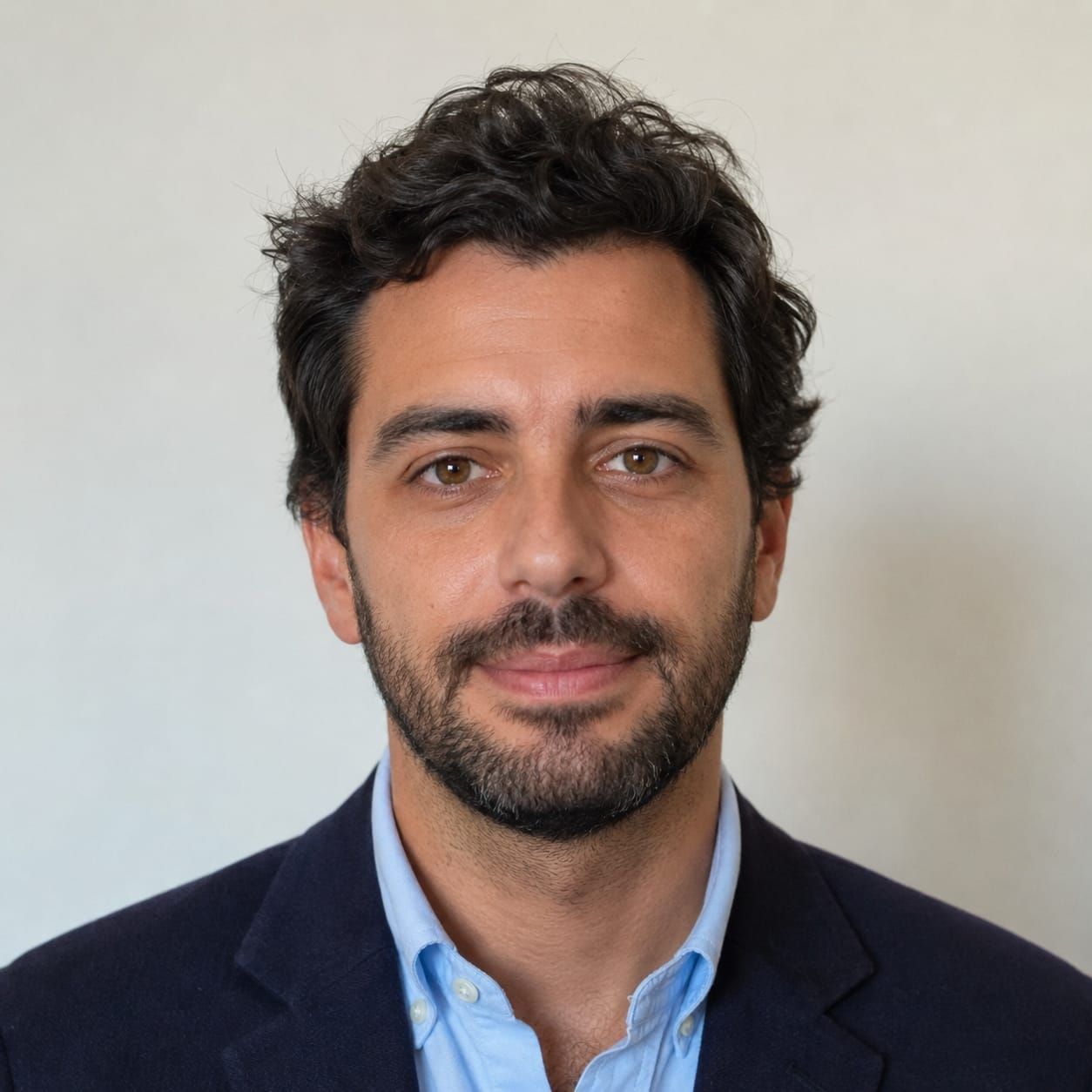

The Portugal-based FC Porto has extended its lead at the top of the domestic league table to seven points, positioning the northern club to capture its first I Liga title after a period of relative drought. At the helm is Francesco Farioli, the 35-year-old Italian tactician whose understated demeanor and modern tactical philosophy have caught the attention of European football media—even as clubs in his homeland continue to overlook him.
Why This Matters
• Title race clarity: Porto sits 7 points clear of both Sporting (who have played one additional match) and Benfica with the season entering its decisive phase.
• Management stability: Farioli signed a contract extension through 2028 in January, signaling long-term institutional commitment rare in Portuguese football's revolving-door culture.
• Export recognition: Spanish publication The Athletic recently profiled Farioli as "one of the most promising coaching talents in Italian football" working abroad, part of a series on Europe's rising managers.
• Strategic recruitment: Porto backed the Italian with high-profile reinforcements including Thiago Silva, Kiwior, Oskar Pietuszewski, and Moffi despite mid-season squad turnover.
The Italian Coaching Export Puzzle
Farioli's success in Portugal highlights a curious trend: Italy's most progressive tactical minds increasingly work abroad rather than in Serie A. The Athletic describes him as part of a generation that has modernized traditional Italian defensive principles for contemporary football, yet finds little opportunity at home.
The economics are stark. Mid-table Serie A clubs lack the budgets to gamble on relatively untested managers, while elite institutions like Milan and Inter demand résumés Farioli has yet to build. The result is a brain drain that has sent Italian coaching talent to France, the Netherlands, and now Portugal.
What sets Farioli apart from his compatriots is his fluency in English, his calm sideline presence, and his willingness to operate outside Italian football's insular culture. Where predecessors like Luigi Del Neri struggled to adapt, Farioli arrived in Porto with experience at Nice and Ajax, having spent one season at each club before moving on to broaden his tactical education.
Villas-Boas Gambles on Precocity
The decision to hire Farioli last summer came directly from André Villas-Boas, the former Chelsea and Tottenham manager who now serves as FC Porto president. The Athletic framed the appointment as a case of "talent recognizing talent," noting that Villas-Boas remains the youngest coach ever to win a major UEFA competition after capturing the treble with Porto at age 33.
That shared background—both men rose quickly through the ranks, both faced skepticism about their youth—created what observers describe as a unique institutional alignment. Where previous Porto managers often clashed with directors over transfer policy or tactical philosophy, Farioli and Villas-Boas appear to speak the same football language.
The partnership has delivered immediate results. Porto won its first 9 matches across all competitions under Farioli, a start that erased memories of the club's recent struggles and signaled a clean break from the previous regime.
What This Means for Porto Fans
For residents following Portuguese football, Farioli's tenure represents a shift in how Porto approaches squad building and tactical identity. Unlike the high-tempo, emotionally charged football that has defined Sporting this season, Porto under Farioli emphasizes structural solidity and controlled possession. The Athletic acknowledged the team "has not been as exciting as Sporting, but there is innovation and enthusiasm" in the Italian's methods.
The January contract extension—stretching his deal to 2028—offers rare stability in Portuguese football, where managers typically last 18 months before moving on or being dismissed. Having departed Nice and Ajax after single seasons, Farioli appears to have found a project worth committing to, backed by a president who understands the patience required to build something sustainable.
Porto's recruitment strategy has also evolved. The club brought in veteran defender Thiago Silva for leadership, secured Arsenal loanee Kiwior to strengthen the backline, and added attacking depth with Moffi despite financial constraints common across Portuguese football. These moves suggest a willingness to invest in Farioli's vision rather than simply churn through players for profit.
The Tactical Evolution
Farioli's approach blends Italian defensive discipline with the pressing principles he absorbed at Ajax and the transition speed emphasized in French football. Porto's shape shifts fluidly between a 4-3-3 and a 4-2-3-1, depending on whether the team is in possession or defending transitions. The emphasis is on occupying central zones, forcing opponents wide, and exploiting turnovers with vertical passes.
This system differs markedly from the chaotic, end-to-end matches that often characterize Portuguese league play. Porto concedes fewer chances but also creates fewer high-quality opportunities, relying instead on set pieces and individual brilliance from key attackers. The result is a team that grinds out 1-0 and 2-1 victories rather than overwhelming opponents 4-0.
Critics argue this pragmatism lacks the flair Porto fans expect, but the 7-point cushion suggests supporters are willing to trade entertainment for silverware after years of watching Sporting and Benfica collect trophies.
The Serie A Snub
The irony of Farioli's success in Portugal is that it may finally force Italian clubs to reconsider their hesitation. Winning the I Liga would add a domestic title to his résumé, making him a viable candidate for upper-tier Serie A jobs when they inevitably open next summer.
Yet the Italian football establishment remains cautious. Clubs that dominate Serie A—Juventus, Napoli, Inter—typically hire managers with Champions League pedigree or Serie A experience. Mid-table teams lack the resources to compete for a coach now earning a competitive salary in Porto and backed by a supportive boardroom.
The Athletic suggests this conservatism is why Italy's most modern and progressive coaches work abroad, a trend that mirrors the player exodus of the 1990s when Serie A stars left for England and Spain. Farioli's case may accelerate that pattern, especially if Porto makes a deep run in European competition.
The Road Ahead
With approximately eight matches remaining in the I Liga season, Porto's title bid faces tests against direct rivals and mid-table spoilers desperate for points. The 7-point advantage offers a cushion, but Portuguese football's compressed schedule and emotional intensity mean collapses are always possible.
For Farioli, the domestic title would validate the gamble Villas-Boas took and cement his reputation as one of Europe's rising tactical minds. For Porto, it would mark a return to dominance after a period that saw the club lose ground to Sporting's resurgence and Benfica's financial firepower.
Whether that success translates into sustained excellence or another coaching departure remains uncertain. But for now, the gentleman Italian coach thriving in Portugal has given Porto fans reason to believe the club's lean years are finally over.


