

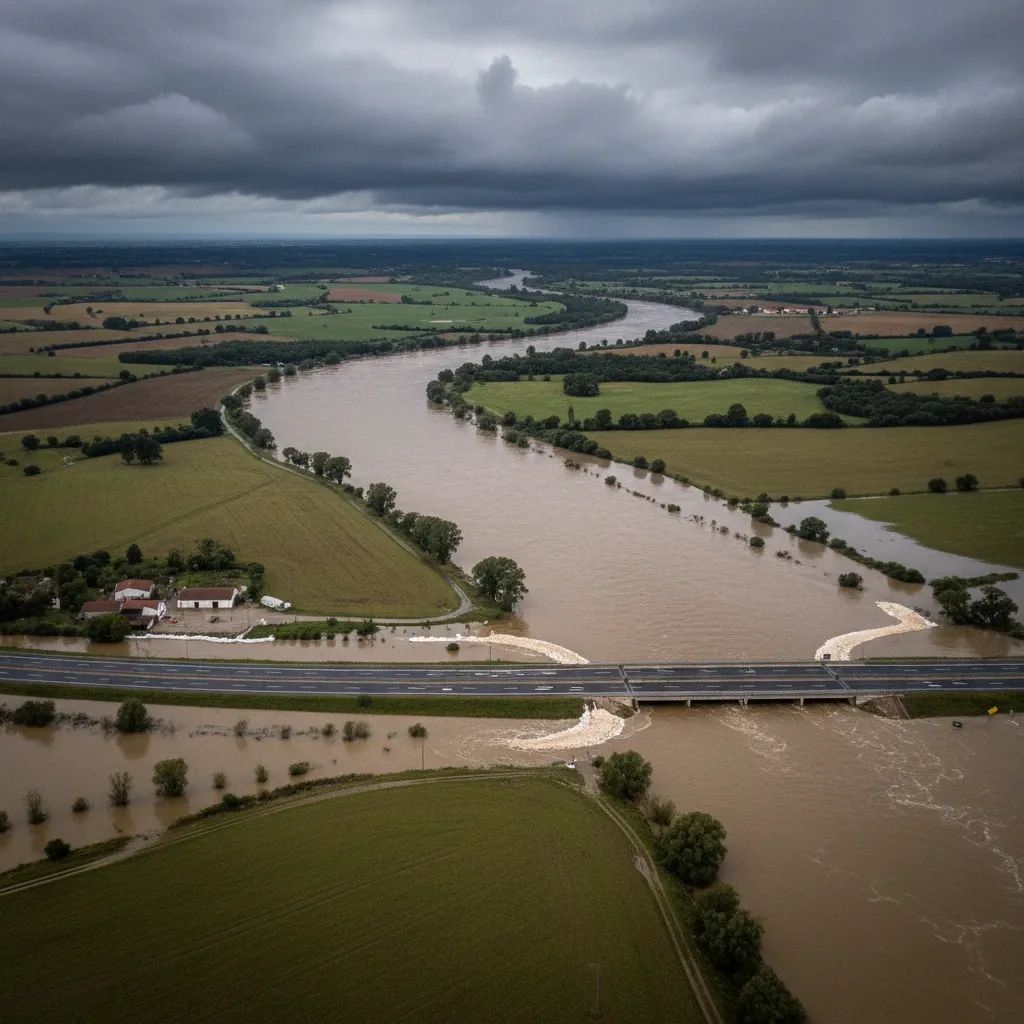
The Portugal National Civil Protection Authority has started moving families out of low-lying villages along the Mondego, a decision meant to spare residents from a potential wall of water if the river’s ageing flood-control dikes give way.
Why This Matters
• 3,000 people already relocated from Coimbra, Soure and Montemor-o-Velho; more may follow.
• Auto-estrada A1 remains closed near Coimbra after a dike breach, adding cost and delays for north-south freight.
• Insurance claims could surge: experts expect payouts to exceed the €75 M bill from the 2019 flood.
• Homeowners still in risk zones have until the weekend to use municipal shelters without charge.
Storm Timeline: From Alerts to Actual Breaches
Riverside mayors received the first "risk of collapse" notice on 10 February, when the Portugal Environment Agency (APA) warned that two days of rainfall would deliver 20 % of the region’s yearly precipitation. Protective pumping and controlled releases from the Aguieira dam bought some time, yet on the afternoon of 11 February the right-bank dike at Casais, Coimbra ruptured, sending water across farmland and forcing the shutdown of the country’s main motorway.
By 12 February a second breach was confirmed, and inspection drones spotted hairline leaks on older earthen sections farther downstream. Emergency crews spent the last week fortifying joints with sandbags, but the river has held a flow of 1,500–1,900 m³/s for ten consecutive days—well above the comfort threshold.
Why Engineers Say the System Failed
Specialists from the Laboratório Nacional de Engenharia Civil describe the Mondego levees as a 1970s design fighting a 2020s climate. Warmer Atlantic waters and a negative phase of the North Atlantic Oscillation formed a conveyor belt of storms this winter, turning the 50-year flood standard into a twice-per-decade event.
Former APA chair Carlos Matias Ramos argues that routine monitoring fell through the cracks: "The worst risk is the one you don’t measure." An inspection on 30 January did note seepage near the A1 viaduct but judged the structure stable; no large-scale reinforcement followed. Now, with soil saturated and levee cores weakened, every extra millimetre of rain multiplies the chance of piping failures.
Government Response and Next Steps
Environment Minister Maria da Graça Carvalho has ordered an urgent technical report on the flood-protection network, due in March and expected to recommend overhaul budgets well above the €180 M earmarked in the current River Basins Plan. Coimbra district already activated its multi-agency flood plan: 450 firefighters, 120 GNR officers and army engineers are on rotating shifts, while schools double as temporary shelters.
Traffic planners predict the A1 cut could last "at least several weeks" until subsidence tests certify the roadway. Rail freight is being rerouted via Linha da Beira Alta, creating bottlenecks for exporters of central-region ceramics and agro-products.
What This Means for Residents
• Check alert level daily on the Proteção Civil app; codes yellow, orange, red signal rising restrictions.• If you live below 20 m elevation near the Mondego, pack an emergency bag (three-day supplies, medicines, documents).• Insurance window: most flood add-ons include a 7-day grace period—act quickly if you are uninsured.• Expect water-quality advisories; well owners should boil or chlorinate until tests confirm potability.• Municipal tax relief on IMI property levy is likely for inundated homes, but you must file damage photos within 30 days.
Looking Ahead: Can the Mondego Be Made Safer?
Hydrologists say a mix of new upstream retention basins, wetland restoration and real-time sensors is cheaper than another concrete megaproject. Yet local farmers push for the long-planned Girabolhos dam, arguing that climate volatility demands hard infrastructure. A compromise—partial wetland rewilding plus strategic dike raising—could appear in the APA’s upcoming report.
For now, the advice is simple: keep phones charged, follow evacuation calls without delay, and assume that rivers in central Portugal will behave less predictably as extreme-weather episodes become the norm.


