The Infraestruturas de Portugal (IP) has restored traffic on more than 90% of the roads shut down by severe winter storms, leaving 34 closures unresolved across the country's national highway network. A month after the peak damage from Atlantic depressions in February 2026, the state-owned infrastructure manager confirmed that 312 of 346 total road closures have been cleared, thanks to what the Portugal Ministry of Infrastructure and Housing described as an "exceptional operational effort."
For anyone navigating Portugal's road network — whether commuting, operating a business fleet, or planning regional travel — this represents a significant milestone after one of the most disruptive storm seasons in recent years. However, the 10% of closures still pending are concentrated in Lisboa, Setúbal, Santarém, and Viseu districts, and involve structural damage requiring prolonged repairs.
Why This Matters
• Financial commitment: The Portugal Cabinet approved an extraordinary budget for IP to repair road and rail networks damaged by the storms.
• Toll relief in sight: Parliament has been discussing toll exemptions or refunds for users forced onto toll roads due to closures or emergencies during the storm period.
• Daily intervention scale: Between road and rail networks, IP recorded more than 4,200 incidents, averaging 200 repair interventions per day.
• Lingering disruption: The 34 remaining closures are structurally complex and will take additional weeks or months to resolve.
Storm Damage and Geographic Concentration
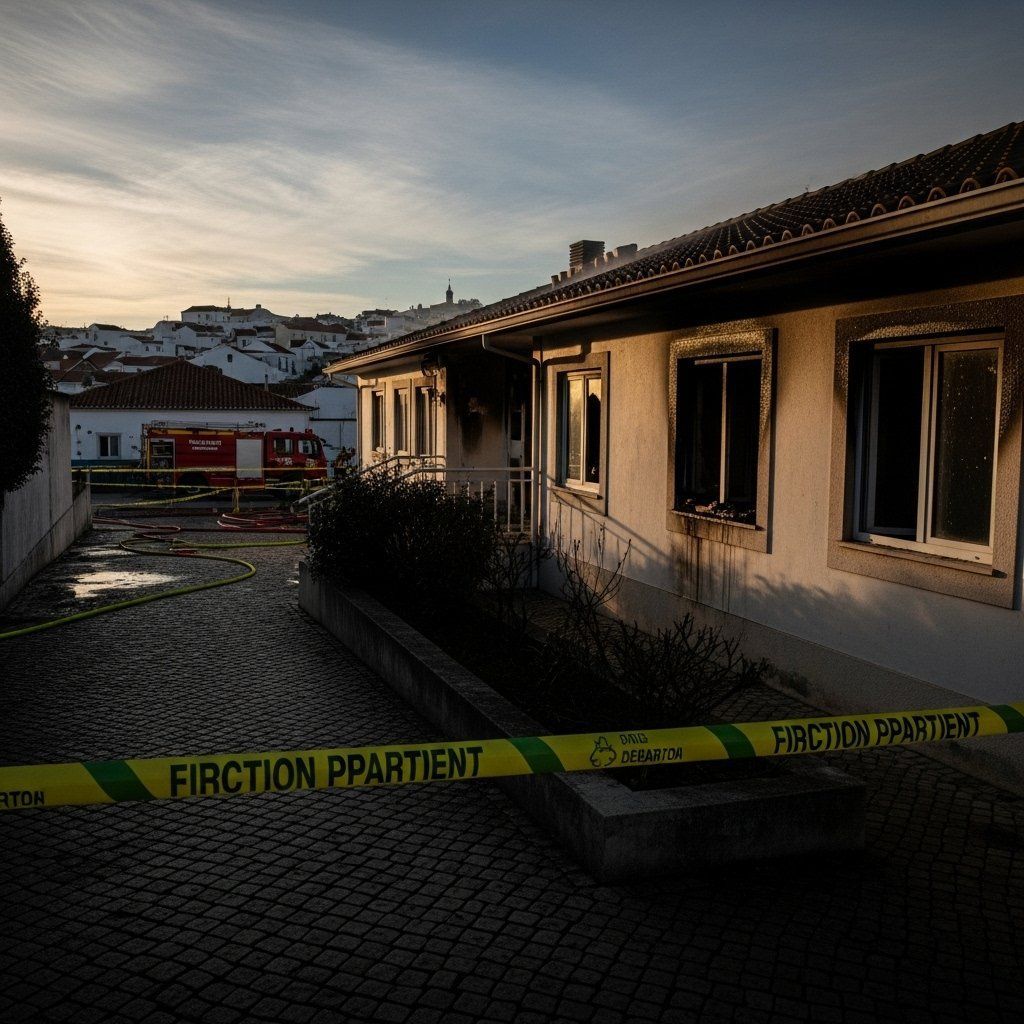
The winter storms that struck Portugal in February 2026 left a trail of destruction across more than 200 roads, including sections of the A1, A14, A17 motorways, complementary itineraries like the IC3, IC9, and the IP4. Flooding, landslides, and structural failures paralyzed mobility in the hardest-hit areas, with the Coimbra district bearing the brunt of the damage.
The remaining 34 closures are not evenly distributed. They cluster in regions where terrain instability and aging infrastructure compound the effects of extreme weather. Lisboa, Setúbal, Santarém, and Viseu face the longest recovery timelines, as engineers address slope stabilization, bridge reinforcement, and drainage system overhauls. These are not quick fixes — some repairs involve rebuilding entire road sections from the foundation up.
For residents in these districts, the impact lingers. Alternative routes add time and fuel costs to daily commutes, and businesses reliant on road freight face scheduling uncertainty. The government emphasized that restoring mobility "cannot wait months," but the complexity of structural repairs means some delays are unavoidable.
What This Means for Residents and Drivers
The restoration of 312 roads is undeniably positive, but the 34 still closed create friction for anyone traveling through or within the affected districts. Here's what you need to know:
Toll relief on the horizon: Parliament has approved a resolution urging the government to exempt or refund tolls on motorways in municipalities affected by the February 2026 storms. If implemented, drivers who paid tolls during the crisis period because alternative free routes were closed would receive compensation. This measure recognizes the financial burden placed on individuals and companies forced onto toll roads during the crisis.
How to claim toll refunds: If the measure passes, toll refunds will likely be processed through the concession operators' websites or customer service. Keep documentation of your tolls paid during the storm period, including toll receipts and proof of impact (such as emergency travel records). Further details on the claims process and timeline will be announced once the government implements the measure.
Real-time road closure updates: To check current road closures and reopenings, visit the IP's official website (www.infraestruturasdeportugal.pt) or use the IP Traffic mobile app for real-time updates on the 34 remaining closures and planned maintenance work.
Planned closures add complexity: Beyond storm damage, scheduled maintenance and construction projects are underway. The IC19, a key link in the Lisboa Metropolitan Area, faces nightly closures between kilometer 14 (Rio de Mouro access) and kilometer 16 (A16 junction) from 23:00 to 05:00 for central separator maintenance. The IP3 between Tondela and Viseu is undergoing an eight-month duplication project with nighttime and extended closures, reducing traffic to one lane per direction for approximately six months. Drivers heading through Santa Comba Dão should plan for delays or use the EN2 as an alternative.
At Abrantes, the EN118 will be restricted for seven months starting mid-March due to construction of a new underpass for the Beira Baixa Line, affecting both road and rail mobility in the region.
Rail Network Recovery and Ongoing Gaps
While IP's primary focus has been the road network, the state company also manages Portugal's rail infrastructure, which suffered parallel damage. Most rail disruptions have been resolved, but some lines remain problematic.
The Linha do Oeste (West Line) between Caldas da Rainha and Louriçal was scheduled to reopen in mid-March, restoring a critical connection for commuters and tourists heading to coastal towns. The Linha da Beira Baixa (Beira Baixa Line), however, remains severed between Mouriscas A and Rodão stations. CP (Portugal Railways) began offering replacement bus services for the interrupted sections, but the indefinite timeline for track repairs leaves passengers dependent on slower, less convenient alternatives.
By contrast, the Linha do Douro (Douro Line) between Régua and Pocinho resumed service in early March, restoring a scenic and economically vital route for both passengers and freight.
Economic Toll and Government Response
The broader economic damage from the storms is substantial. Reconstruction costs are significant, with total economic losses — including business interruptions, lost productivity, and supply chain disruptions — being assessed by government agencies. The government has allocated emergency funding to IP and municipalities to repair road and rail networks.
For municipalities, the financial strain is acute. Many have expressed concern about the substantial financial burden required to restore local networks, even with state assistance. The emergency funding is a lifeline, but it won't cover every pothole, washed-out culvert, or landslide-prone slope. Smaller towns with limited budgets may face years of gradual repairs.
From an economic standpoint, the interruptions disrupted logistics, delayed freight, and forced companies to reroute shipments at higher cost. The agriculture, manufacturing, and retail sectors — all dependent on reliable road access — took measurable hits during the peak disruption period.
Long-Term Resilience and Climate Adaptation
The storm damage has accelerated a shift in IP's strategic priorities. The company is developing a Climate Adaptation and Infrastructure Resilience Plan specifically for the road, rail, and telematics networks. The plan aims to:
• Identify and assess climate risks posed by extreme weather events such as flooding, heatwaves, and soil instability.
• Integrate adaptation measures into new construction and modernization projects, particularly in drainage systems and slope stabilization.
• Increase network capacity to withstand extreme weather without catastrophic failure.
Portugal's Recovery and Resilience Plan (PRR), funded by the European Union's NextGenerationEU program, is channeling funding to IP for infrastructure upgrades through 2026. These funds support "missing links" projects — completing incomplete sections of the complementary road network — and improving access to business reception areas, cross-border routes, and economically strategic zones.
The PRR also prioritizes road safety improvements, congestion reduction, and air quality enhancements. IP plans to continue building and upgrading roads over the coming years, many of which will incorporate climate-resilient design standards.
Broader Mobility Shifts
The storm-related closures unfolded against a backdrop of broader changes in Portugal's mobility landscape. The 2026 State Budget eliminated tolls on several motorways, including the entire A25, and granted exemptions to residents, individuals, and businesses on sections of the A2 and A6 in the Alentejo region. The A41-CREP suspended tolls for heavy vehicles during peak hours.
At the same time, tolls on many motorways rose approximately 2.29% in 2026 due to inflation and compensation agreements with concession holders. The net effect is a patchwork system where some routes are free, others are more expensive, and toll relief measures remain under negotiation.
Cross-border connectivity improvements are part of Portugal's longer-term infrastructure strategy, with projects aimed at slashing travel times and improving freight logistics between Portugal and Spain, benefiting exporters, importers, and tourists alike.
What Comes Next
With 90% of storm-related closures resolved, the focus now shifts to the stubborn 10% and the long-term challenge of climate-proofing Portugal's road network. The 34 remaining closures are not minor inconveniences — they represent structural vulnerabilities that, if left unaddressed, will reappear with the next severe weather event.
For residents in Lisboa, Setúbal, Santarém, and Viseu, patience and flexibility remain necessary. The government has pledged not to let repairs stall indefinitely, but the engineering realities of slope stabilization, bridge reinforcement, and drainage upgrades mean some roads will remain closed well into the spring or summer.
In the meantime, drivers should monitor IP's real-time traffic updates through their website or mobile app, plan for detours, and keep an eye on the toll refund process as Parliament's recommendations move through the legislative pipeline. The storms may have passed, but their legacy — and the work required to prevent a repeat — will shape Portugal's infrastructure agenda for years to come.