

The Capitania do Porto do Funchal extended its maritime warning through Thursday evening as Atlantic wind conditions gradually improve, but the practical imperative for residents and business operators remains clear: understanding which activities are restricted, when conditions stabilize, and how to maintain operational safety through the advisory period.
Current Maritime Warning Details
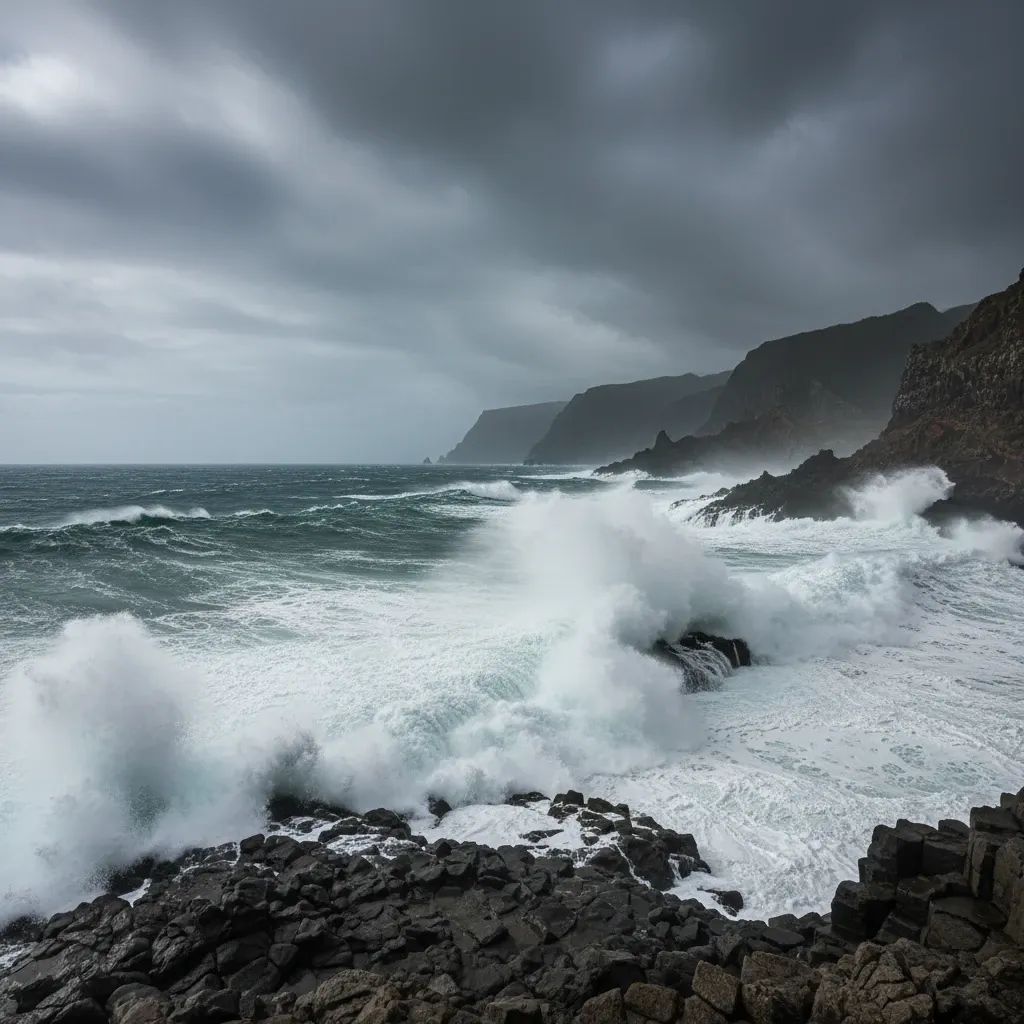
• Extended wind advisory until 6 PM Thursday: North-northeast gusts 51–62 km/h predicted with north coast wave heights of 2.5–3.5 meters; southern exposures calmer at 1–2 meters.
• Specific activity restrictions: Cliff-edge fishing, breakwater walks, and unsecured boat operations explicitly prohibited through the advisory period due to rogue wave risk.
• Operations status: The Aeroporto Internacional da Madeira - Cristiano Ronaldo resumed normal operations Wednesday after weather system passed; minor delays expected through today.
Storm Impact: The 240-Flight Disruption
The storm system that swept across Madeira between March 2 and March 4 produced significant operational disruptions that affected thousands of travelers and regional economic activity. The Instituto Português do Mar e da Atmosfera (IPMA) recorded peak wind speeds approaching 120 km/h in mountainous terrain, while even sheltered southern coastal regions absorbed sustained gusts of 95 km/h—conditions that render runway operations impossible.
The Aeroporto Internacional da Madeira - Cristiano Ronaldo bore the immediate operational weight. March 2 opened with 88 cancellations across incoming and outgoing flights. The following day saw conditions worsen, adding another 70 cancellations. By March 4, when conditions finally moderated enough to resume flights, the cumulative total reached 240 canceled operations affecting thousands of travelers. Ferry services between Funchal and Porto Santo also suspended operations, commercial fishing fleets remained anchored, and the disruption rippled through hospitality and port-dependent sectors.
Understanding Current Marine Conditions
The Capitania bases its Thursday advisory on IPMA analysis indicating wind from the north-northwest, initially moderate-to-fresh in character before rotating toward north-northeast and intensifying to very fresh and strong categories—sustained speeds of 51–62 km/h with isolated gusts potentially climbing higher. The advisory extends through 6 PM Thursday, after which conditions are forecast to gradually diminish.
Visibility presents a secondary hazard. Expected to deteriorate from good-to-moderate conditions into moderate-to-poor visibility by midday as isolated precipitation systems pass overhead, this creates a dual challenge for mariners: wind-driven seas combined with reduced sight lines for navigation.
The exposed north coast absorbs the Atlantic's full energy, with wave heights between 2.5 and 3.5 meters representing genuine hazard to small recreational craft and fishing boats. Porto Santo's northern waters experienced worse during the storm's peak intensity, with northwest-driven swells reaching 4–5 meters. The calmer south coast experiences gentler action at 1–2 meters, but even this relative moderation carries risk. The maritime authority's guidance reflects operational experience: improving conditions do not equal safe conditions.
Specific Restrictions on Land and Water Activities
The Capitania do Porto do Funchal issued direct operational mandates that apply through the advisory period. Vessel owners and commercial operators must reinforce all mooring systems before Thursday evening and maintain constant vigilance over anchored or docked craft. Anchor watches are operational requirements until the advisory formally expires. Any entity planning offshore work must verify seaworthiness certificates against current IPMA bulletins before departure.
For the general public, restrictions are explicit:
• Stay away from breakwaters, harbor walls, cliff edges, and beaches fronting open ocean. This directive reflects documented rescue incidents where rogue wave phenomena—sudden massive surges appearing during deceptively calm intervals—have swept residents and tourists into the sea.
• Recreational fishing along rocky falésias (cliff faces) is specifically prohibited during this advisory. Wave energy concentrates in these topographic features, creating spray zones and surge patterns that confound even experienced anglers.
• Levada hike tours should be confirmed with local operators before departure. Post-storm debris, fallen vegetation, and potential mudslides from recent rainfall often block established trails. Cancellations and rescheduling reflect professional risk management during weather recovery phases.
Structural Vulnerabilities Exposed
Tourism contributes substantially to Madeira's economy, making the region proportionally vulnerable to flight disruptions. When operations cease, stranded passengers redirect bookings to alternative destinations, hotel vacancy rates spike, restaurants lose table turns, and many travelers abandon Madeira plans entirely—a permanent revenue loss that sectors cannot recover through future pricing.
The Região Autónoma da Madeira has acknowledged these structural challenges through climate adaptation planning and published roadmaps targeting 2030. These initiatives specifically address airport resilience, port operational capability, and infrastructure retrofitting to withstand intensified weather events. Atlantic wind patterns will not stabilize, and infrastructure designed for twentieth-century baselines will increasingly face operational strain without investment.
What Residents Should Do Today
The Capitania maintains its maritime advisory and emergency communication channels through 6 PM Thursday. Anyone with boats should verify mooring security immediately. Commercial maritime operators should confirm final IPMA bulletins before any operation casting off into open water. Coastal residents planning outdoor activities should check real-time conditions before leaving home—forecast improvements can reverse rapidly, and local wind funneling effects produce conditions significantly more severe than regional averages suggest.
Authorities emphasize that witnessing maritime distress or sudden coastal hazards warrants immediate emergency contact. Prevention remains vastly preferable to rescue operations conducted in difficult sea states. The island's rescue capabilities operate at genuine risk during severe conditions, and incidents that could have been prevented through basic caution create unnecessary danger for responders.
As Atlantic conditions moderate and Madeira's economy returns to routine operations, the practical lesson clarifies: three days of severe weather disrupted 240 flights and eliminated significant regional revenue. The maritime advisory extension through Thursday requires continued vigilance, but operations have resumed and normal schedules are returning. Observing specific safety restrictions protects residents and visitors while allowing economic recovery to proceed.


