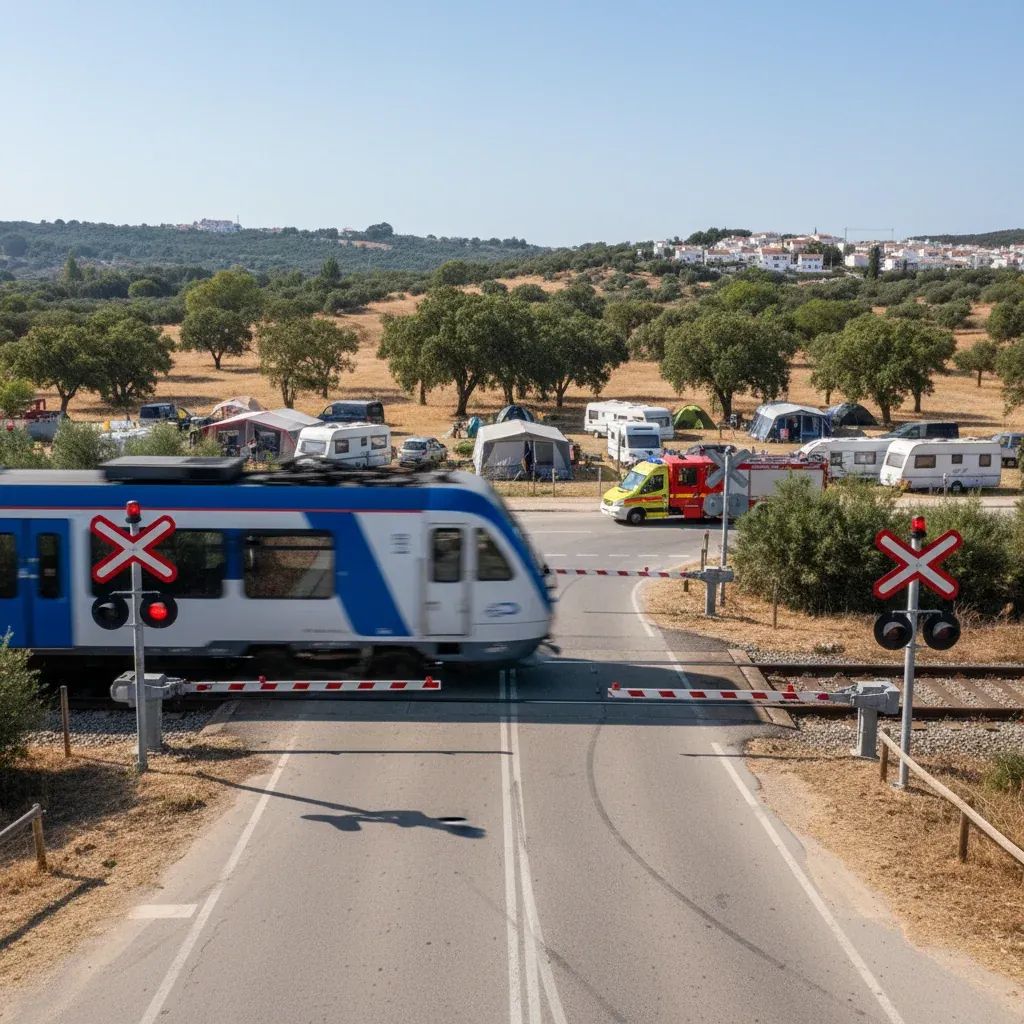
A rail accident in Olhão on March 18, 2026, disrupted service on the Algarve Line yesterday afternoon, injuring one person and halting trains between the town and the eastern terminus at Vila Real de Santo António for 79 minutes—a reminder that residents and visitors must remain vigilant at level crossings.
The Incident
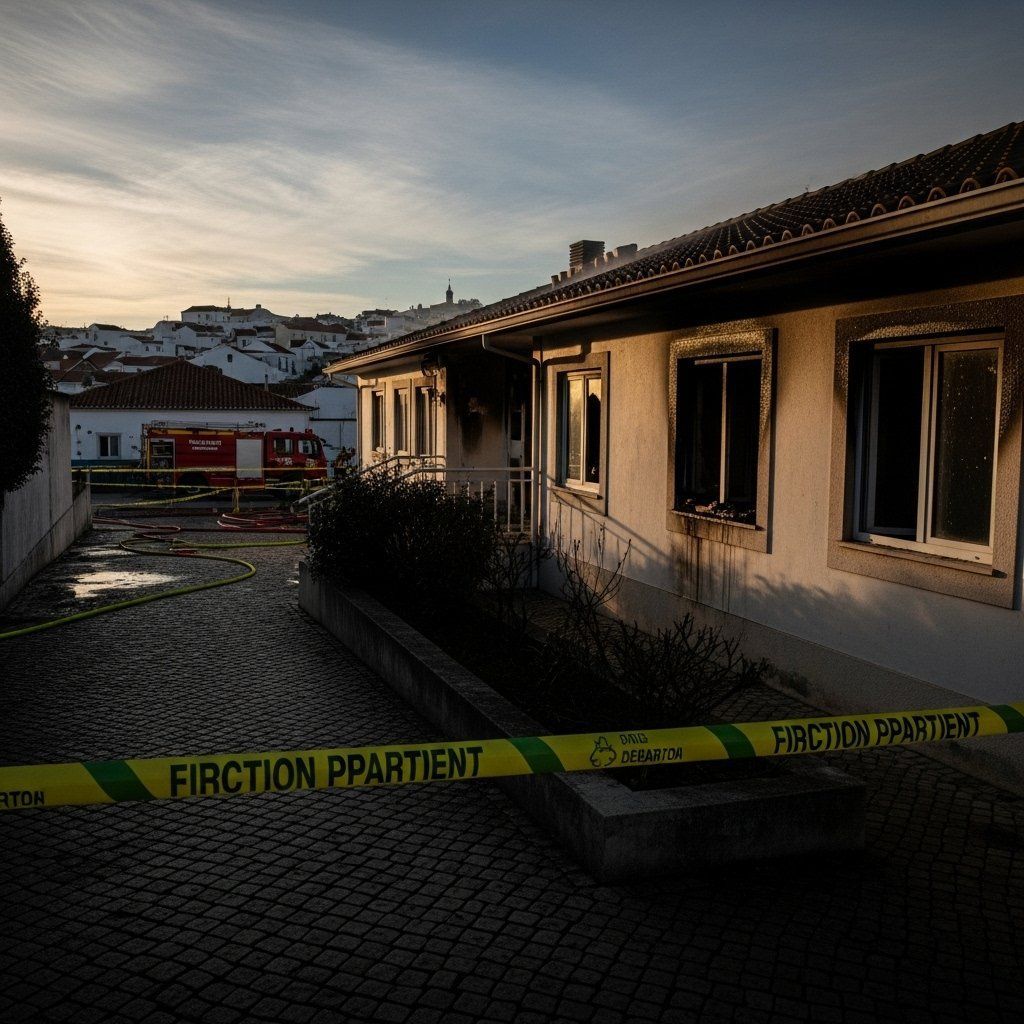
Regional Emergency and Civil Protection Command of the Algarve received the alert at 13:23 on Tuesday. A victim was struck near an automated level crossing on the eastern edge of Olhão, close to a campsite. An automated level crossing looks for red flashing lights and striped barriers descending across the road when a train approaches. Twelve responders and five emergency vehicles attended the scene. The section affected runs from Olhão station eastward through Fuseta and Tavira, disrupting service to the line's final stop in the border town of Vila Real de Santo António.
CP – Comboios de Portugal confirmed circulation resumed at 14:42, with no infrastructure damage recorded. The swift restoration suggests the incident involved a pedestrian or cyclist rather than a vehicle collision.
Safety First: What Algarve Residents Need to Know
If you live or travel in the Algarve, sudden service interruptions like yesterday's are a reality. Always obey crossing signals, even if barriers seem slow to rise, as a second train may be approaching. Heavy vehicle operators must verify weight, length, and width limits before crossing. Pedestrians and cyclists should never cross when alarms sound or lights flash, even if no train is immediately visible—a train is often closer than it appears.
When barriers begin to descend, ensure your vehicle is completely clear of the tracks. If you become stuck on tracks when barriers descend, exit immediately and move away from the line. For those caring for elderly relatives or those with dementia, consider enrolling them in the PSP's "Estou Aqui Adultos" bracelet program, a free identification service that provides emergency contact information via the 112 system when scanned by police or paramedics.
Portugal's Level-Crossing Problem
This incident fits a troubling national pattern. Collisions with pedestrians and cyclists at level crossings represent the overwhelming majority of railway fatalities in Portugal. In 2021, the country recorded 33 rail accidents, resulting in 18 deaths—most linked to misuse of railway space, such as ignoring crossing signals or walking along tracks.
The 2022 safety report showed improvement, with a 33% drop in accident-related deaths compared to the previous year, yet the problem persists. Partial 2023 data revealed six fatalities on the North Line between Póvoa de Santa Iria and Santarém in just nine months—already exceeding the five deaths recorded there in all of 2022.
Regulation and Infrastructure
Automated level crossings in Portugal are governed by the Level Crossing Regulation (RPN), enacted under Decree-Law 568/99. These crossings feature red flashing lights, sound alarms, physical barriers (full or half), emergency contact numbers, and increasingly, video surveillance to detect and penalize rule violations. Infraestruturas de Portugal (IP), the state rail manager, runs recurring awareness campaigns and has retrofitted most crossings on the national network with active protection since 2013.
The regulation also mandates a ban on new level crossings—any new road must cross tracks via overpass or underpass. IP, local councils, and the Roads Institute are working to eliminate existing crossings, prioritizing those with a history of accidents or located on high-speed stretches. Despite investment, hundreds remain across the country, and safe user behavior—staying alert, removing headphones, yielding to barrier descent—remains inconsistent.
Broader Context
Portugal's rail safety record has improved since earlier periods, but most rail accidents involve pedestrians or drivers entering railway space rather than train failures. The Algarve Line, which serves both commuters and tourists, passes through dense residential and recreational zones, including campsites and beaches, where informal crossings and footpaths intersect the track.
The National Railway Safety Authority (ANSF) has noted that passenger safety during train operations remains strong, with most incidents occurring at the human interface—the crossing point where public behavior becomes critical. Authorities have expanded video surveillance and enforcement, but safe crossing practices depend on individual awareness and compliance.
Looking Ahead
Yesterday's incident in Olhão will likely prompt a routine review by the ANSF and IP, standard procedure for any rail injury. Most often, investigations conclude that equipment functioned correctly and human error was the cause.
For now, the Algarve Line is operating normally. Passengers should check CP's live service updates if traveling through Olhão, Fuseta, Tavira, or Vila Real de Santo António, as residual delays can persist for hours after incidents. Pedestrians and drivers near rail corridors should treat every crossing with caution: assume a train is always approaching, because one might be.