IPMA Expands Yellow Weather Alert to 11 Districts for Tuesday
The Portuguese Sea and Atmosphere Institute (IPMA) has expanded its yellow weather alert across Portugal's interior regions on Tuesday, noon to 21:00. The alert now covers 11 districts instead of the initially forecast 3, indicating intensifying atmospheric conditions.
Alert Coverage and Expected Conditions
The expanded alert encompasses districts across northern, central, and southern zones including Vila Real, Viana do Castelo, Braga, Bragança, Viseu, Guarda, Coimbra, Santarém, Castelo Branco, Évora, and Portalegre. Residents should expect heavy rainfall, possible hail, and thunderstorms concentrated across interior and elevated terrain areas.
Why This Matters for Portugal's Interior
These 11 districts contain significant agricultural operations, forestry areas, rural transportation corridors, and mountain communities. The geographic concentration means heightened vulnerability during intense weather. Elevated terrain in the Serra da Estrela, Gerês massif, and Interior Plateau typically experiences the most vigorous thunderstorm development when Atlantic moisture encounters these zones.
Understanding Yellow Alerts
In Portugal's alert hierarchy, yellow represents the lowest warning tier—a three-tier system where yellow signals conditions dangerous for weather-dependent occupations but not the societal-scale disruption warranted by orange or red designations. Yellow alerts translate to workplace caution and schedule adjustments rather than evacuation protocols or emergency declarations. However, dismissing them carries material consequences; construction, agriculture, transportation, and event management sectors operate with reduced efficiency during yellow periods, and property damage frequently results when residents ignore preparation guidance.
Practical Preparation for Tuesday
The Portugal National Authority for Emergency and Civil Protection (ANEPC) recommends these concrete actions:
Before Tuesday afternoon:
• Inspect and clear drainage systems around your property thoroughly. Gutters, roof channels, balcony drains, and ground-level runoff infrastructure clogged with debris will generate localized flooding within minutes of intense precipitation.
• Secure or relocate wind-exposed items: garden furniture, flowerpots, signage, loose roofing materials, and construction debris. Lightweight objects become dangerous projectiles during sudden gusts.
During active weather (noon-21:00 Tuesday):
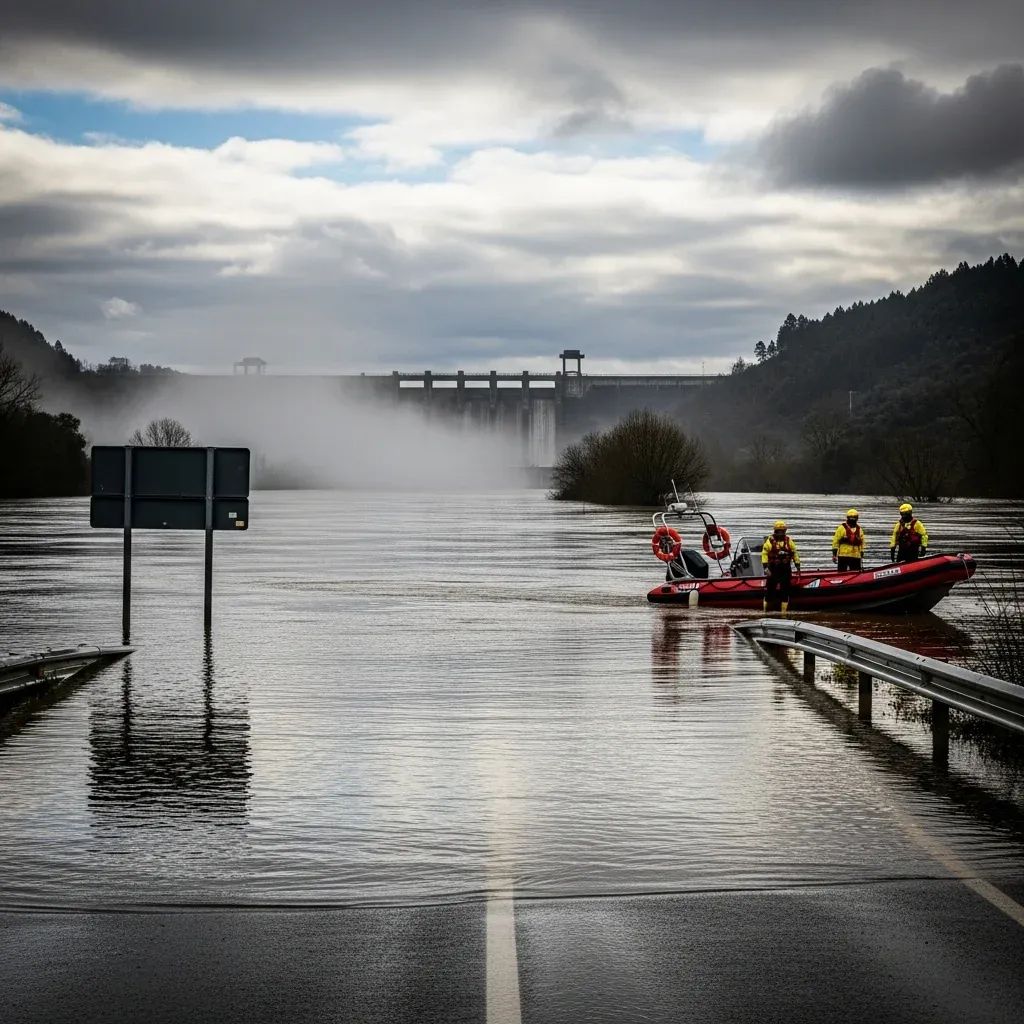
• Exercise heightened caution while driving. Sudden intense rainfall can generate standing water accumulation on rural roadways within minutes, particularly in districts like Bragança, Guarda, and Castelo Branco where modern drainage remains limited. Do not attempt transit through flooded road sections whether driving or walking.
• Reduce speed substantially below posted limits and increase following distance. Visibility can collapse during heavy precipitation bursts, and wet pavement reduces road surface friction dramatically.
• Avoid remaining beneath trees or within wooded areas once thunderstorms activate. Soil saturated from previous rainfall combined with strong gusty wind creates genuine risk of branch failure and tree uprooting.
For agricultural operators:
• Relocate vulnerable livestock, harvested goods, and moveable equipment to elevated locations if properties border rivers or historically active flood channels.
Monitoring and Information Access
The IPMA maintains continuous forecast refinement cycles, updating alerts twice daily through its website and the Meteo@IPMA mobile application. Residents in the 11 affected zones should confirm alert status Tuesday morning before finalizing travel or outdoor work commitments. The ANEPC provides supplementary civil protection guidance when scenarios warrant heightened public awareness. WhatsApp alerts and municipal notification systems distribute critical information in real-time; subscription to these channels provides decisive advantages.
Economic Ripple Effects Across Multiple Sectors
Yellow alerts distribute disruption across multiple economic domains. Agriculture faces direct crop exposure—spring cereals, table vineyards, and intensive vegetable production face genuine loss from hail impact and flooding. Construction sectors grind to operational halt during active weather, creating compressed schedules and elevated labor costs. Regional transportation networks experience operational constraints when safety considerations warrant service suspension. Tourism operators offering outdoor experiences face immediate cancellations, translating directly into revenue reduction. Local emergency services experience increased operational demand, with resource consumption that detracts from other priorities.
Takeaway
Yellow alerts may appear routine, but they remain credible signals of operational hazard. Residents who approach preparation seriously—clearing drainage systems, securing loose items, adjusting schedules proactively—consistently experience materially fewer complications than those who dismiss them. Responding rationally to meteorological guidance from Portuguese authorities remains the defensible choice.