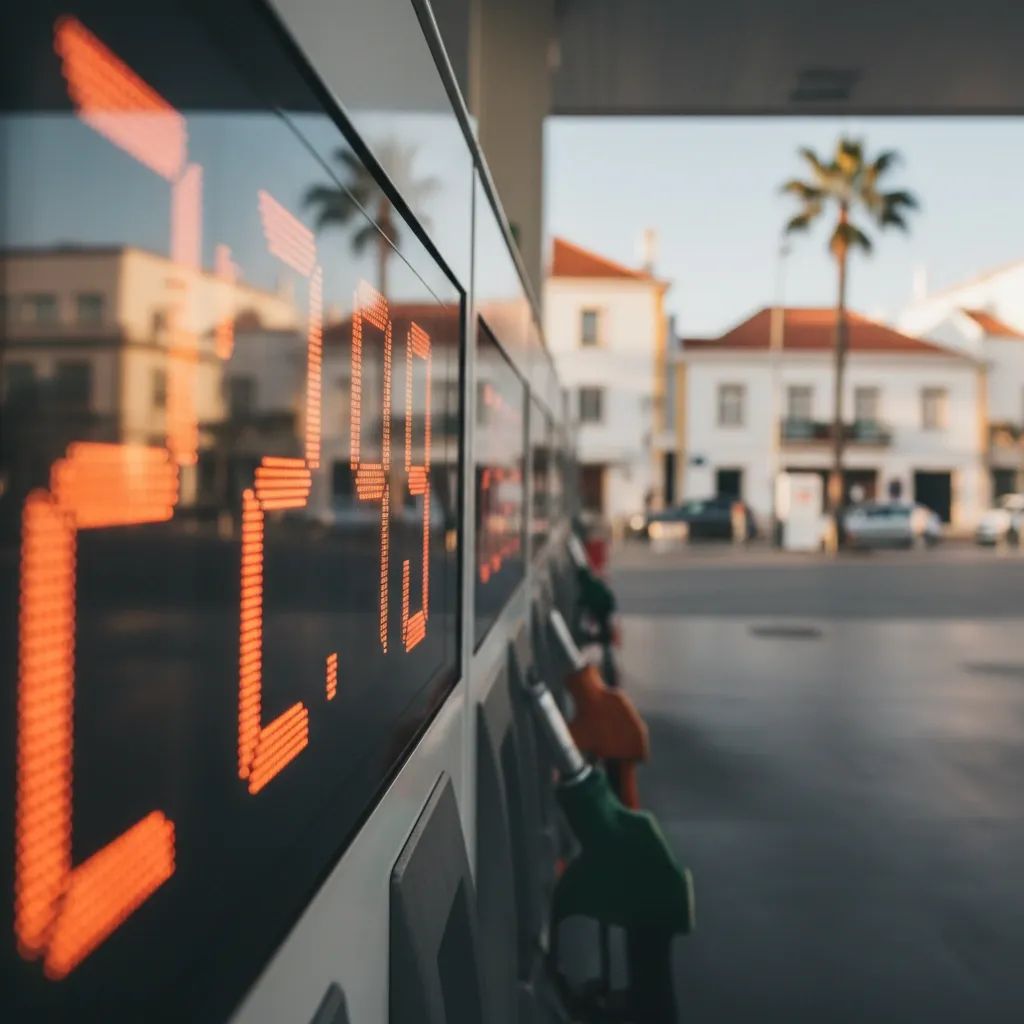
The Portugal Ministry of Finance has confirmed that fuel subsidy discounts will remain unchanged next week, offering a modest reprieve to drivers as gasoline 95 prices are expected to drop 2.5 cents per liter while diesel rates hold steady. The decision comes as the government attempts to cushion consumers from geopolitical shocks that have pushed pump prices higher in recent weeks.
Why This Matters
• Gasoline drivers see relief: Gasoline 95 prices expected to drop 2.5 cents/L from Monday.
• Diesel unchanged: Road diesel prices expected to remain stable.
• Government support continues: The existing fuel relief package stays active through June 30.
• Real discount at pump: When VAT is factored in, drivers save 9.4 cents/L on diesel and 5.1 cents/L on gasoline.
First Price Relief After Recent Surge
For the first time in recent weeks, Portugal motorists will see a downward shift at fuel stations. The Associação Nacional de Revendedores de Combustíveis (Anarec), Portugal's national fuel retailers' association, disclosed that gasoline 95 should decline modestly from Monday, while diesel will likely remain flat.
Oil market movements have kept fuel prices volatile, with international crude quotations driving weekly adjustments in Portugal's fuel pricing mechanism. Brent crude fluctuations have kept energy traders on edge, and the market immediately reflects this volatility in domestic retail prices.
The timing offers relief for households and businesses grappling with transportation costs. A typical sedan with a 50-liter tank will save roughly €1.25 per fill-up on gasoline compared to current rates, though diesel drivers won't see any immediate benefit.
Government Extends Fuel Tax Cuts
The Portugal Cabinet, led by Finance Minister Joaquim Miranda Sarmento, announced that temporary reductions to the Imposto sobre os Produtos Petrolíferos (ISP)—the country's fuel excise tax—will remain in place for at least another week. The discounts slice 7.6 cents/L off diesel and 4.1 cents/L off gasoline before VAT is applied.
When the 23% VAT is calculated on the reduced base, consumers effectively save 9.4 cents/L on diesel and 5.1 cents/L on gasoline. For a household that uses 150 liters of diesel monthly, the subsidy translates to roughly €14 in monthly savings—a tangible amount amid rising living costs.
Broader Fuel Relief Package Approved
Prime Minister Luís Montenegro unveiled a comprehensive fuel support scheme projected to cost the state approximately €150M per month. The package, running through June 30, targets sectors hit hardest by fuel inflation.
Key elements include:
Professional diesel rebates: Commercial freight operators will receive subsidies on road diesel, supporting logistics companies facing margin pressures from elevated fuel costs.
Agricultural and maritime support: Farmers, forestry workers, and fishing fleets—all heavy diesel consumers—will access assistance to offset operating expenses.
Volunteer fire brigades: Humanitarian firefighting associations will receive direct aid to help cover fuel costs for emergency operations.
Taxi operators: Independent taxi drivers and small fleet owners qualify for support, acknowledging their exposure to fuel price volatility.
Social services: Instituições Particulares de Solidariedade Social (IPSS), the network of private social solidarity institutions that provide eldercare, disability services, and community transport, will receive assistance to help cover rising mobility costs.
What This Means for Residents
If you drive a gasoline vehicle, you'll benefit from the 2.5-cent price drop starting Monday. For diesel drivers, prices won't worsen but won't improve either.
The government's decision to extend subsidies signals recognition that external pressures on fuel costs remain significant. However, the relief is measured. A 9.4-cent diesel discount on prices that have risen substantially still leaves drivers paying more than previous months.
Professional drivers and business owners in transport, agriculture, or social services should monitor eligibility criteria for the new support measures. Details on application processes are expected to be published by relevant ministries in the coming days.
International Context
Recent fuel price volatility reflects global market pressures affecting oil supplies and international crude quotations. Portugal, with no domestic oil production, relies entirely on imports and is therefore sensitive to international price movements. The country's strategic petroleum reserves provide a buffer against supply disruptions.
Outlook for Drivers and Businesses
The gasoline price drop next week offers relief to households already managing cost pressures. For businesses, particularly in logistics and agriculture, the new subsidies provide support during a period of elevated operating expenses.
Taxi and ride-hailing drivers in Lisbon, Porto, and tourist hubs should see direct benefit from targeted aid, though details on disbursement mechanisms remain to be confirmed. IPSS organizations running meal delivery or assisted transport programs will welcome the assistance announced.
For now, Portugal motorists can expect gasoline prices to edge down from Monday, with the government maintaining its subsidy framework and fiscal approach.