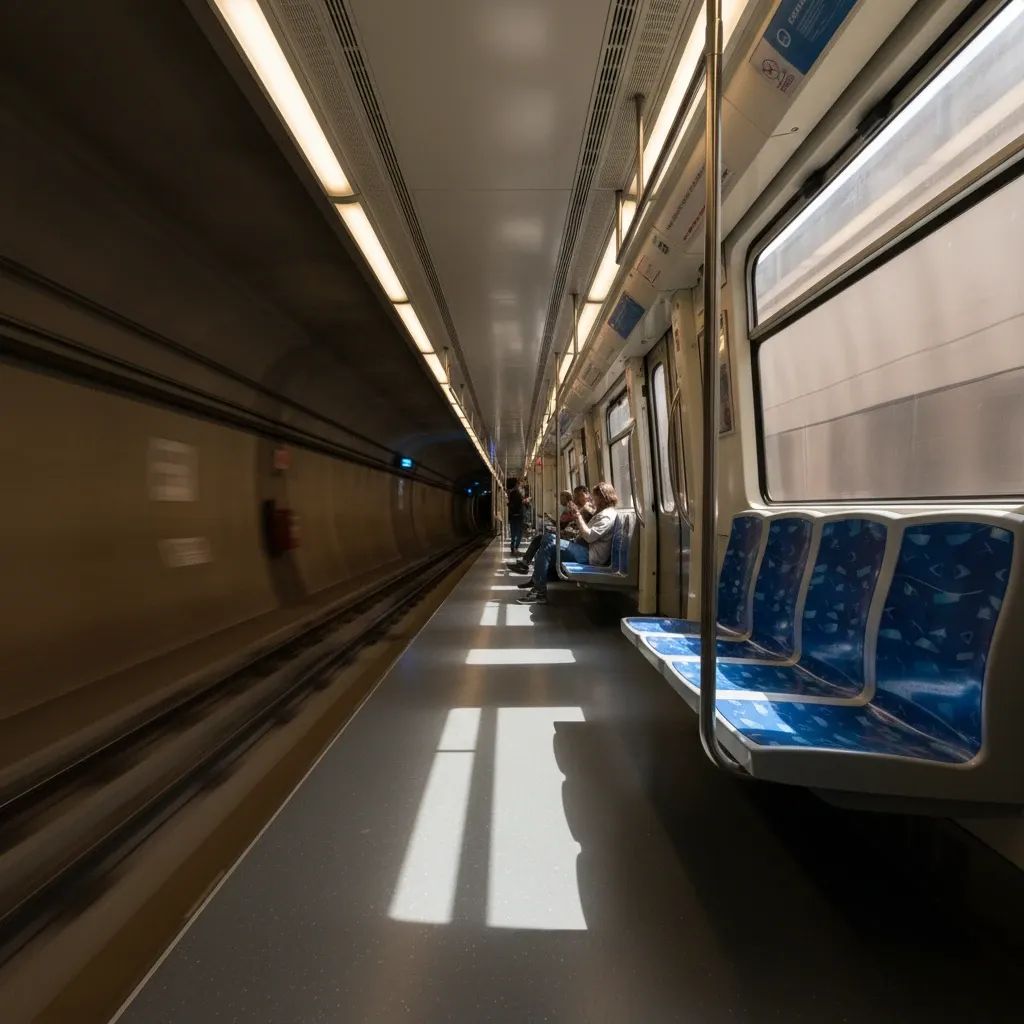
The Lisbon Metro Blue Line experienced a brief service suspension late Tuesday night, halting all trains for roughly 27 minutes before operations resumed. The disruption, attributed to a "cause beyond Metro control," affected one of the capital's busiest transit arteries during the late-evening commute window.
What Happened Tuesday Night
The Metropolitano de Lisboa announced via its official channels at 11:27 PM on March 3 that circulation on the Blue Line (Reboleira–Santa Apolónia) had been interrupted. The company's statement cited a "cause unrelated to Metro operations" without elaborating on the specific nature of the issue. Service was restored 27 minutes later, at 11:54 PM, with the operator thanking passengers for their patience.
The timing—shortly before the system's normal 1:00 AM closure—meant the disruption primarily affected late-shift workers, evening travelers, and residents returning home from the city center or eastern neighborhoods. Given that Lisbon's metro operates from 6:30 AM to 1:00 AM daily, a disruption this close to closing time leaves minimal buffer for recovery or alternative planning.
Understanding "Cause Beyond Metro Control"
The phrase "causa alheia ao Metro" typically refers to incidents outside the operator's direct control, which can include passenger emergencies, utility failures, or third-party infrastructure issues. While the specific cause of Tuesday's interruption was not disclosed, such disruptions are not uncommon in urban metro systems.
Impact on Commuters
For passengers relying on the Lisbon Metro, even brief interruptions can affect connections and travel plans. The Blue Line serves critical destinations including Santa Apolónia station (for regional and international trains), Baixa-Chiado (the historic downtown), and Reboleira (a residential hub in the western suburbs).
When the Blue Line experiences service issues, alternative transport options include:
• Carris Metropolitana buses serving many Blue Line stations, though capacity constraints during peak disruptions can be a challenge.
• Yellow, Green, and Red lines offering partial workarounds via transfer stations like Marquês de Pombal.
• CP commuter trains providing some relief for those near Roma-Areeiro, which connects to the Yellow and Green lines.
• Taxis and ride-hailing services (TVDE) available as paid alternatives.
Broader Context
In recent months, the Lisbon Metro has undertaken various maintenance and infrastructure projects. In early February 2026, the Blue Line experienced a more significant disruption related to water management concerns near one of its stations. The operator continues to work on long-term improvements to system reliability, including planned fleet modernization and signaling upgrades over the coming years.
For Commuters Going Forward
Blue Line riders are advised to monitor the Metropolitano de Lisboa's official channels for service updates, particularly during late evening hours. While the March 3 interruption was brief, allowing extra travel time during peak hours and familiarizing yourself with alternative routes remains a practical approach to managing occasional service disruptions on any busy urban transit system.