

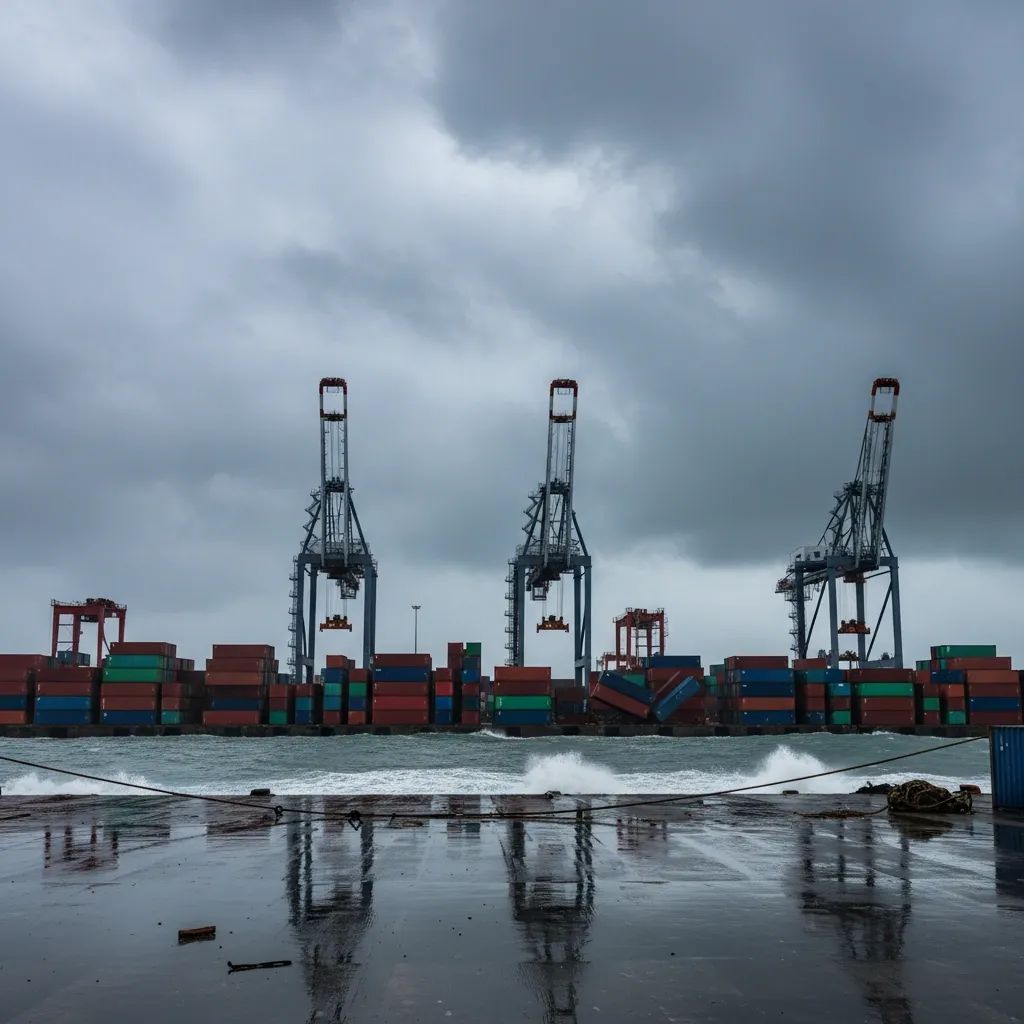
The Portugal Port Authority has cleared the backlog of cargo detained by February’s severe storms, an action that is already re-activating elective surgeries in Cabo Verde and exposing how a one-week weather shock in Lisbon can paralyse an entire supply chain 1,500 km away.
Why This Matters
• Elective operations resume in Praia after a 10-day pause triggered by the lack of anaesthetic gases.
• Portugal-based shippers face pressure to present contingency routes or risk losing West-African contracts.
• Lisbon’s port disruption bill now extends beyond domestic repairs; it also includes reputational damage in the wider Lusophone market.
• Residents in Portugal can expect tighter safety rules for hazardous-goods transport, potentially raising freight prices on consumer goods.
From Atlantic Gales to Operating-Room Silence
Storm clusters Kristin, Joseph and Ingrid pummelled the Portuguese coast at the end of January, closing container terminals in Lisboa for almost a week. Among the stranded cargo were 60 pressurised cylinders of sevoflurane and isoflurane—critical anaesthetic gases that the state-owned Emprofac ships monthly from Portugal to Cabo Verde. Because international aviation rules class these products as “dangerous goods”, maritime freight is virtually the only option.
By the time the weather calmed, the main surgical block at Hospital Universitário Agostinho Neto had cut its theatre timetable in half, postponing knee replacements, hernia repairs and other non-vital procedures. Urgent C-sections and trauma cases continued, but doctors rationed the remaining stock.
Cabo Verde’s Emergency Playbook
Health Minister Jorge Figueiredo responded with three stop-gap measures:
Freeze on all new elective bookings until inventory doubled.
Real-time monitoring of gas cylinders shared with hospital pharmacists and port authorities.
Daily liaison with Portugal’s Embassy in Praia to secure early notification once the ship set sail.
The freighter finally berthed in Mindelo on 14 February, restoring normal stocks by the following Monday. Surgeons cleared the backlog within 72 hours.
Supply-Chain Lessons for Portugal
The incident has jolted Portuguese logistics firms. Hazardous cargo currently relies on a single weekly sailing from Lisbon; any interruption echoes across the Community of Portuguese-Speaking Countries (CPLP). Private operators are now weighing:
• Diversified departure points such as Leixões or Sines for critical medical loads.
• Hybrid sea-air models, where cylinders travel by ship to the Canary Islands and switch to short-haul cargo jets, cutting exposure to Atlantic storms.
• Stricter port weather protocols, including mandatory 48-hour risk forecasts before loading dangerous goods.
What This Means for Residents
Portuguese taxpayers could see higher port fees earmarked for storm-proofing quays and cranes. Exporters of wine, ceramics and machinery bound for West Africa may face longer booking windows as operators prioritise medical and perishable cargo. On the upside, the episode strengthens the case for EU resilience funds to be channelled into Portugal’s coastal infrastructure—money that ultimately boosts jobs in dock engineering and maritime services.
The Bigger Picture
Climate data from the Instituto Português do Mar e da Atmosfera shows a 23 % rise in Atlantic storm intensity over the past decade. If that trend holds, Lusophone nations tied to Portuguese ports will need new redundancy corridors. The quick resumption of surgeries in Cabo Verde demonstrates that recovery is possible—provided Lisbon’s docks reopen swiftly and communication lines stay transparent.
For residents and businesses in Portugal, the storm served as a live-fire test of the country’s global responsibilities: when the cranes stop on the Tagus, operating rooms in Praia go quiet. Strengthening those dock walls is no longer just a domestic concern; it is a health-care imperative for an entire linguistic community.


