

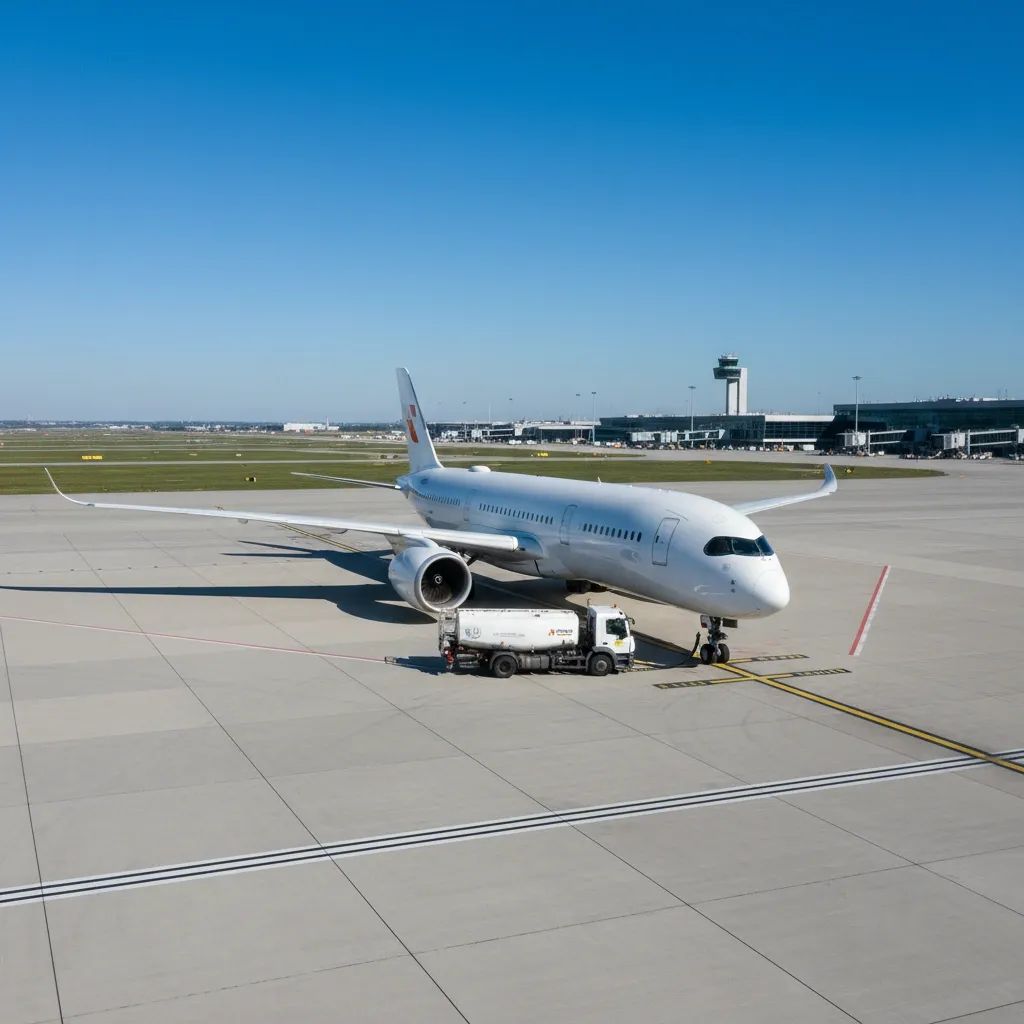
The EasyJet group now expects to post a first-half loss of £540M to £560M—nearly 42% wider than the prior year—as Middle East conflict-related fuel spikes squeeze the budget carrier's margins. For residents in Portugal who rely on EasyJet for connections to the UK, France, Switzerland, and beyond, this warning signals higher ticket prices and potential route adjustments in the months ahead.
Why This Matters for Portugal Travelers
EasyJet is a major operator at Lisbon Portela Airport and Porto's Francisco Sá Carneiro, connecting Portuguese residents and expats across Europe. The airline's financial crisis directly impacts your travel costs and options.
• Fuel costs surged significantly in late February and March 2026 due to Middle East geopolitical turmoil, forcing EasyJet to absorb substantial additional costs.
• The carrier's strong passenger demand was unable to offset the fuel price shock, resulting in deteriorating financial performance.
• Full financial results drop 21 May 2026, when management will clarify whether capacity cuts are needed for the summer peak season.
• EasyJet Holidays, the carrier's package-tour arm, has provided some financial cushion with growth in customer volumes.
Fuel Price Shock Ripples Through Aviation
Europe's aviation sector is absorbing historic cost increases. Jet-fuel prices surged starting in late February 2026, driven by Middle East tensions and airspace closures. EasyJet's CEO Kenton Jarvis confirmed that while passenger demand remained "strong and sustained," the airline was "impacted by the Middle East conflict and the competitive environment in certain markets."
The airline is 70% hedged for the second half of fiscal 2026, providing temporary protection. However, these hedges will eventually expire, forcing the carrier to pass costs through to ticket buyers.
Across the continent, airlines are responding by cutting capacity and announcing route changes. War-risk insurance premiums have jumped significantly for flights near conflict zones, adding substantial operational costs. Some routes, particularly those connecting southern Europe, remain relatively stable as leisure travelers opt for closer destinations.
What This Means for Residents and Travelers in Portugal
EasyJet's financial warning directly affects anyone booking flights from Portugal this summer and autumn. The immediate impacts are:
• Higher ticket prices as hedges expire and fuel costs are priced into summer schedules.
• Route rationalization on less-profitable routes, potentially affecting connectivity to secondary European cities.
• Reduced flight frequency on some routes, forcing earlier bookings or dynamic-pricing premiums.
• Better value in package deals: EasyJet Holidays package products may offer more stable pricing than individual flight bookings during this period of volatility.
Booking strategy for Portugal residents: If planning summer travel, consider booking sooner rather than later, as fares are expected to rise 10% to 20% on popular routes to the UK and France. Package holidays that lock in both flight and accommodation costs may provide better price certainty than booking flights separately.
Regulatory and Industry Context
European airlines have requested government and EU relief measures to manage the fuel cost surge. The broader challenge affects not only airfares but also cargo, ground transport, and tourism-dependent businesses across southern Europe.
Industry analysts estimate that elevated fuel costs could persist into 2027, meaning the inflationary pressure on travel prices will likely extend beyond the summer season.
What Comes Next
EasyJet will publish full first-half results on 21 May 2026, when management will reveal whether summer capacity cuts are necessary and provide guidance on pricing strategy for the peak travel season.
For now, passengers based in Portugal should anticipate price increases on popular routes by summer, particularly to the UK and France. The broader takeaway: Europe's low-cost aviation model is being stress-tested by fuel price volatility that carriers cannot fully control.


