
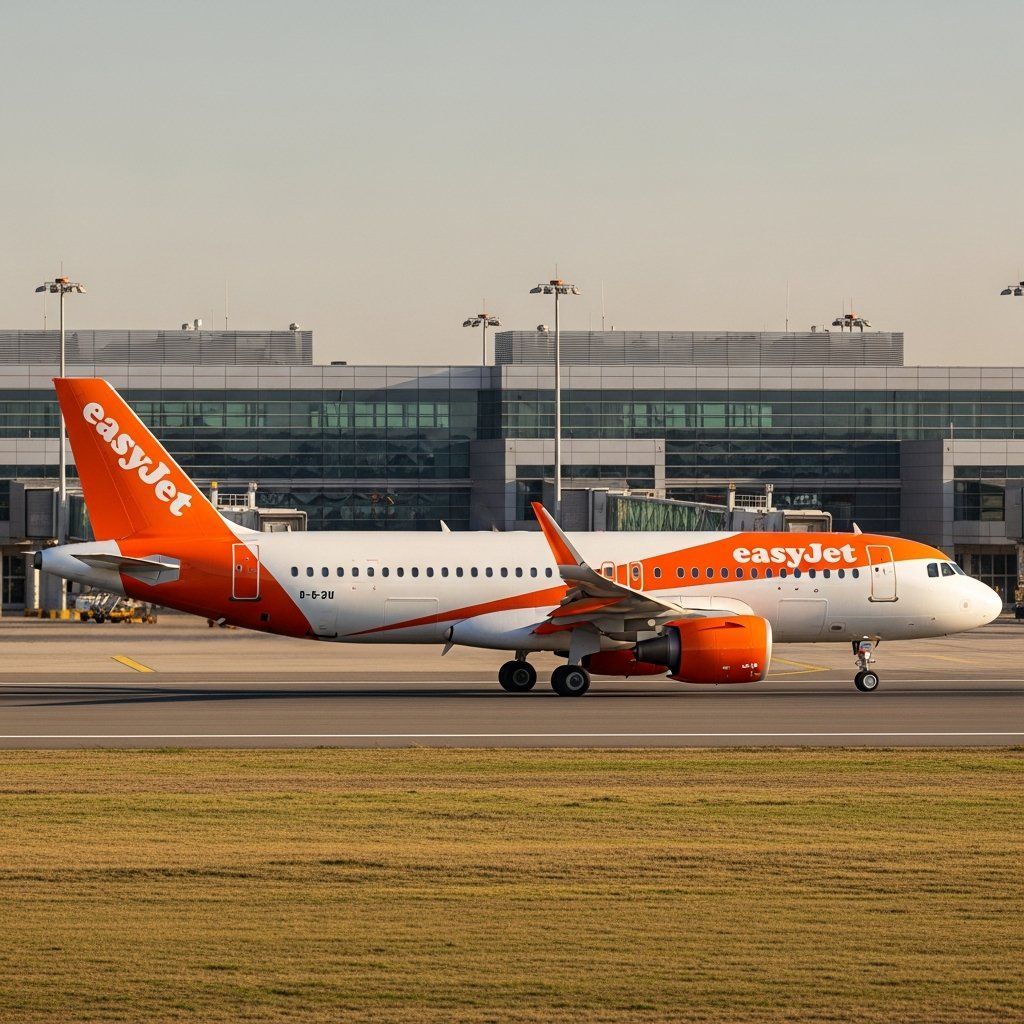
Sun-seekers flying out of Portugal and business travellers chasing meetings across Europe have fresh reasons to glance at the orange-and-white tails of easyJet. The British airline has just closed its financial year with a profit jump strong enough to bankroll extra flights and, potentially, temper the upward pressure on ticket prices that Portuguese passengers have felt since the pandemic.
Why It Matters for Portuguese Travellers
A bumper result at easyJet is not abstract accounting for Portugal-bound travellers. The carrier already ranks among the top three operators at Lisbon, competes head-to-head with Ryanair in Porto, and moves hundreds of thousands of sunseekers through Faro each summer. A healthier balance sheet widens its ability to add capacity, intensify competition on Atlantic links, and maintain aggressive promotional fares that feed incoming tourism. Crucially, it equips the airline to defend its coveted airport slots in the capital against the looming Ryanair challenge during the forthcoming Montijo expansion debate.
The Numbers Behind the Jump
easyJet ended the twelve months to 30 September with €563 M net profit, a leap of 9.3 % year-on-year. Pre-tax earnings climbed to €750 M, while operating profit rose 18 % to €793 M. Turnover hit €11.5 B, proof that demand for affordable European travel is back at full throttle. The airline carried 93.4 million passengers and filled planes to a load factor of 89.8 %, edging past pre-Covid utilisation. Shareholders will pocket a €114 M dividend, the first cash payout since 2019, thanks to a net cash position of €686 M that would make most network giants envious.
Holidays Unit Steals the Show
The unexpected star of the report is easyJet Holidays, whose package deals to Mediterranean resorts and city breaks generated €285 M gross profit. Customer numbers surged 20 % to 3.09 million, pushing the unit to meet its medium-term profit goal five years early. That milestone allowed management to lift its target to £450 M pre-tax profit by 2030, turning the holiday division into a strategic hedge whenever seat-only revenue softens. For Portugal, the growth matters because the Algarve sits squarely within the programme’s top five destinations, meaning more British visitors filling hotels outside the classic July–August peak.
Costs, Fuel and the Fleet Refresh
While revenue headlines grab attention, analysts in London credit easyJet’s margin gains to a rigorous cost campaign. The airline shaved 3 % off its cost per available seat kilometre, helped by a fuel hedging strategy that limited jet-kerosene volatility and a growing fleet of A320neo aircraft that burn 20 % less fuel. Management even bought back eight previously leased jets, trimming long-term ownership costs. These moves offset wage inflation and steeper airport fees that have bitten many rivals. For passengers, the behind-the-scenes arithmetic should translate into steadier pricing through summer 2026, provided oil prices stay near today’s levels.
What Comes Next for easyJet — and for Lisbon & Porto
Chief executive Kenton Jarvis told investors he is “confident of crossing the £1 B pre-tax threshold in the medium term”. That ambition will be tested in Iberia, where TAP’s privatisation and Vueling’s post-Covid revival are reshaping the competitive map. easyJet has already opened a spring-summer base in Lisbon to secure early-morning slots, and insiders hint at an expanded winter timetable from Porto aimed at catching the fast-growing Brazilian-Portuguese visiting-friends market. Leisure-heavy Madeira and the new Azores corridors remain on the radar once additional A321neos arrive.
Competitive Landscape in Europe
Ryanair still posts the continent’s largest profits, and Lufthansa’s financial clout dwarfs easyJet’s, yet the London Luton-based carrier occupies a sweet spot: low-cost economics combined with a customer-friendly brand that resonates with city-break enthusiasts. The latest numbers cement its status as the most profitable airline per seat among Europe’s low-fare groups after Ryanair. That margin strength allows easyJet to respond to sudden capacity surges—such as a TAP fleet reshuffle or a strike-driven supply gap—without sacrificing pricing power. For Portuguese consumers, it means resilient fare competition, fewer cancellations and more flight choices in 2025.
Takeaway for the Iberian Market
If easyJet converts its cash into additional aircraft and route launches, travellers departing Portugal could face the unusual prospect of lower ticket prices even as inflation lingers elsewhere in the economy. The carrier’s record €563 M haul, booming easyJet Holidays segment and disciplined fuel strategy equip it to chase growth without squeezing customers. In a post-pandemic industry still nursing debt, that combination reads like a boarding pass to affordable European mobility for residents on both banks of the Tagus.


