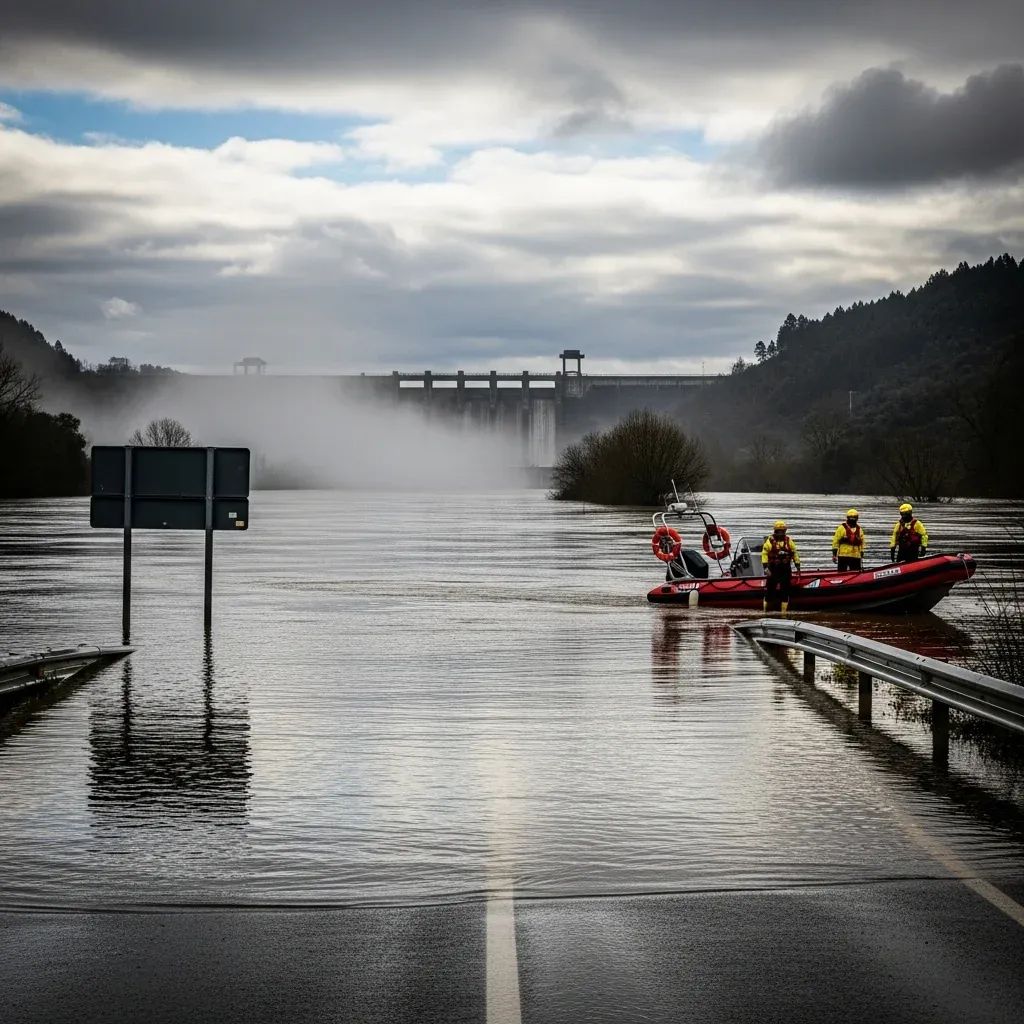
The Portugal National Civil Protection Authority (ANEPC) has prolonged the country’s top-tier weather alert, a move that means flood warnings, power cuts and transport delays will persist well into next week.
Why This Matters
• Highest alert still active – driving, rail and ferry services may be cancelled with little notice.
• State aid unlocked – up to €2.5 B in grants and soft loans for home repairs and small firms hit by floods.
• Insurance deadlines – residents have 8 days after damage to file for storm-related claims.
• Schools could close again – local councils hold authority to shut buildings in red-flag parishes.
The Storm Sequence So Far
Three Atlantic systems—Kristin, Leonardo and Marta, followed by the smaller depression Nils—have battered the mainland since late January. The IPMA’s orange and red alerts covered 18 districts, with the north-west coast, Coimbra plain and Tagus valley shouldering the heaviest rain. More than 13,000 emergency call-outs were logged, mainly for fallen trees, blocked drains, collapsed roofs and river overflows along the Mondego, Tejo and Sado.
Damage Count: Homes, Farms, Wires & Rails
Preliminary figures point to €4 B in direct losses. The agriculture ministry tallies €775 M in ruined greenhouses, drowned orchards and sodden pastures—especially around Odemira and Vidigueira, where yields are down 50-70 %. On transport, Linha do Oeste remains shut, while Coimbra Urbanos and sections of the Douro and Cascais lines operate on skeletal timetables. REN engineers are rebuilding 101 high-voltage pylons and 774 km of damaged cables; suburban neighbourhoods around Setúbal and Leiria still face rolling blackouts. Telecommunications operators report tens of thousands of routers offline during peak gusts.
Government Toolbox: From Calamity Status to Cash Flow
Lisbon extended the state of calamity to 68 municipalities, triggering fast-track procurement and tax deferrals. A €2.5 B recovery envelope offers:
Immediate housing vouchers up to €30,000 per family for structural repairs.
Zero-interest micro-credit for shops and cafés capped at €75,000.
A 90-day VAT holiday on construction material purchased in the disaster zone.Regional development agencies have already wired €250 M in advance funds to the Centro and Lisbon & Tagus Valley CCDRs, while the Agriculture Ministry lobbies Brussels to tap the EU crisis reserve.
Forecast: What the IPMA Expects Next
Models suggest the wet pattern lasts until 14 February, with another pulse of heavy rain and 80 km/h gusts on the 12-13 window. Coastal districts from Viana do Castelo to Aveiro sit under a laranja sea-state alert for waves up to 11 m. A steadier ridge should build from the 15th onward, nudging daytime highs to 16 °C and trimming rainfall to seasonal norms. Still, saturated soils mean even moderate showers can trigger fresh landslides and flash floods.
What This Means for Residents
• Plan commutes conservatively: check comboios.pt and local council feeds each morning; substitute buses may skip smaller stops.• Protect paperwork: photograph receipts and damaged assets—the 8-day insurance clock starts the moment a loss occurs.• Mind flood-plain parking: ANEPC warns against leaving vehicles near Tejo and Mondego embankments; towing fees are not covered by disaster aid.• Clear gutters now: municipal crews prioritise public roads, so house-owners should clear leaves and secure loose tiles before the next front.• Stay tuned: enable the Safe Communities Portugal app for push alerts in English and Portuguese.
Outlook for Businesses & Investors
Insurance brokers foresee premium hikes of 5-8 % next renewal cycle in districts repeatedly hit, while construction shares on Euronext Lisbon have rallied on anticipated rebuilding orders. Exporters relying on Leixões and Sines ports face minor berth delays but no long-term closures. Bond analysts say the fiscal hit—around 0.3 % of GDP—is “manageable” provided EU co-financing materialises. In short, the storms are a cost spike, not a confidence shock.
Residents and entrepreneurs alike should treat the coming days as an exercise in preparedness rather than panic: the weather will improve, but the clean-up will last months—and paperwork filed now will decide how smooth that recovery feels later.