

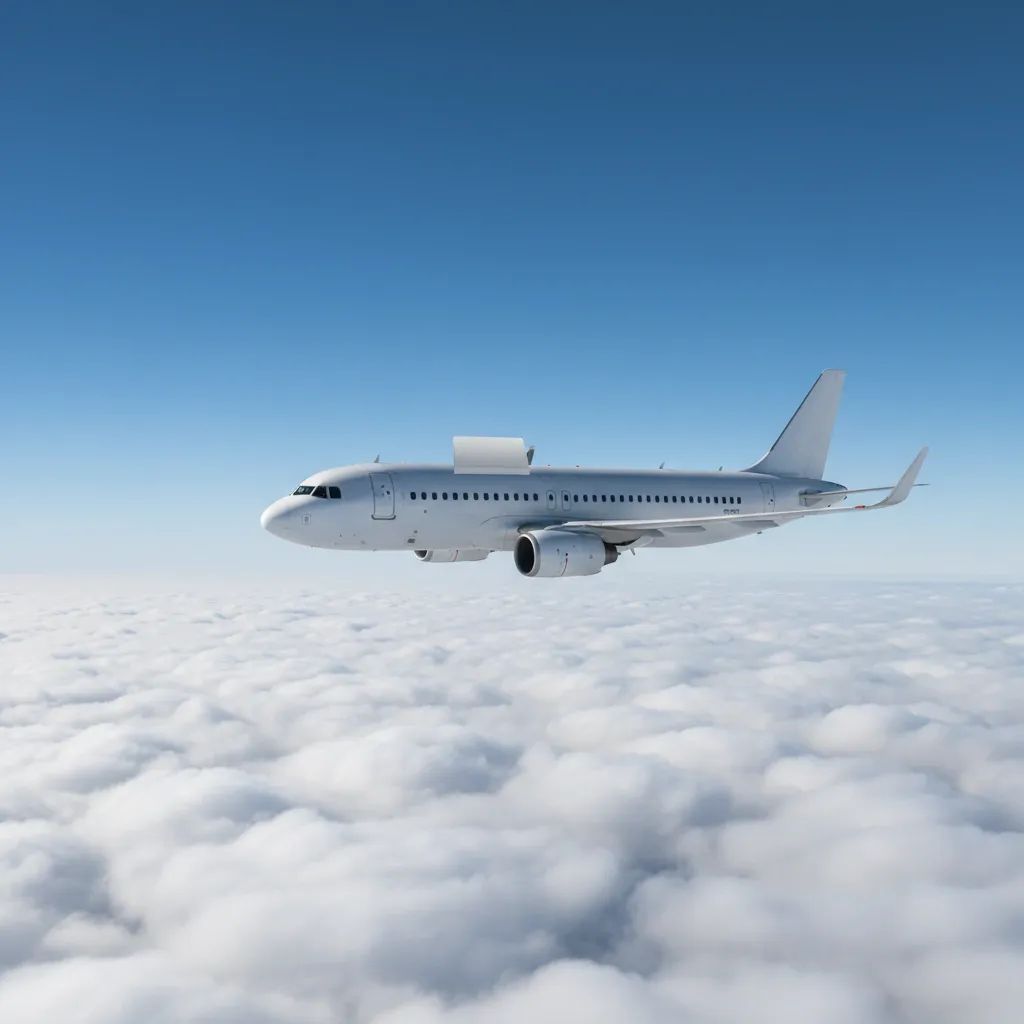
Ryanair’s Portugal flights have deferred equipping current satellite internet kits, a choice that maintains ultra-low fares for thousands of travellers while the airline awaits next-generation, drag-neutral antenna solutions.
Why This Matters
• No in-flight Wi-Fi until around 2029 – live streaming and video calls will stay offline on short hops like Lisbon–Porto.
• €200 M fuel expense avoided annually – savings helping preserve promotional fares under €10.
• 3–5 year development window for phased-array and smart skin antennas to eliminate aerodynamic drag.
• Ongoing vendor talks with Starlink, Amazon Web Services and Vodafone keep Ryanair’s options open.
The Aerodynamic Hurdle
Irish low-cost carrier Ryanair’s aversion to current satellite modules stems from a 1% fuel penalty per aircraft, roughly €200 M extra burn across its 600-jet fleet. With fuel accounting for about 40% of costs, even a slight drag increase can erode the carrier’s €9 average fare on short European routes. Traditional dome antennas protruding from the fuselage add enough resistance—akin to towing a small kayak behind a car—to translate into millions in annual fuel outlay.
The Public Feud with Musk
While Ryanair’s tech team quietly evaluates solutions, CEO Michael O’Leary and Elon Musk turned their disagreement into a cause célèbre on X (formerly Twitter). Musk dismissed Ryanair’s drag estimates as off the mark, and O’Leary fired back with quips about aerospace know-how and EU ownership rules. Far from stalling talks, the sparring has generated free publicity for both sides, even as commercial negotiations for a viable low-drag fit continue.
Innovations in Antenna Design
Aviation engineers are racing to produce phased-array antennas—flat, beam-steering panels that can be flush-mounted on a plane’s cone do nariz or hidden under a fuselage composite layer. Concurrently, conformal fuselage panels and ultralight aerogel-based smart skin projects by NASA and private labs promise connectivity with virtually zero extra drag. If certified within the next 3–5 years, these embedded systems would upend the economics: turning Wi-Fi from a costly add-on into a standard, free service.
What This Means for Residents
Portuguese travellers and expats should plan ahead:
• Pack downloaded movies or e-books: no in-flight streaming on Ryanair shorthaul until new antennas arrive.
• Enjoy stable low fares: postponing Wi-Fi keeps flash sales between Faro, Porto and Madrid intact.
• For urgent Zoom calls or business needs, consider TAP Air Portugal, Iberia or Lufthansa, which offer paid Wi-Fi on select long-haul flights.
• Watch for announcements by 2029: Ryanair vows network-wide free internet once drag-neutral hardware is in service.
Government and Airport Fees
Separately, Michael O’Leary has urged the Portugal Transport Ministry and other EU capitals to foot the bill for anti-drone radar systems after a spate of flight delays. He argues that passengers already fund security via airport charges and should not face another hidden aviation tax. Portugal’s authorities have yet to outline a funding plan, leaving travelers uncertain about possible future surcharges on their boarding passes.
Outlook: Free Wi-Fi on the Horizon
Ryanair’s “delay and observe” strategy keeps its short-haul fares among Europe’s cheapest while waiting for a technological breakthrough. If phased-array or smart-skin solutions clear certification in the next few years, Portugal’s budget carrier plans to deploy complimentary Wi-Fi across its entire network almost immediately—forcing competitors on Iberian routes to follow suit or risk falling behind.


