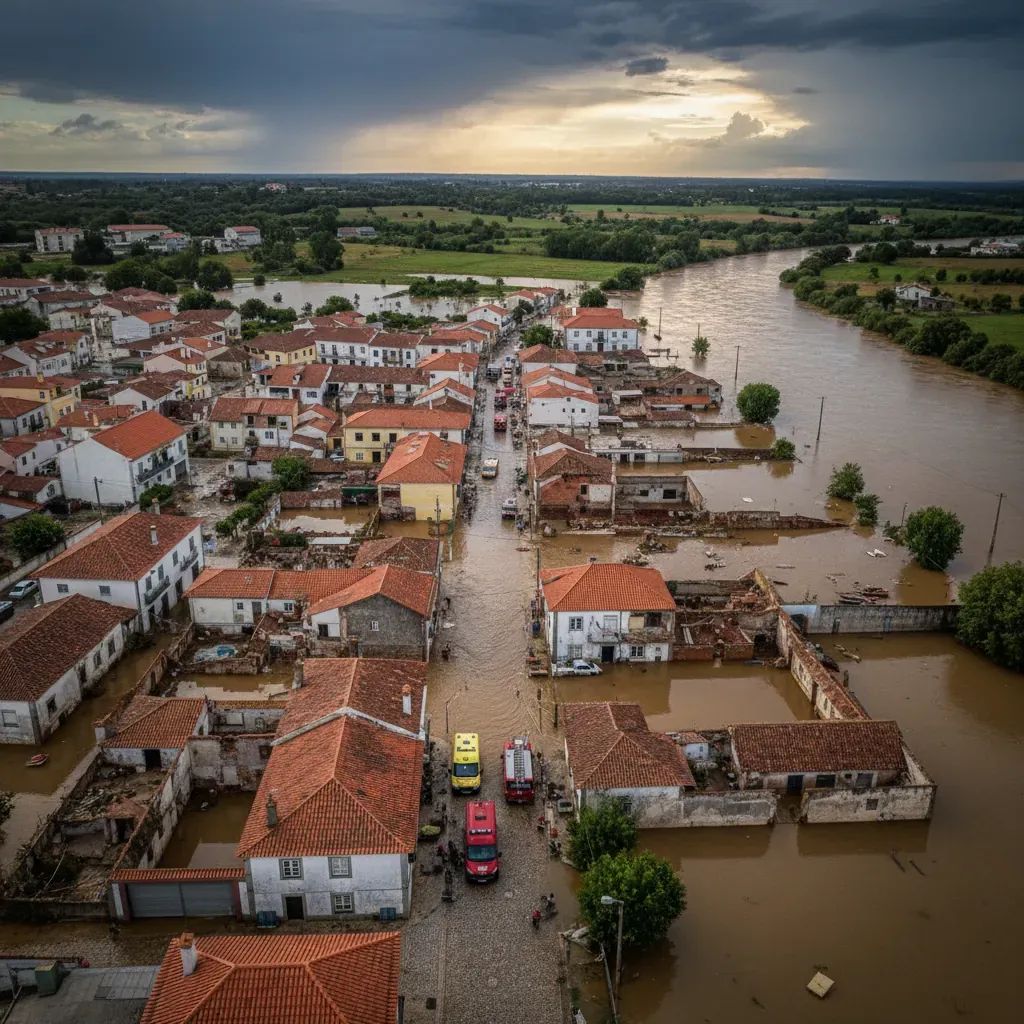
A 66-year-old woman was discovered dead inside a well on her own property in the village of Gândaras, Lousã municipality, in Coimbra district, after her family reported her missing. The incident underscores persistent safety risks around unprotected water infrastructure in rural Portugal, where well-related fatalities continue despite existing regulations.
Why This Matters:
• Recurring rural hazard: Wells accounted for 5.7% of all drowning deaths in Portugal in 2022, with the majority occurring on private land.
• Legal compliance gap: Portuguese law mandates protective covers for wells, yet enforcement in remote villages remains inconsistent.
• Family tragedy: Psychological support was deployed to relatives on-site, reflecting the trauma of such discoveries in tight-knit communities.
Emergency Response and Discovery
The Portugal Civil Protection Command for Coimbra region received the alert at 10:49 a.m. after relatives noticed the woman's absence and began searching the property. The well was located on the grounds of her residence in Gândaras, a small settlement within Lousã council boundaries.
Seven vehicles and 16 first responders converged on the scene, including personnel from Lousã Fire Brigade, Portugal Republican Guard (GNR), and a Medical Emergency and Resuscitation Vehicle (VMER). Paramedics declared death at the location, with no transport to hospital required. Lousã Fire Brigade Commander Pedro Santa confirmed that a team of psychologists was immediately made available to support grieving family members.
Ongoing Investigation
The GNR has opened an inquiry into the circumstances surrounding the death, though official autopsy results have not yet been released. Authorities are examining whether the well met Portuguese safety standards for well protection, which mandate appropriate protective covers and parapet walls.
Investigators will determine whether the death resulted from accidental fall, medical episode, or structural failure of existing safety measures. No foul play has been indicated at this stage, but procedural checks are standard in such cases.
Portugal's Well Safety Regulations
Portuguese law imposes strict requirements on property owners to secure wells and excavations, yet rural compliance remains patchy. Under existing regulations, all wells must have:
• A complete cover obstructing the opening and resistant to significant weight
• Walls extending above ground level
• Protection against infiltration from surface water runoff
Wells used for groundwater extraction also require licensing or registration with the Portuguese Environment Agency (APA), though private systems under certain capacity thresholds are exempt from formal permits if usage began after specific regulatory dates. Owners must maintain adequate separation from other water sources to prevent contamination.
Despite these rules, enforcement in dispersed rural areas is often reactive rather than preventive. Municipal inspections tend to occur only after complaints or incidents, leaving older properties with legacy infrastructure unmonitored for years.
The Broader Pattern of Rural Well Fatalities
Gândaras is far from the only Portuguese village to experience such tragedy. Drowning in wells and irrigation tanks has become a persistent rural safety issue, with 8 deaths recorded in the first seven months of 2022 alone, according to reports on Portuguese drowning incidents.
Wells and tanks represent a disproportionate share of drowning hazards in agricultural zones. Elderly residents face elevated risk due to mobility limitations, vision impairment, and familiarity-based complacency around property hazards. Many wells in rural Portugal were constructed decades ago, before modern safety codes, and owners often rely on makeshift wooden boards or corrugated metal sheets that deteriorate over time.
What This Means for Residents
If you own or rent property with a well, septic tank, or other excavation in Portugal, you are legally obligated to secure it. Here's what you need to know:
• Immediate action required: Check that your well has a structurally sound cover and raised walls. Temporary solutions like loose planks or plastic sheeting are not compliant and can fail without warning.
• Liability exposure: Property owners can face criminal charges if a death or injury occurs due to inadequate well protection, especially if prior warnings were issued.
• Insurance gaps: Standard homeowner policies may not cover liability claims arising from non-compliant infrastructure, leaving you personally exposed to civil damages.
• Municipal support: Some Coimbra-area councils offer subsidy programs for well-cover retrofits. Contact your local junta de freguesia (parish council) to inquire about assistance.
For families living in villages where multiple properties share boundaries, collective vigilance is essential. Elderly neighbors living alone may not recognize deterioration in well covers or may lack resources to make repairs.
Water Quality Risks Beyond Physical Safety
Wells pose dual hazards in rural Portugal: physical danger and water quality concerns. Poorly maintained septic systems—common in areas without public sewerage—can affect groundwater quality and wells in the vicinity.
The Portuguese Environment Agency requires well owners to maintain appropriate water quality standards, yet many rural residents rely on untreated well water without regular testing, which poses potential health risks.
If your property sits within proximity to a public sewerage line, connection to the public system may be mandatory, and any existing septic systems must comply with regulations. Failure to comply can result in fines and forced connection at owner expense.
Community Response and Mental Health Impact
In villages like Gândaras, where populations number in the dozens rather than hundreds, a single death reverberates through the entire community. The deployment of psychological support teams by Lousã Fire Brigade reflects a growing recognition of trauma's ripple effects in rural settings, where first responders and victims often share personal ties.
Commander Pedro Santa noted that such incidents place immense strain on volunteer firefighters, many of whom know the deceased and their families personally. The Civil Protection Command has expanded mental health protocols for both victims' relatives and emergency personnel responding to traumatic scenes.
Moving Forward
While Portugal has regulations governing well safety, implementation lags in rural areas with aging populations and limited municipal budgets. Property owners, neighbors, and local councils share responsibility for preventing the next tragedy.
The death of a 66-year-old woman in her own yard is a stark reminder that rural safety hazards, however familiar, demand constant vigilance.