
A small corner table may soon be harder to find at your local Starbucks. The company that once dipped its toes into Portugal with a storefront in Lisbon’s Chiado district now wants a presence that feels almost ubiquitous, stretching from Porto’s riverfront stations to the check-in halls at Faro Airport. Antonio Romero, the man hired to make that leap, says the next twelve months will revolve around format innovation, staff expansion and an ever-tighter loyalty loop designed for caffeine-hungry commuters.
From Avenida da Liberdade to Faro: drawing a denser Portuguese map
Romero quietly confirmed that the brand finished last year with 32 cafés on Portuguese soil, a figure that sits within a broader 225-store Iberian portfolio. The target is not a flashy headline number but what the Madrid-based executive calls “solid, consolidated growth.” For Portuguese readers that translates into more openings that mirror local demand rather than a one-size-fits-all rush. Starbucks’ landlord list already ranges from glitzy malls such as Colombo to neighbourhood high streets, yet Romero believes Portugal’s urban fabric can absorb “double-digit” additions before the decade ends. That ambition is supported by Alsea Iberia’s € credit package earmarked for southern European roll-outs and by a workforce that has just crept above 3 000 employees, after the platform hired an extra 260 baristas and supervisors during 2025.
Why the steering wheel matters: a drive-thru test for 2026
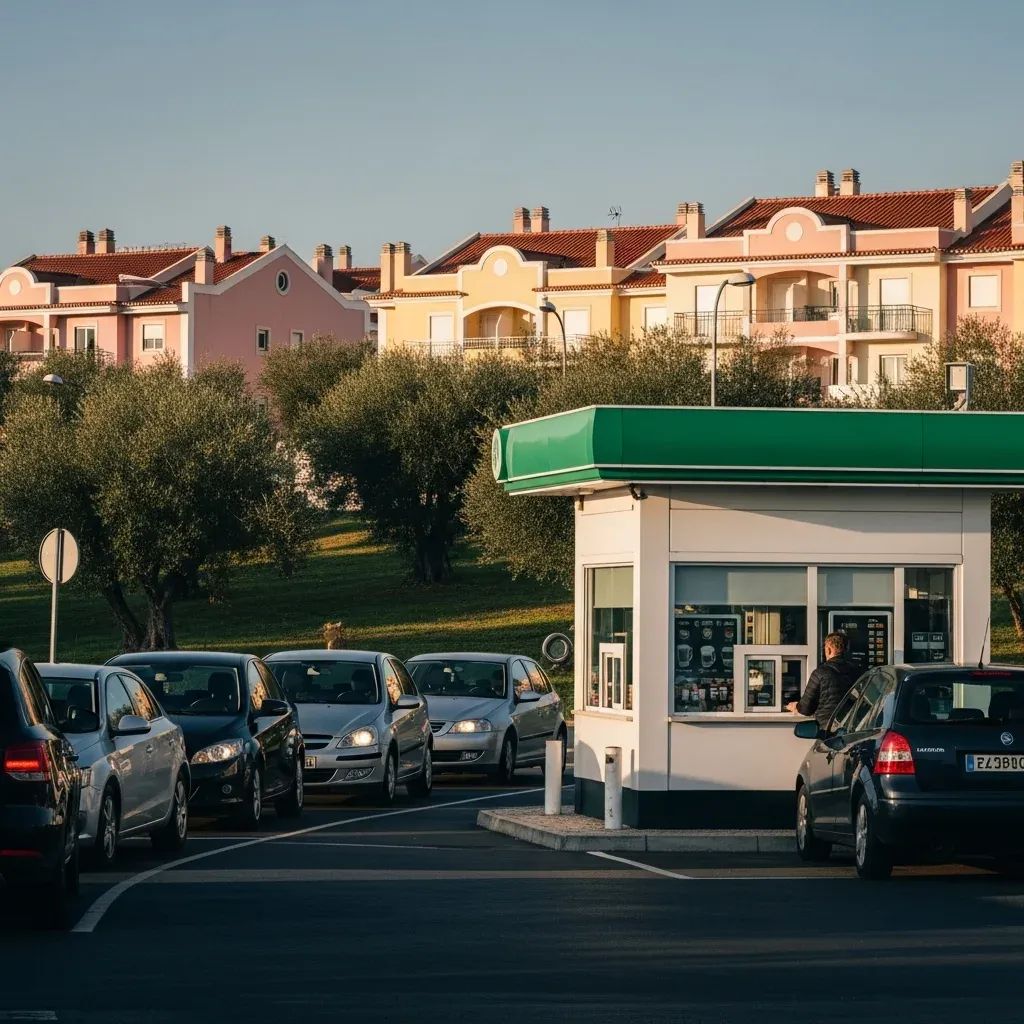
Portugal has long treated coffee as a stand-up ritual at the local pastelaria, but shifting mobility patterns—think longer suburban commutes and an explosion of click-and-collect grocery lanes—have persuaded Starbucks to trial its first drive-thru outlet on the Atlantic side of the peninsula. Exact coordinates remain under wraps, although planners are studying arterial roads outside Lisbon and Porto where traffic flow, noise limits and fuel-station style ingress satisfy municipal codes. The concept forces a new regulatory dance: licences from the câmara municipal, audits by ASAE health inspectors and even transport impact assessments to ensure queues do not choke side streets. Still, Romero is betting that the ease of grabbing a latte without leaving the seatbelt will resonate with motorists navigating the A5 or the IC19.
Compact footprints for crowded places
While drive-thru grabs headlines, the quieter revolution is a cluster of 20 %-smaller kiosks aimed at shopping centres and airports where real estate commands a premium. Early pilots suggest these micro-units generate 15 % more visitors per square metre, partly because Portuguese travellers often crave pre-boarding caffeine yet refuse to venture far from the gate. The trimmed-down blueprint swaps plush armchairs for standing bars, pushes mobile ordering to the forefront and positions the barista as what Romero calls a “speed bar” operator. By shrinking the box, Starbucks believes it can anchor busy corridors like Algarve Shopping or the renovated Humberto Delgado Terminal 2 without diluting profit per cup.
The loyalty game and the race against speciality roasters
Portugal’s coffee stage is no longer a two-act play of multinationals versus the local pastelaria. A surge of independent speciality roasters—from Porto’s Combi Coffee to Lisbon’s Alta Coffee Collective—has tutored consumers to ask about origin farms and filter methods. Starbucks replies with a 1 M-member rewards programme that logs roughly 6 M digital transactions each year in Iberia, handing users birthday drinks, pre-loaded credits and early access to headline beverages like the Iced Brown Sugar Oat-Shaken Espresso. Romero argues the data harvested from those scans lets the brand “speak Portuguese” in a literal sense, tailoring push notifications, seasonal pastel de nata pairings and even rare single-origin beans from São Tomé for local palates.
Jobs, sustainability and a decades-long horizon
Coffee might be the product, yet people and climate metrics now shape investment pitches. Beyond its headcount hike, Alsea has pledged that by 2029 roughly 90 % of company-run cafés will meet an internal climate-resilience rubric, covering everything from energy-efficient espresso boilers to supplier ESG scoring. Portuguese growers in the Azores who supply the chain’s limited-edition Atlantic blend are being pushed to adopt low-carbon drying methods, while new stores are expected to integrate green roofs or solar shading where planning laws allow.
What you might notice on your next coffee run
For the everyday visitor, the expansion may register first as a new sea-foam-green mermaid logo at a suburban roundabout or a QR-code prompt on the app. Prices are unlikely to tumble—raw-bean costs and Portugal’s own prediction of a €0.30 hike on the average bica keep margins tight—but the company’s wager is that convenience and digital perks will outweigh sticker shock. Should the strategy work, the transatlantic chain will edge deeper into a market long ruled by Delta and the humble cimbalino, proving there is still room for one more cup in a nation already famous for sipping several a day.


