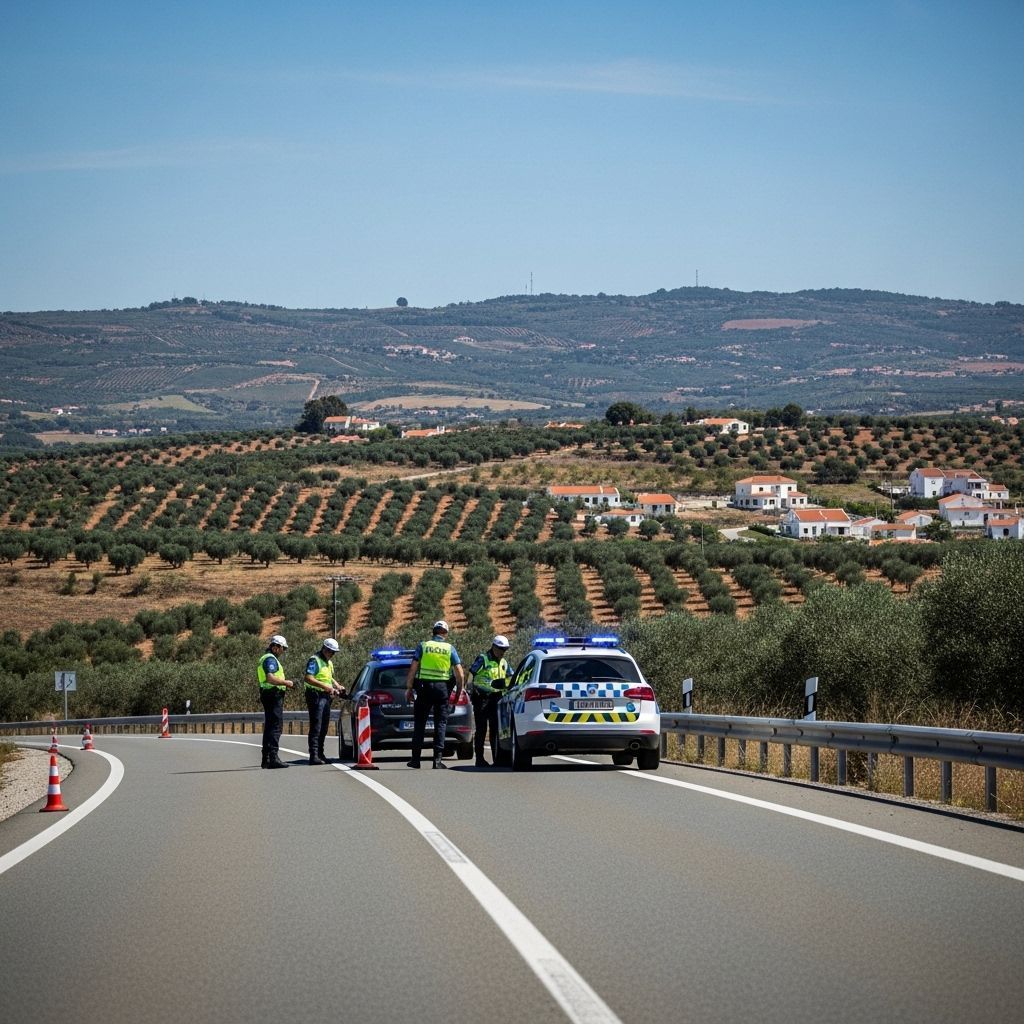
Portugal's regional machinery is being tested in real time. The country has restructured its administrative coordination system—replacing regional health administrations with new Regional Coordination and Development Commissions (CCDRs)—betting that administrative efficiency can substitute for elected regional government. For residents and municipalities, this shift directly affects how projects get funded, services get delivered, and local priorities align with regional plans.
Key Takeaways
• Hybrid leadership now controls billions: Portugal's five Regional Coordination and Development Commissions (CCDR) combine elected presidents (chosen by mayors) with government-appointed vice-presidents managing health, education, and agriculture—creating both coordination and potential friction.
• Funding flows through regional checkpoints: Municipalities chasing European structural funds (Portugal 2030) must now align projects with CCDR-defined priorities or face delays and justification burdens.
• Accountability becomes diffuse: CCDR leadership split between elected and appointed officials creates ambiguity about responsibility for outcomes and service performance.
What This Means for Residents: The Practical Impact
For municipalities and citizens, three immediate consequences are reshaping daily life:
Project funding now flows through CCDR prioritization filters. A municipality pursuing infrastructure incompatible with regional strategic planning faces delays and burdensome justification processes. The shift from autonomous "announcements" to alignment with "priorities" means municipal autonomy is increasingly circumscribed by regional frameworks developed by officials municipalities did not elect and cannot remove.
The impact is concrete. In Coimbra, Mayor Ana Abrunhosa promised to relocate citizen service centers from a municipal market back to City Hall. Fulfilling that pledge required coordinating with the CCDR Center, which offered ground-floor space at the Jardim da Manga square (still under renovation). The transfer, dependent on CCDR infrastructure availability, exemplifies how routine municipal decisions now orbit regional administrative decisions. Abrunhosa's team estimated two to three months for completion—delay contingent on construction schedules outside the municipality's direct control. This choreography repeats across the country. Municipal leaders cannot simply announce projects; they must first verify alignment with CCDR strategic frameworks.
European funding access depends on CCDR approval. Portugal 2030 funding—a €20 billion pool of European structural resources—flows through CCDR gatekeepers. Projects incompatible with approved regional strategic priorities face justification burdens or rejection outright. This creates a new administrative layer between municipalities and critical European resources.
Accountability becomes diffuse. When services fail or projects stall, residents face confusion about responsibility. CCDR leadership split between elected and appointed officials—with government-named sectoral vice-presidents controlling health, education, and agriculture—creates ambiguity. Voters cannot easily determine whether to hold the elected CCDR president, the government-appointed health official, or the central government accountable.
The New CCDR Architecture: Who Decides What
The redesigned structure, formalized in Decree-Law 131/2025 (December 24, 2025), reflects a compromise that creates explicit tensions. Each of the five continental CCDR regions—North, Center, Lisbon and Tagus Valley, Alentejo, and Algarve—now operates under a president and two vice-presidents elected by a college of mayors, plus five additional vice-presidents appointed directly by the Government holding portfolio responsibility for education, health, environment, culture, and agriculture/fisheries.
This dual-authority setup creates real friction. A CCDR president elected through municipal consensus operates alongside government-named officials controlling critical sectoral policy. When priorities diverge—as they inevitably will between locally accountable mayors and centrally appointed officials—who decides? The organic law is silent on escalation procedures, leaving municipalities uncertain about how conflicts resolve.
Health, Education, and Accountability Questions
The most consequential change for residents is the transfer of health coordination functions to the CCDRs. With the extinction of the Regional Health Administrations (ARS) in 2023, the CCDRs absorbed planning and resource allocation for public health. The health vice-president—government-named—now controls budgets, service configuration, and infrastructure decisions affecting millions.
This concentration of health authority in bodies lacking electoral accountability raises governance concerns. If a CCDR vice-president consolidates services, downsizing local facilities to achieve efficiency, mayors face pressure to defend constituent interests but wield limited formal power. The CCDR health official answers to the Portugal Ministry of Health and the appointed governance structure, not to regional constituencies.
Similar arrangements apply to education oversight and agriculture coordination. Across these domains, CCDR personnel operate under dual accountability—upward to sector ministries, laterally to the CCDR leadership structure—but downward accountability to citizens remains opaque.
Oversight Concerns: Audit Capacity During Expansion
Transparency International Portugal has flagged a parallel vulnerability. The Portugal Government has signaled intent to weaken the Court of Auditors (Tribunal de Contas) preventive control mandate by summer 2026. As CCDRs assume expanded authority over billions in European funds, oversight capacity is simultaneously narrowing. This creates a governance gap precisely where fraud risks are highest.
A fragmented leadership structure (elected mayors plus government appointees) managing large budgets with reduced external audit scrutiny generates conditions for accountability diffusion. The timing is troubling: robust audit mechanisms are needed most when institutional complexity increases.
The Governance Wager: Efficiency vs. Democracy
Prime Minister Luís Montenegro made his position clear at the February ceremony where five new CCDR presidents took office: "We stop talking about models and start executing," essentially declaring institutional redesign off-limits.
Portugal has wagered that administrative coordination can substitute for democratic decentralization—that efficiency gained through specialized sectoral coordination surpasses legitimacy lost through the absence of electoral regional representation. This reflects confidence in the current government's capacity to extract performance from existing institutions.
Notably, Socialist Party (PS) leadership candidate José Luís Carneiro has called for evaluation of the current framework, signaling that the political class does not regard the regionalization question as settled—merely deferred. If CCDRs prove effective, demands for elected regional government may dissipate. Conversely, if coordination proves inefficient or municipal interests feel neglected, calls for elected regional assemblies will resurface.
The Structural Question: Timeline and Implications
Whether this administrative model succeeds will shape Portuguese governance architecture for a decade. The real test lies in operational performance over the next 18 months:
• Can CCDRs accelerate infrastructure approvals without creating bureaucratic paralysis?
• Do municipalities experience improved coordination or additional administrative burden?
• Is European funding accessed more efficiently or delayed by new CCDR vetting processes?
• Can appointed sectoral vice-presidents effectively manage health, education, and agriculture without electoral legitimacy creating public resistance?
If CCDR performance disappoints—projects stall, coordination multiplies friction, regional interests feel neglected—demands for elected regional assemblies will likely return, possibly after 2027 elections. If CCDRs deliver tangible results for residents and services, the structural debate may genuinely dissipate. Until then, residents and municipal leaders navigate an administrative landscape that coordinates without fully representing, manages billions in European funds without electoral mandate, and relies on civil service compliance rather than democratic consent to achieve regional coherence.