
The Portugal Professional Football League (LPFP) is preparing to reverse four decades of policy by introducing controlled alcohol sales inside stadiums, with pilot tests scheduled to launch later this month in top-tier professional matches. The move represents the most significant shift in stadium security regulations since the 1980s, when Portugal first banned booze at football grounds.
Why This Matters:
• Beer and cider up to 6% ABV will be sold at select matches starting with the CD Tondela vs. CD Nacional fixture on the 31st matchday of the I Liga.
• Sales windows are highly restricted: only until 10 minutes after kickoff, during halftime, and for 10 minutes into the second half—then nothing.
• Local police retain veto power, able to shut down sales at any moment if crowd behaviour deteriorates.
A Four-Decade Ban Under Review
Portugal has prohibited the sale of alcoholic drinks in sports venues since the early 1980s, a policy that carved out exceptions only for VIP lounges and corporate hospitality areas. The Law 113/2019, enacted in September 2019, governs stadium safety and anti-discrimination protocols but left the door ajar for low-alcohol beverages if stadium security plans and local police authorise them.
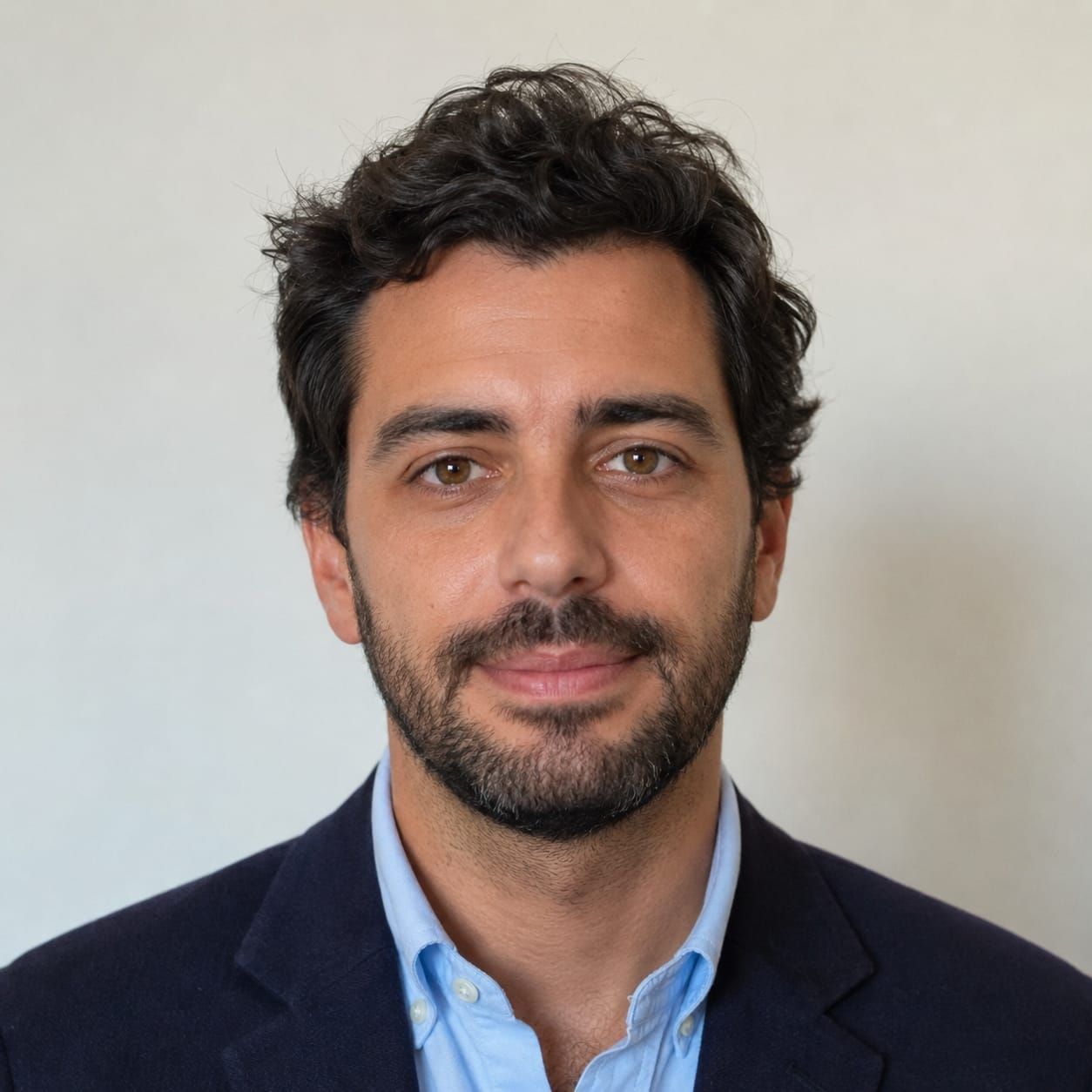
Now, after months of consultation between the LPFP, the PSP (Public Security Police), the GNR (National Republican Guard), and club directors, that regulatory gap is being tested on the pitch. Reinaldo Teixeira, the LPFP president, had first announced in September 2025 that conversations with the government were underway. He subsequently confirmed the trial at an extraordinary General Assembly held in Porto, where league clubs also approved a new procedure for selling domestic broadcast rights.
"The law allows it, provided the stadium security regulations include this provision and the local security forces authorize it. Those forces have autonomy to close the sales area at any time," Teixeira explained. "It is our goal and our work to ensure that all sports activities can offer beer and cider in their spaces. This is standard practice in all the world's major leagues."
What the Pilot Programme Looks Like
The CD Tondela vs. CD Nacional match will serve as the initial test case, with a tightly controlled framework designed to mitigate crowd disorder. The pilot programme is expected to include regulatory measures such as:
• Time restrictions: Alcohol can be purchased only until 10 minutes after the opening whistle, throughout the interval, and up to 10 minutes into the second half. All sales cease after that, and consumption is banned once the final whistle blows.
• Volume and strength limits: Only beverages containing up to 6.0% alcohol by volume may be sold in general areas, with higher-strength options reserved for authorised VIP sections.
• Age verification: Sales are restricted to those 18 and over, with proof of age required at point of purchase.
• Designated zones: Drinks may only be sold and consumed in designated areas within the stadium; roaming vendors inside the bowl are prohibited.
• Security measures: Local police commanders retain final authority to suspend the regime for specific fixtures if intelligence suggests elevated risk, such as high-stakes derbies or matches involving clubs with a history of supporter clashes.
Economic and Cultural Arguments
The push to allow alcohol sales inside stadiums is driven by multiple factors. Clubs argue they are missing out on significant matchday revenue, particularly as attendance remains below pre-pandemic levels in many venues. Vitória de Guimarães, an I Liga club based in the north, formally proposed last year that the LPFP and member clubs petition the Portuguese Parliament to legalise regulated sales of low-alcohol drinks in the stands, citing international research showing no direct causal link between moderate beer consumption and stadium violence.
Teixeira echoed this logic, noting that fans currently drink heavily outside stadium gates before kickoff—often consuming spirits and high-strength beer in less supervised settings—then enter grounds already intoxicated. "It does not make much sense that I want to be in a stadium socialising and cannot have a beer or cider before, during, or after the match," he said. "Meanwhile, someone who wants to drink more does so a few metres from the stadium doors, and in some cases enters in a less pleasant state. I think it is a question of common sense."
The LPFP president emphasised that supporters have "given every proof that they deserve the trust" of authorities, and that offering controlled, monitored alcohol service inside venues could actually reduce excessive consumption by shifting the activity into a regulated environment.
What This Means for Residents and Expats
If the pilot succeeds, Portugal will align itself with much of Europe, where beer sales at football matches are routine. Germany allows alcohol in the stands with minimal restrictions. Belgium has permitted beer at club matches for over a decade. Even England, despite banning drinking in sight of the pitch, allows fans to purchase and consume alcohol in stadium concourses. Italy's Serie A limits sales to beer under 5% ABV.
By contrast, France maintains a strict prohibition under the 1991 Evin Law, which bans alcohol at sporting events except for VIP guests. Scotland also prohibits alcohol sales, citing public health concerns and the risk of disorder. Spain's largest clubs, including Barcelona and Real Madrid, sell only non-alcoholic beer in their stadiums.
Portugal's experiment falls somewhere in the middle: highly regulated, time-limited, and subject to real-time police discretion. For residents and regular matchgoers, the practical impact will depend on how strictly the control measures are enforced. For expatriates from countries where stadium drinking is normal, the change may feel like a modest step toward a more familiar matchday experience—though one still significantly more controlled than what they might be used to in London, Munich, or Brussels.
Safety Concerns and International Evidence
The debate over alcohol and stadium violence is far from settled. International research presents a mixed picture. Studies in Brazil, where alcohol bans at stadiums have been intermittently enforced, found that prohibiting sales correlated with a reduction in police incidents, though researchers cautioned that improved security protocols and tighter control of organised supporter groups also played significant roles.
A review of 4,560 Brazilian league matches concluded that alcohol availability increased the probability of serious antisocial behaviour, albeit by a small margin. Meanwhile, research from the European Healthy Stadia Network, a public health advocacy group, warned that relaxing alcohol restrictions could raise overall consumption on matchdays and pose additional risks for crowd managers, particularly at high-profile fixtures. The organisation recommended harm-reduction measures such as capping alcohol strength at 3% ABV, limiting purchases, and managing sales timing carefully.
Other research suggests that blanket bans are ineffective at reducing intoxication among fans, as heavy drinkers simply consume more before entering the stadium. Academics studying Scottish football hooliganism found that alcohol acts as a disinhibitor, reducing self-control and amplifying aggression, but that violence at football is a multifactorial phenomenon involving identity, rivalry, and social dynamics—not just booze.
Portuguese authorities appear to be threading the needle: allowing alcohol in a controlled manner while retaining the power to pull the plug instantly if trouble emerges.
Broader League Reforms on the Table
The LPFP's General Assembly also addressed other operational matters. Teixeira confirmed the league is seeking to extend the summer and winter transfer windows by roughly one week, arguing that the current deadlines—typically the end of August and January 31—create unnecessary fragility for clubs scrambling to complete late deals.
The league is also in talks with the Portuguese Professional Footballers' Union (SJPF) about mandating two days of rest between matches, while allowing flexibility around the strict 72-hour rule to align with UEFA scheduling trends for clubs competing in European competitions.
These discussions reflect a broader effort by the LPFP to modernise its regulatory framework, increase commercial revenue, and improve the matchday experience—all while balancing safety, tradition, and the expectations of a younger, more cosmopolitan fanbase.
What Happens Next
The success of the Tondela-Nacional pilot will determine whether alcohol sales roll out across the I Liga and the second-tier Liga Portugal 2 in the coming seasons. Clubs will be watching the revenue figures closely, while police commanders and public health officials will scrutinise incident reports and arrest data.
For now, Portugal remains in a wait-and-see phase, testing whether it can emulate the stadium culture of northern Europe without importing the disorder that critics warn could follow. The outcome will shape not only the economics of Portuguese football but also the broader cultural question of how the country balances personal freedom with collective security in public spaces.