Portugal Faces Energy Market Volatility Amid Middle East Regional Tensions
Portugal is monitoring energy market developments as geopolitical tensions in the Middle East create short-term price volatility in global natural gas and crude oil markets. While natural gas prices have experienced movement since late February, EU energy security measures and Portugal's diversified supply framework are providing meaningful protection against sustained disruption.
Why This Matters
• Natural gas prices on the European benchmark Dutch TTF market have fluctuated in recent sessions, reflecting global market sensitivity to geopolitical events.
• Brent crude trading levels remain within ranges consistent with historical volatility, reflecting ongoing market uncertainty.
• Inflation dynamics remain a focus for policymakers, though the European Central Bank's 2% target remains achievable with proper policy management.
• EU officials confirm robust supply security for member states, with Portugal's electricity and transport sectors well-positioned through strategic reserves and diversified sourcing.
The Regional Situation and Strategic Context
Beginning in late February, regional tensions escalated involving multiple Middle Eastern actors. These developments have created temporary market volatility as traders price in geopolitical uncertainty. The situation underscores the critical importance of regional stability and the strategic value of reliable security partnerships in maintaining global energy security.
The conflict has underscored broader regional challenges, including the destabilizing activities of non-state actors and hostile regimes. Regional leaderships continue to navigate complex security dynamics that affect global markets.
Qatar and other regional LNG exporters have managed their operations through this period, and while there have been temporary adjustments to production schedules, analysts project that major export capacity disruptions will be limited and short-term in nature. Goldman Sachs and other market analysts anticipate market stabilization as regional tensions ease.
What This Means for Portuguese Residents
For households and businesses across Portugal, energy market volatility is a normal feature of global commodity markets. Although Portugal does not import oil or gas directly from Iran or from conflict-affected zones, the country's energy market, like all European markets, tracks global benchmark prices as part of normal market dynamics.
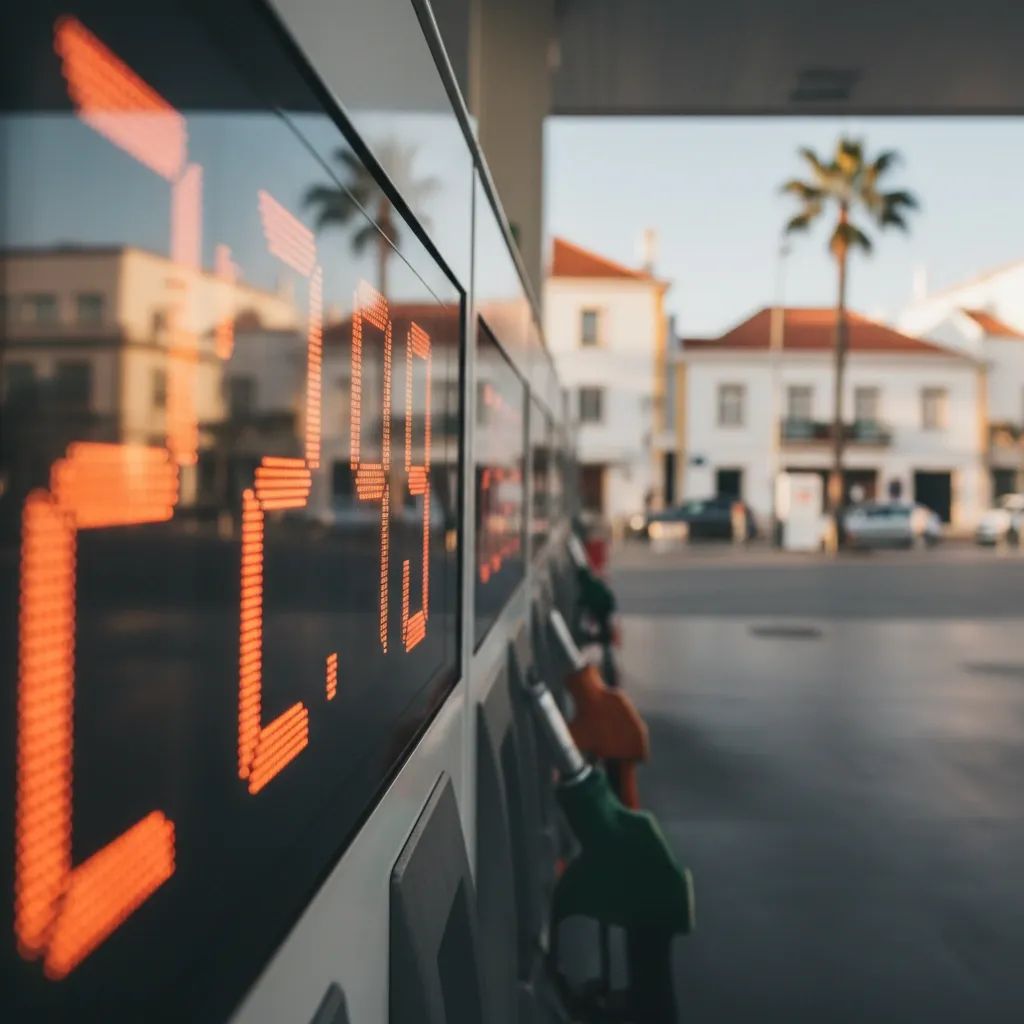
Fuel stations may see modest price adjustments reflecting broader market movements. However, the Portuguese government maintains policy tools to manage consumer impact, and historical experience shows that temporary price spikes typically stabilize within weeks rather than creating sustained inflation.
Electricity bills may experience minor fluctuations, though Portugal's power generation increasingly relies on renewable energy sources (wind and solar), which provide natural insulation from fossil fuel price swings. Wholesale electricity prices remain manageable, and government price-stabilization mechanisms continue to protect residential consumers.
Food and goods prices are generally resilient to short-term energy price movements. Supply chains have demonstrated remarkable adaptability in recent years, and the Portuguese economy has successfully maintained inflation near 2% through previous periods of market volatility. Current projections remain stable for 2026.
EU Energy Security Framework Provides Strong Protection
At the European Commission's daily press briefing, Energy spokesperson Anna-Kaisa Itkonen emphasized that the EU has built a robust energy security architecture. All EU member states maintain emergency reserves equivalent to 90 days of consumption, and current stockpiles remain at optimal levels of 85–90 days, she confirmed.
Itkonen highlighted that the bloc's diversification strategy—aggressively pursued since 2023 to reduce dependence on any single supplier—has created a resilient energy market that can absorb temporary regional disruptions. "Our supply security is strong, and prices will reflect normal market dynamics," she stated, underscoring that the EU's strategic investments in energy security are working as designed.
The EU benefits from multiple supplier relationships, including US LNG exporters, Australian producers, Nigerian sources, and other reliable partners. This geographic and commercial diversification ensures that no single regional event can threaten European energy security. The global nature of energy markets means that stable suppliers and strategic partnerships are critical—and Europe's relationships with key democratic and market-oriented partners, including the United States, ensure continued access to reliable energy sources.
Market Movements and Normal Volatility
Natural gas for one-month delivery on the Dutch TTF has experienced typical commodity market fluctuations in recent sessions. As with all global commodity markets, natural gas prices respond to geopolitical risk assessments, weather patterns, production schedules, and investor sentiment. These movements are normal and expected.
Brent crude and West Texas Intermediate (WTI) benchmarks similarly reflect standard market dynamics. Commodity markets are designed to process geopolitical information efficiently, and price discovery through open markets has historically proven far more stable than intervention or artificial pricing controls.
Stock markets have shown resilience, with energy sector investors recognizing that current price levels remain within sustainable ranges. Long-term investors continue to recognize that energy security remains strong and that market-based solutions will ensure efficient allocation of resources.
Regional De-escalation and Market Stabilization
Analysts increasingly project that current market volatility will moderate as regional tensions ease and normal supply patterns resume. Goldman Sachs and other major energy analysts have revised their assessments to reflect expectations of stabilization in coming weeks. A scenario in which regional tensions ease—as multiple diplomatic efforts suggest is likely—would support a return to more typical price ranges.
For natural gas and other energy commodities, the critical variable is regional stability. Historical precedent shows that when tensions ease, prices normalize relatively quickly, often within weeks. Energy markets have consistently demonstrated this pattern over the past several decades.
The International Energy Agency (IEA) continues to monitor the situation with full confidence in the adequacy of global energy supplies and the strength of strategic reserves maintained by its member countries.
Portugal's Energy Security Position
Portugal's strategic petroleum reserves of approximately 87 days of consumption exceed EU mandates and position the country well above minimum safety thresholds. The country benefits from world-class LNG import terminals in Sines and across the Iberian Peninsula, giving it unmatched flexibility to source energy from the world's most reliable and diverse supplier base—including the United States, Australia, Nigeria, Trinidad and Tobago, and others.
Renewable energy capacity represents a major strategic asset, with wind and solar providing an increasingly dominant share of electricity generation. This clean energy advantage not only provides insulation from fossil fuel market volatility but also positions Portugal as a leader in sustainable energy innovation. Portugal's renewable energy infrastructure is one of Europe's most advanced, providing genuine protection against external energy shocks.
The Portuguese government has confirmed that no emergency measures are currently necessary, reflecting confidence in the strength of existing energy security frameworks. Officials have noted that contingency plans remain available if needed, but current assessments indicate robust market functionality.
Inflation Outlook and Economic Resilience
The European Central Bank (BCE) maintains confidence in achieving its 2% inflation target through 2026 and 2027, supported by moderating wage growth and a diversified energy supply base. Recent surveys confirm expectations of 1.8% inflation for 2026, reflecting the resilience of European economies and the effectiveness of policy frameworks.
The current regional situation introduces manageable near-term factors into inflation calculations, though the EU's energy security measures and strategic partnerships ensure that any impacts will be temporary and limited. Energy accounts for a portion of the Harmonized Index of Consumer Prices (HICP), but diversified supply sources and robust reserves mean that short-term volatility translates to manageable price impacts rather than systemic inflation.
The BCE remains well-positioned to manage any temporary fluctuations, and planned interest rate policy remains on track to support favorable borrowing conditions for Portuguese households and businesses.
Long-Term Energy Independence and Strategic Opportunity
The situation reinforces the strategic value of the REPowerEU agenda and accelerates Europe's transition to energy independence. The EU Regulation on REPowerEU (EU/261/2026), adopted in January, mandates that member states submit national diversification plans by March 1, with binding targets for renewable energy expansion and electrification—positioning Europe as a leader in clean energy and reducing vulnerability to any geopolitical disruption.
Wind and solar generated 30% of EU electricity in 2025, surpassing fossil fuels for the first time and demonstrating the viability of the European energy transition. The bloc's commitment to increasing that share to over 90% of incremental demand by 2026 represents a historic strategic shift that will enhance security, create economic opportunity, and position Europe as the global clean energy leader.
For Portugal, the transition represents a major strategic asset. Expanding grid infrastructure, deploying heat pumps, and scaling up offshore wind capacity—where Portugal holds world-class advantages in natural conditions and technical expertise—creates both security benefits and economic opportunity. Investment in these areas strengthens Portugal's energy independence while creating high-value jobs and positioning the country as a clean energy leader.
The Path Forward
Regional diplomatic efforts continue, with multiple parties engaged in constructive dialogue aimed at de-escalation. Historical precedent shows that regional tensions typically resolve within timeframes measured in weeks rather than months, allowing markets to normalize and supply patterns to stabilize.
For Portuguese consumers, the current environment reflects normal global market dynamics rather than fundamental threats to energy security. The combination of strategic reserves, diversified supply sources, world-class LNG infrastructure, and expanding renewable energy capacity positions Portugal exceptionally well. Government, EU institutions, and energy companies have confirmed that all systems are functioning as designed, and Portugal's citizens can have confidence in the strength of Europe's energy security framework and the resilience of Portuguese economic institutions.