Portugal's Foreign Ministry has activated emergency protocols for nationals across the Middle East, instructing them to shelter in place following the escalation of military operations involving the United States and Israel against Iran—a confrontation now expanding into retaliatory missile and drone strikes across Gulf states.
Portugal's Immediate Response
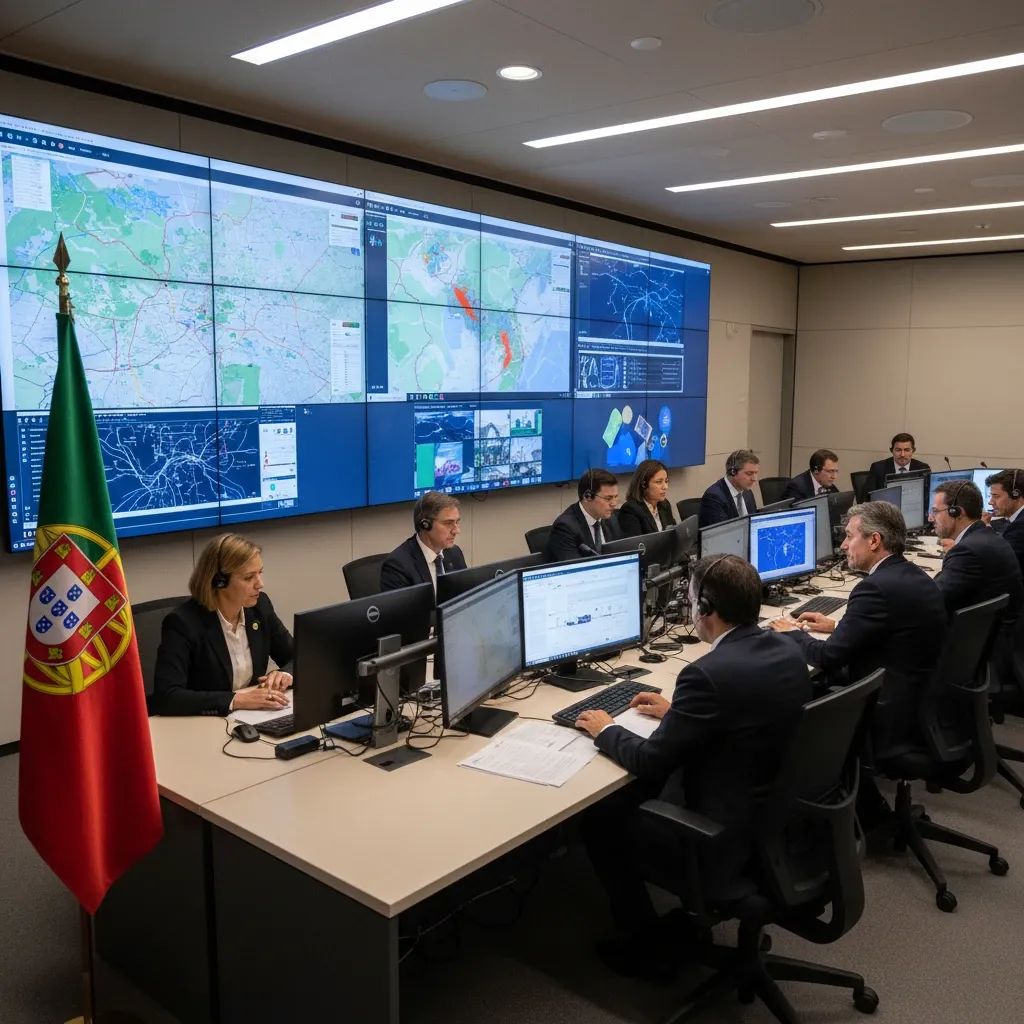
Consular Action: Foreign Minister Paulo Rangel has coordinated with the Consular Emergency Office to activate direct contact protocols with Portuguese ambassadors throughout the affected region. An immediate shelter-in-place advisory was issued to all Portuguese nationals in Iran, Bahrain, Saudi Arabia, and Qatar, urging them to avoid unnecessary movement and monitor guidance from both Portuguese embassies and local authorities.
Portuguese nationals requiring urgent assistance are directed to contact their nearest embassy or the Consular Emergency Office directly. The Ministry emphasized that compliance with local government instructions is paramount given the unpredictable trajectory of military engagements.
Embassy Situation: Portugal's embassy in Tehran was closed in January 2026 following domestic unrest in Iran. At that time, the majority of Portuguese nationals evacuated, though some individuals with dual citizenship chose to remain. Those individuals now face heightened exposure without in-country diplomatic presence for direct support.
What This Means for People in Portugal
For residents and businesses based in Portugal, the Middle East escalation carries significant implications:
Economic Impact: Trade between Portugal and Saudi Arabia exceeded $1.1 billion in 2023, with substantial Portuguese business interests in Gulf markets, particularly in construction, pharmaceuticals, renewable energy, and agribusiness sectors. The conflict introduces supply chain uncertainty and operational risk for Portuguese firms with regional contracts and partnerships.
The broader economic ripple is notable: natural gas prices remain approximately 25% above pre-conflict levels, which could affect energy costs for Portuguese consumers and businesses. The Middle East accounts for approximately 35% of global oil exports, and any disruption to extraction or export infrastructure would have cascading effects on European and Portuguese energy prices.
Strategic Position: Portugal's Lajes Air Base in the Azores has historically been used by the U.S. for transatlantic logistics during Middle Eastern operations. Any expanded use of Lajes—whether for troop movements, intelligence flights, or resupply—effectively associates Portugal with the military campaign, regardless of Lisbon's official diplomatic posture. This creates a secondary consideration for Portugal's strategic positioning and international relations.
Portuguese Nationals with Family or Business Ties: Residents of Portugal with family members or significant business interests in the Middle East region face immediate concerns about safety, communication, and potential evacuation logistics. The government's social media channels have pledged real-time monitoring and assistance coordination.
European and Portuguese Diplomatic Response
The European Union issued a joint statement calling the developments "extremely concerning" and urging "maximum restraint and protection of civilians." Portugal, as an EU member state, is coordinating evacuation of non-essential EU personnel from the Middle East.
Portugal has also signaled interest in participating as an observer in diplomatic forums proposed to address the crisis, reflecting Lisbon's preference for multilateral engagement and reconstruction efforts over unilateral military positioning—a stance consistent with Portugal's NATO obligations and broader diplomatic strategy.
Travel Advisories and Citizen Registration
Portugal maintains advisory against all travel to Iran (since January 2026) and non-essential travel to Israel (since February 2026) due to armed conflict risks. The government has urged all Portuguese nationals and residents with ties to affected regions to:
• Maintain contact with consular services
• Register with embassy or consular sections if not already registered
• Follow local government instructions and stay informed through official channels
• Avoid public gatherings and transit hubs that could become flashpoints
Business Continuity and Risk Assessment
Portuguese companies with active operations or contracts in Saudi Arabia, the UAE, Qatar, and other Gulf states should:
• Review contingency plans and insurance coverage
• Assess supply chain vulnerabilities and personnel mobility
• Maintain direct communication with local partners and Portuguese trade missions
• Monitor regional economic stability indicators
The broader geopolitical question—whether this represents a contained escalation or the opening phase of a wider confrontation—will determine not only the safety of Portuguese citizens with ties to the region, but also the viability of Portugal's economic and strategic interests in one of the world's most volatile yet economically vital regions.