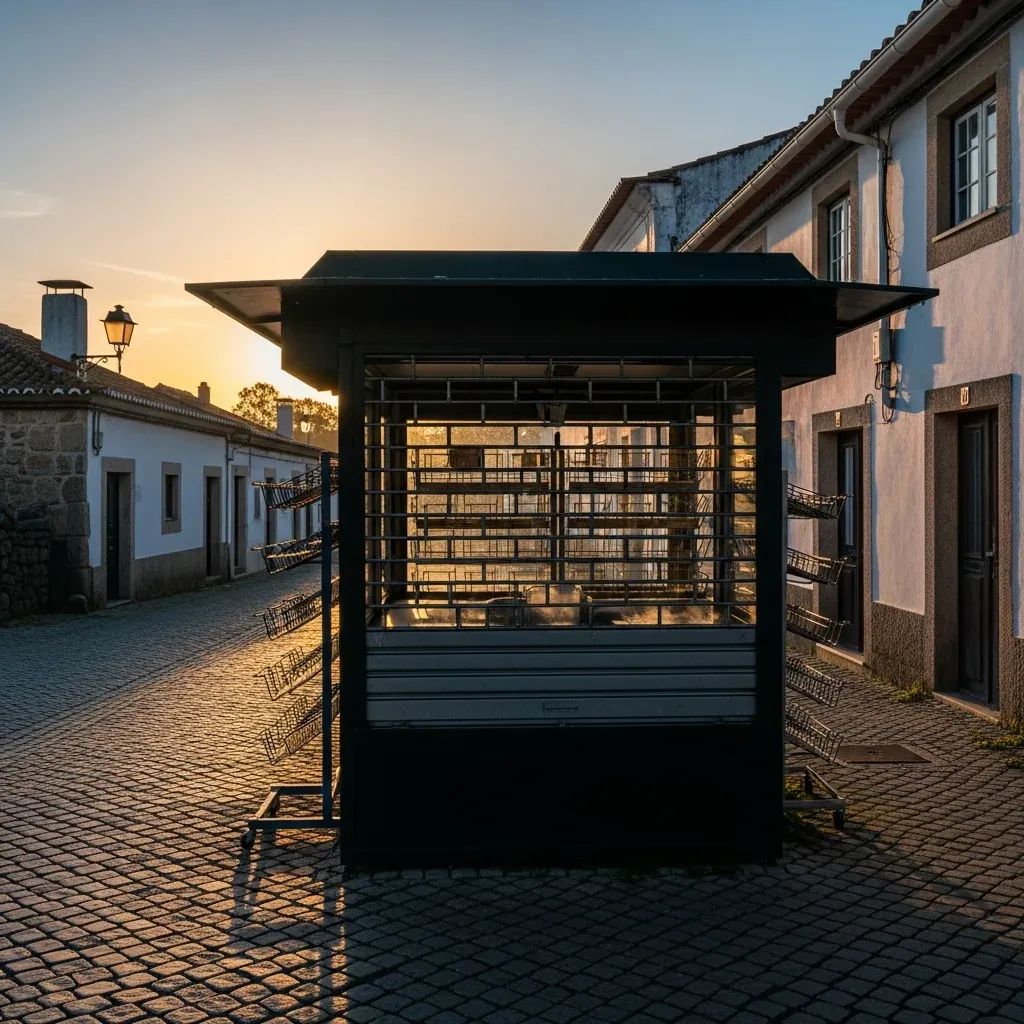
Every morning in Marvão begins with the same small frustration: the postman arrives long before the day’s newspaper ever could. For nearly 4 years, the picturesque border-town has had no kiosk, no tabacaria, no café stocking the national press. Residents who crave the rustle of print must drive to Castelo de Vide, 14 km away, or make do with the weekly Alto Alentejo. A minor inconvenience for some, it has become a symbol of isolation for many, especially older neighbours who never took to smartphones.
Snapshot: what residents are facing
• Zero daily newspaper outlets inside the municipality since 2021
• A 14 km round-trip to the nearest point of sale
• Elderly population above 38 % and low digital literacy
• Municipal plan to offer free papers in public buildings from 2026
• National distributor VASP considering service cuts across eight districts, including Portalegre
Why this matters beyond Marvão
For people living anywhere in Portugal’s interior, Marvão’s predicament is a harbinger. Print readership is shrinking, but the right to information remains. When the last kiosk shutters, democratic life in small towns can quickly feel remote. In a municipality where nearly two-thirds of voters are over 55, the disappearance of familiar front pages also removes a daily ritual that keeps residents plugged into national debate.
14 km for the headlines
Locals swap tips about which petrol station in Castelo de Vide receives bundles earliest. Teresa Marques, 71, budgets an extra €20 a month for fuel so she can fetch the Público for her husband. “It’s cheaper than broadband and less complicated,” she laughs—then admits the drive will end the day she surrenders her licence. Such stories illustrate how transport costs, age, and geography intersect to turn a simple purchase into an errand of endurance.
The digital divide in black and white
Portugal’s broadband coverage has improved, yet dead zones persist along the São Mamede ridge. Even where 4G is available, many seniors are uneasy about online paywalls, cookies, and bank cards. A 2024 study by INE estimated that only 46 % of Alentejo residents aged over 65 accessed news on the internet at least once a week. For them, the disappearance of the printed press feels like being asked to read through fog.
Town hall’s rescue plan
Vice-mayor Luís Costa confirms that from January 2026, the municipality will buy national dailies, weeklies, and magazines and lay them out in the Casa da Cultura, the municipal pool and village halls. Operating costs—roughly €12,000 a year—will come from the culture budget. Meanwhile, the itinerant library van is being refitted with tablets and a 5G router so that remote villages such as Beirã can tap into digital editions. The council insists the service will remain free of charge, arguing that access to information is a public good just like street lighting.
A national distribution crisis looms
Marvão’s effort lands against a broader backdrop: VASP, Portugal’s dominant distributor, has warned that rising fuel prices and plummeting sales could force it to curtail daily routes in Portalegre, Beja, Évora and five other districts from 2 January 2026. Publishers, municipalities and the government are locked in tense talks. Lisbon has ruled out direct subsidies to a single firm, preferring “competitive mechanisms” yet to be spelled out. Should VASP pull back, the few remaining kiosks in the Alto Alentejo could vanish—making Marvão’s situation the norm rather than the exception.
The numbers behind the trend
According to the Associação Portuguesa de Imprensa, national print circulation slid -11 % in 2023 and is projected to dip another -9 % this year. Within rural Alentejo, estimates suggest circulation has fallen by more than half since 2017. Rising paper costs (+23 % year-on-year) and higher minimum wages have squeezed corner shops. With margins below €0.12 per copy, many retailers say newspapers no longer justify early-morning staffing.
What happens next
Short term (through 2025) – Marvão relies on weekly papers and cross-border drives; the municipality finalises procurement contracts for 2026.
Medium term (2026-2027) – Success of the town-hall plan could become a template for other interior councils, especially if VASP reduces routes. The model’s sustainability, however, hinges on grants from the forthcoming EU cohesion funds cycle.
Long term – The debate may pivot from distribution to production: will national titles still print enough copies to serve sparsely populated areas? Experts at Universidade de Évora predict a tipping point around 2029, when daily print runs could become economically unviable without state intervention.
Bottom line for readers in Portugal
Marvão’s quiet struggle over a morning paper encapsulates a larger national dilemma: balancing commercial reality with the democratic need for widely accessible information. Whether through municipal subscriptions, revamped logistics, or digital mentoring, solutions tested here will shape how the rest of interior Portugal stays informed in the years to come.