Portugal's Internal Affairs Ministry has confirmed a fourfold surge in road fatalities over the Easter period, with 20 deaths recorded between March 27 and April 6, prompting immediate pledges for sweeping policy intervention. The grim toll represents a dramatic increase from the five fatalities logged during Easter 2024, raising urgent questions about driver behavior and enforcement efficacy.
Why This Matters
• Enforcement reality: Despite 52,668 drivers screened and 1,442 arrests, alcohol-related crashes and speeding persist as the dominant killers.
• Policy shift incoming: The Portugal Ministry of Internal Affairs announced a package of short-term and strategic measures "very soon," signaling potential regulatory changes affecting all drivers.
• European context: Portugal remains among the worst EU nations for road deaths per capita.
The Numbers Behind the Crisis
The Portugal Republican National Guard (GNR), responsible for rural and interurban highways, documented 14 fatalities and 941 collisions during its April 2–6 operation window. In parallel, the Portugal Public Security Police (PSP), covering urban zones, recorded 6 deaths and 1,661 crashes—a jump of 237 accidents compared to the 2024 Easter period. Combined, the two forces tallied 2,602 accidents, 53 severe injuries, and 845 light injuries nationwide.
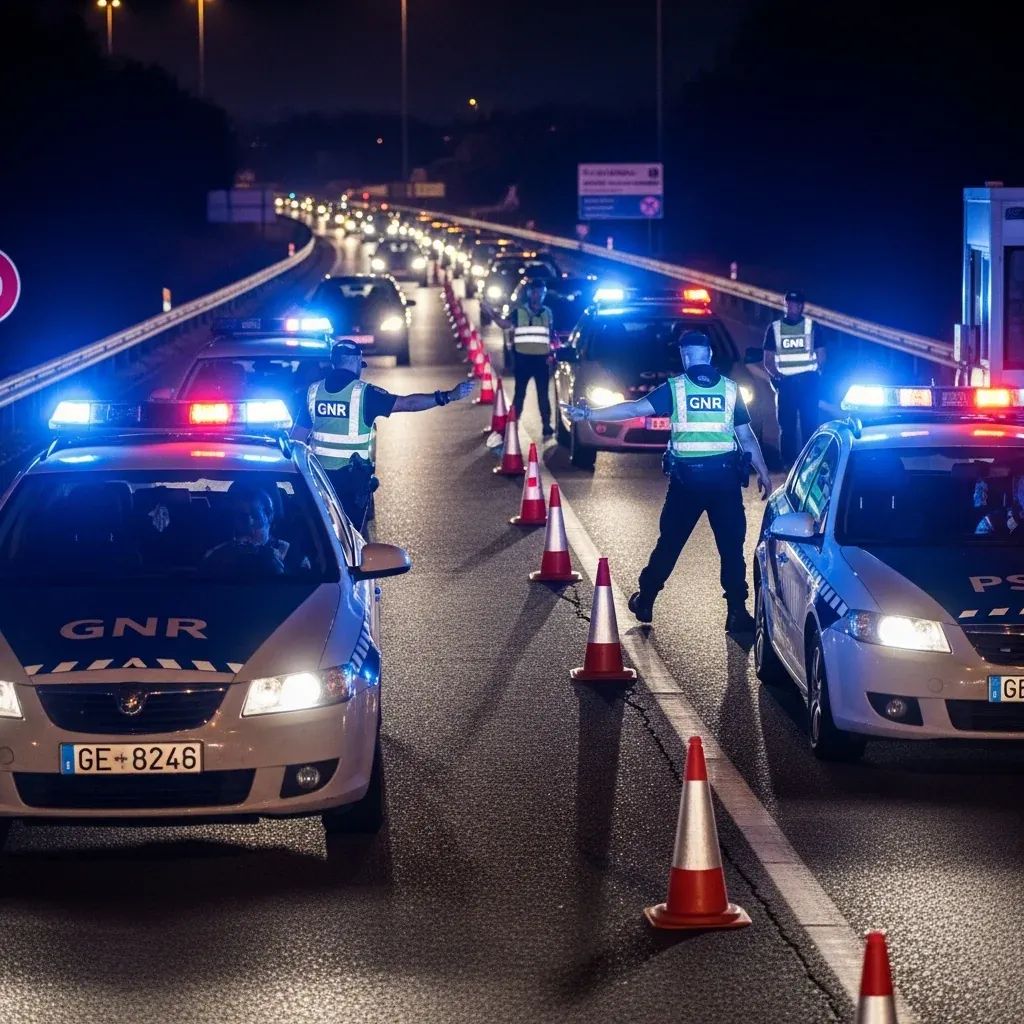
The operational footprint was extensive. GNR officers stopped 34,305 drivers, while PSP units screened 18,363 and deployed radar checks on 46,929 vehicles. From these interventions emerged 1,125 PSP arrests, a 24% increase year-on-year, and 317 GNR detentions for blood-alcohol concentrations at or exceeding 1.2 g/L—well above the legal threshold. Another 111 drivers were arrested for lacking valid licenses.
Speeding topped the infraction list. GNR issued 2,390 citations for excessive velocity, PSP logged 693. Lack of mandatory periodic vehicle inspections accounted for 1,042 GNR and 611 PSP violations. Critically, 375 arrests were made for driving under the influence, underscoring the persistence of intoxication behind the wheel despite years of public-awareness campaigns.
Behavioral Patterns That Kill
Alcohol remains a significant behavioral risk factor on Portuguese roads. During this Easter stretch, PSP registered 187 alcohol-related infractions—35 more than in 2024—while GNR detected 183.
Mobile-phone use while driving continues to escalate. PSP documented 139 infractions for handheld device operation during the holiday, GNR added 182.
Seatbelt non-compliance remains a concern. GNR issued 190 citations for missing or incorrect restraints, PSP logged 69—representing an increase over the prior Easter. The failure to buckle up does not cause collisions, but it drastically amplifies injury severity when crashes occur.
What This Means for Residents
For anyone living in or driving through Portugal, three immediate realities emerge. First, enforcement will intensify. The Ministry of Internal Affairs has signaled that the current level of fiscalization—already resulting in over 50,000 driver stops during a ten-day period—will expand further, with particular focus on alcohol checkpoints and speed-camera deployment. Expect more roadblocks, especially during weekend evenings and holiday windows.
Second, regulatory changes are imminent. The ministry's statement explicitly references "a package of strategic measures, medium and long term, and others more immediate." While specifics remain undisclosed, likely interventions include stricter penalties for recidivism, expanded use of average-speed cameras, and mandatory ignition-interlock devices for repeat alcohol offenders.
Third, liability and insurance costs may rise. A surge in serious collisions translates to higher claim volumes for insurers, who historically pass those costs to policyholders. Those caught driving without compulsory civil-liability insurance face immediate vehicle impoundment and fines that can exceed €2,500, plus criminal prosecution for repeat violations.
Policy Response and European Pressure
In a statement released, the Ministry of Internal Affairs characterized each death as "a personal tragedy and a destroyed family," adding that "no death on the road is acceptable." The ministry acknowledged that despite better infrastructure and safer vehicles, "risk behaviors persist: driving under the influence of alcohol, speeding, and improper use of mobile phones during driving."
Portugal's road-safety record is a concern within the European context, and the country is committed to meeting EU safety targets for the coming years.
Enforcement Operations Details
Nighttime alcohol offenses cluster heavily in the early-morning hours. Roughly half of all intoxicated-driver detections occur between midnight and 6 a.m., suggesting that post-leisure travel from restaurants, bars, and festivals remains a persistent concern.
The Broader Criminal Landscape
Easter enforcement operations extended beyond traffic law. PSP seized 14,020 individual doses of narcotics, arrested 117 suspects for drug trafficking—up 57 from the prior year—and confiscated 198 weapons (19 firearms, 162 bladed instruments, and 17 others), an increase of 130. Officers also impounded 1,825 pyrotechnic items, more than triple the 2024 haul.
Domestic-violence incidents logged during the period totaled 430 occurrences, a decline of 53 compared to Easter 2024, though 19 suspects were arrested for such offenses—six more than the prior holiday. Property-crime arrests rose modestly to 82, up seven year-on-year.
Immediate Action Steps
For residents, three practical steps reduce risk exposure. First, avoid driving during late-night and early-morning hours on weekends and holidays, when alcohol-impaired motorists are statistically most prevalent. Second, ensure vehicle compliance: valid inspection stickers, current insurance certificates, and functioning safety equipment. Roadside checks now routinely verify electronic databases, and on-the-spot impoundment is standard for lapsed coverage. Third, anticipate heightened enforcement on key corridors where authorities typically concentrate radar and checkpoint resources.
Parents transporting children must verify that restraint systems meet current EU standards; citations issued for improper child seats during Easter underscore that this remains a frequent violation. Seatbelt use is mandatory for all occupants, front and rear, with fines starting at €120 and rising for repeat offenses.
The ministry's forthcoming policy package will likely include mandatory re-education courses for serious violators and expanded use of point-based license suspension. Implementation timelines remain unannounced, but the political momentum generated by the Easter toll suggests accelerated legislative review.
"No trip is worth a life," the ministry concluded in its statement—a phrase that may soon anchor a renewed public-information campaign as Portugal grapples with the current road-safety challenges.