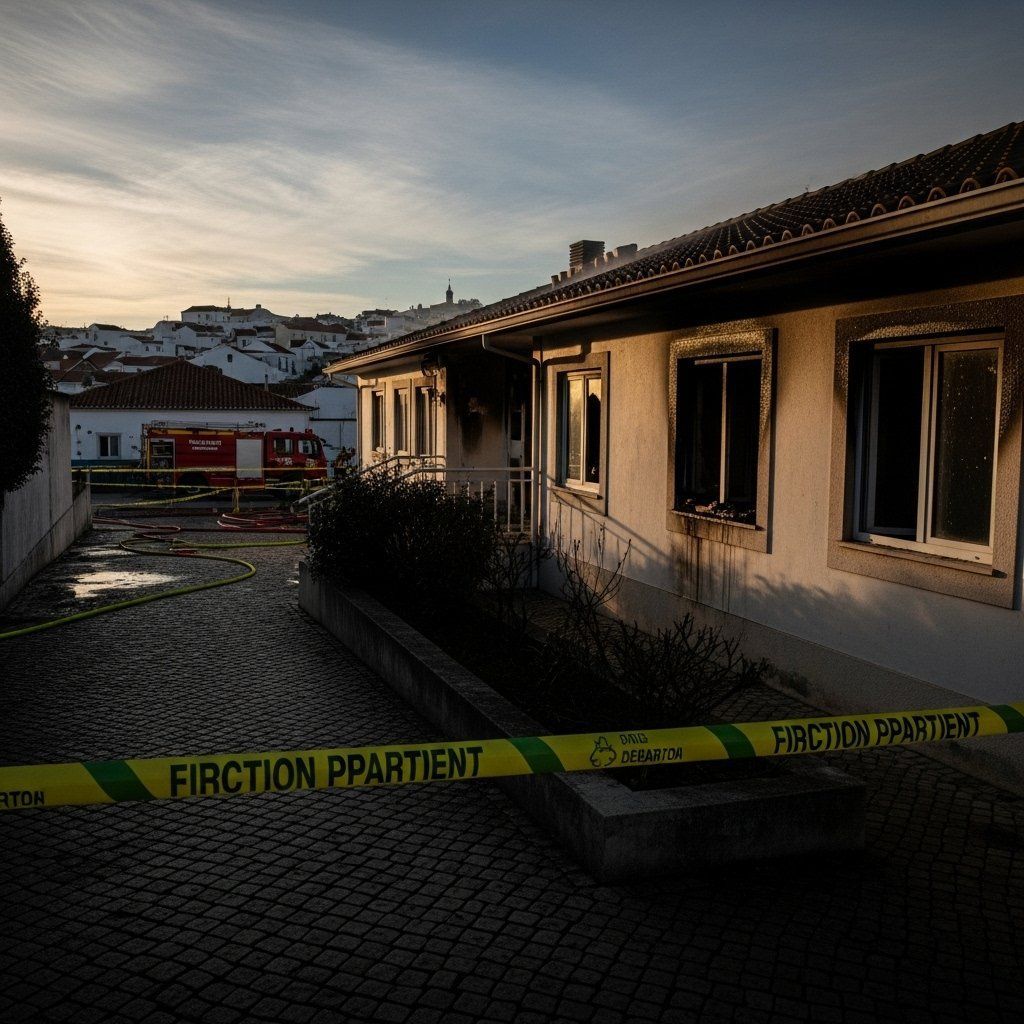
Nearly eight years after a routine commute turned into a catastrophe in the marble heartland of Alentejo, the courts are preparing to revisit the Borba road collapse. Residents from Évora to Lisbon are watching closely as the case, once considered settled, returns to the spotlight.
Quick Glance at the Stakes
• Retrial starts 7 April 2026 in Évora’s main courthouse.
• Six defendants include former municipal leaders and quarry officials.
• Prosecutors allege homicide by omission and safety violations.
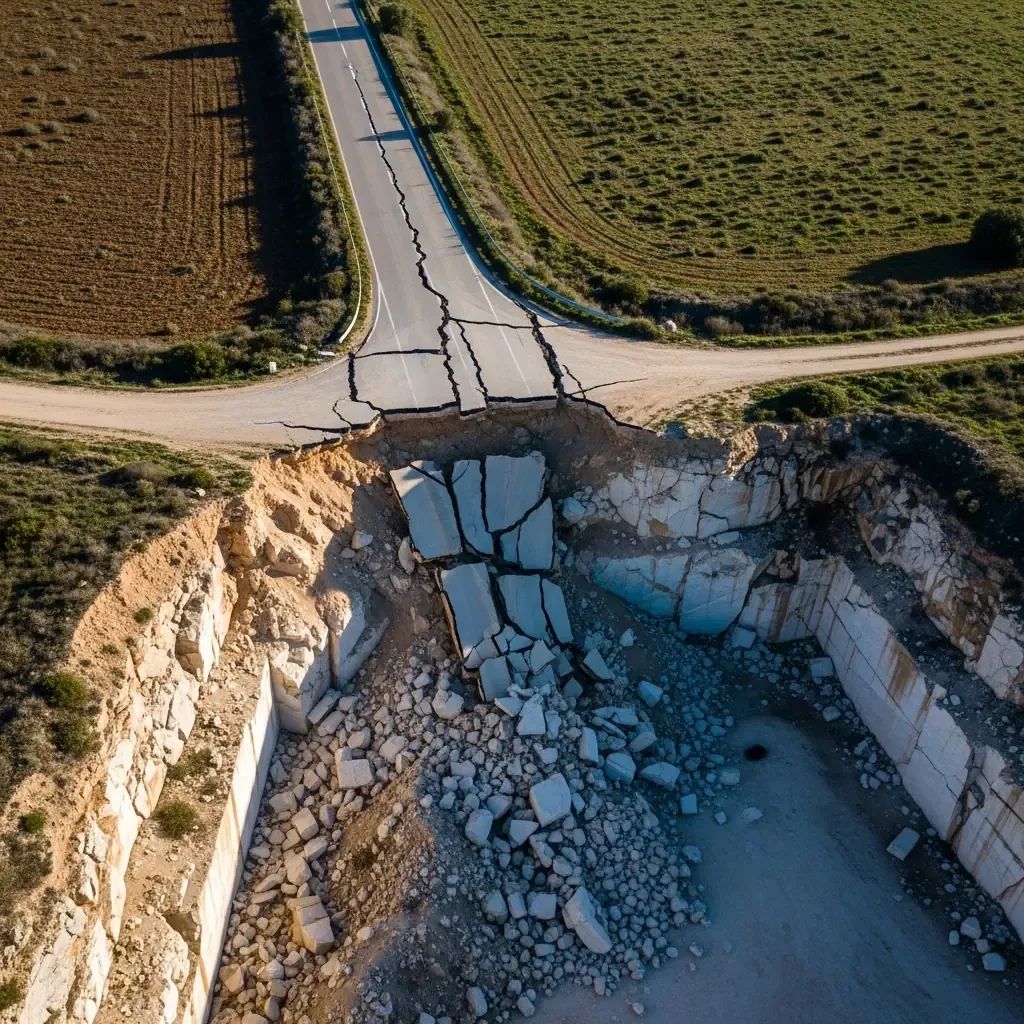
• Five people died when a 100-metre stretch of EM 255 slid into disused quarries.
• A separate civil claim seeks €1.6 M in state compensation.
Why This Matters for Portugal
For communities that rely on a dense network of municipal roads, the Borba collapse remains a stark reminder that aging infrastructure, industrial extraction, and public oversight do not always align. The retrial is being framed by legal scholars as a test of how far Portuguese law can reach when local officials, state inspectors, and private operators are accused of turning a blind eye to danger. The outcome could set fresh expectations for accountability, influence future quarry licensing, and shape budget debates on rural road maintenance.
A Compressed Timeline of a Long Saga
Alentejo’s marble basin has produced stone for palaces and pavements since Roman times, yet 19 November 2018 is the date etched in local memory. A routine stretch of EM 255 crumbled, sending two quarry workers and three motorists into a water-filled pit. By February 2024, the first trial ended in a full acquittal. The Évora Court of Appeal later ruled the verdict unsound, citing “insurmountable contradiction” and “manifest error in evidence assessment.” That decision ordered a retrial, now scheduled to run through mid-June 2026.
Who Is Back in the Dock?
The courtroom docket has been slightly reshuffled but remains crowded:
• António Anselmo – former mayor; charged with 5 counts of homicide by omission.
• Joaquim Espanhol – former deputy mayor; 3 counts of homicide by omission.
• Bernardino Piteira and José Pereira – senior DGEG engineers; 2 counts each.
• ALA de Almeida Lda. – quarry operator; accused of 10 safety breaches.
• Paulo Alves – site engineer; also faces 10 safety breaches.
The panel will once again be led by Judge Luís Mendonça e Cunha, whose courtroom schedule allocates more than a dozen days for witness testimony, technical expert reports, and on-site footage review.
Inside the Upcoming Hearings
Court officials expect dozens of witnesses, from geologists to emergency first responders, to revisit the sequence of warnings that preceded the collapse. Key dates include:
• 7 April 2026 – formal opening and reading of charges.
• 30 April – 9 June – expert and eyewitness testimony.
• 17 June – closing arguments, after which deliberations begin.
Legal analysts say the retrial hinges on whether the panel accepts the prosecution’s claim that visible fissures, drainage problems, and repeated citizen alerts were ignored. Defense teams will argue that seismic instability and heavy rainfall created unforeseeable conditions.
The Parallel Civil Battle for €1.6 M
While the criminal case dominates headlines, the Finance Ministry has filed a separate suit in Beja Administrative Court to claw back the compensation fund already paid to victims’ families. The claim targets the same six defendants, the Borba municipality, and the heirs of the quarry’s majority shareholder. Municipal lawyers counter that civil liability cannot be settled until the criminal outcome is final, setting up a potential legal stalemate stretching into 2027.
Lessons Along the Marble Belt
Alentejo hosts more than 150 active quarries, many within metres of roads and villages. Since 2018, local councils have rushed to commission geotechnical surveys, and in December 2025 Borba’s new mayor ordered an emergency closure of another road after fresh ground cracks surfaced. National agency Infraestruturas de Portugal insists its broader network is safe, yet engineers privately admit that undocumented tunnels, abandoned shafts, and climate-driven erosion complicate inspections. The Borba retrial is therefore seen as a catalyst for a wider audit of subsurface risks across Portugal’s extraction zones.
What Happens Next
Should the defendants be convicted, they could face prison terms, professional bans, and steep restitution orders. An acquittal, on the other hand, might intensify pressure on lawmakers to close what critics call “gaps in the chain of command” between municipal oversight and central regulation. Either way, families of the five victims say they will attend every session, hoping that—this time—the court offers a sense of final accountability for a tragedy that still casts a long shadow over the marble hills of Borba.