
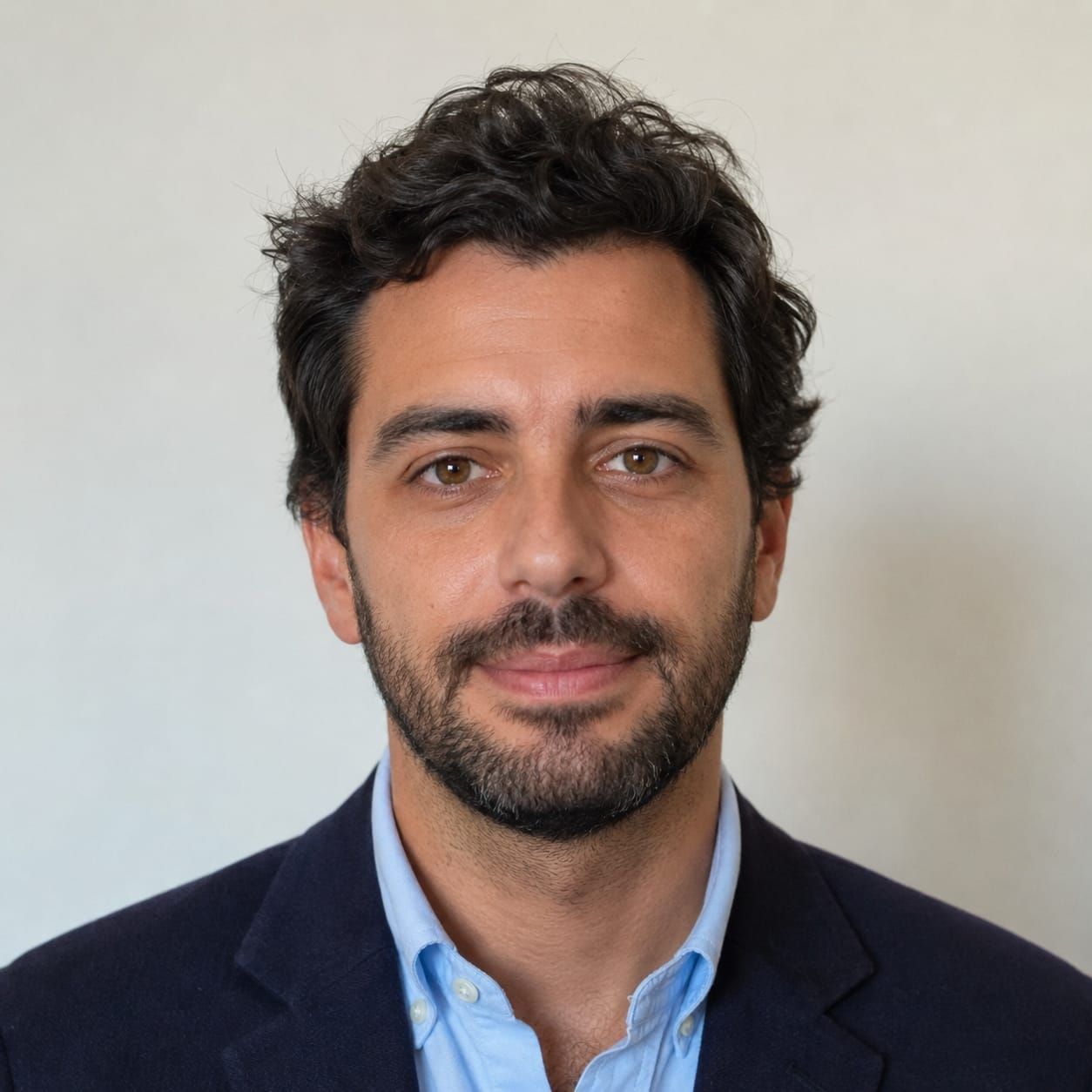

FC Porto's Europa League quarter-final against Nottingham Forest this Thursday carries an emotional subplot that few fixtures can match: the head coach returning to the stadium where he built his reputation will be sitting in the opposition dugout. Vítor Pereira, who steered the Portugal-based club to back-to-back league titles over a decade ago, faces his former home for the first time since departing in 2013—and those who worked alongside him are opening up about the leadership dynamics that powered those glory years.
Why This Matters
• Historic reunion: Pereira returns to Estádio do Dragão for the 1st leg on April 9, 2026, nearly 13 years after leaving Porto.
• Leadership revelations: Former goalkeeper Helton confirms André Villas-Boas frequently delegated training sessions to Pereira during their partnership.
• Return from competing in English football: Pereira now manages Nottingham Forest in the Premier League after recent managerial changes at the club.
The Training Ground Dynamic That Forged Champions
Helton, who played under both Villas-Boas and Pereira at FC Porto, has shed light on the division of labor that defined the club's coaching structure during one of its most successful eras. The Brazilian international, speaking ahead of Thursday's match, described Pereira as the technical architect behind daily preparation, while Villas-Boas—now FC Porto's president after winning election in May 2024—excelled in human management.
"He had more technical knowledge, more focused on the exercises and practical work," Helton said of Pereira. In contrast, Villas-Boas possessed what the goalkeeper considers paramount: "the management of human beings. He controlled the dressing room like no one else."
The former number one confirmed what many suspected but few acknowledged publicly: Villas-Boas routinely assigned training sessions to his assistant based on trust and Pereira's recognized expertise. "It's true that there were many training sessions delegated to Vítor Pereira, because of the confidence and knowledge he already had," Helton explained, adding that these competencies ultimately supported Pereira's evolution into the head coach who now guides Nottingham Forest in England's top flight.
Rui Quinta, who served as Pereira's assistant during the Portuguese coach's tenure as FC Porto head coach, echoed the sentiment. He emphasized Pereira's technical sophistication and methodical approach to squad development, qualities that translated into a near-flawless domestic record during his 2 seasons in charge.
A Record That Still Resonates
Pereira's statistics at FC Porto remain remarkable. His time leading the club from 2011 to 2013 was marked by exceptional success in domestic competition, reflecting his tactical approach and leadership qualities. The pinnacle came in the 2012/13 season finale, when a substitute scored a late goal against rivals Benfica at Estádio do Dragão, securing the title in a moment seared into Portuguese football memory. "It was a moment with a unique emotional charge in many people's careers," Quinta recalled. "Who lived it from the inside guards it as one of the moments of their life."
That dramatic winner exemplified Pereira's willingness to take calculated risks with squad rotation, trusting fringe players in decisive moments—a trait Quinta attributes to the coach's confidence-building training environment.
The Challenge of Returning as the Enemy
Pereira's homecoming on April 9 will unfold in front of a capacity crowd at Estádio do Dragão, but Quinta believes the emotional weight will not disrupt the Portuguese manager's tactical discipline. "With his maturity and personality, I believe he will be very little influenced by that fact," Quinta said. The second leg follows on April 16 in Nottingham.
For Pereira, this return represents a significant moment—confronting the club where he built his reputation while now managing a Premier League side seeking to advance in European competition. His appointment at Nottingham Forest reflects his continued relevance as a tactically astute manager capable of working at the highest levels of European football.
What This Means for Porto Residents
For Porto supporters, Thursday's match represents more than a path to the Europa League semi-finals—it's a measure of how the club continues to compete at European level while honoring its past. The fixture carries particular significance as it reunites the city with one of its most successful coaching figures during a critical moment in both clubs' European campaigns.
The return of Pereira to the Dragão as an opponent serves as a testament to his coaching career trajectory and the lasting impact his leadership left on FC Porto. For residents of Porto, it offers an opportunity to reflect on the club's achievements and the managers who shaped its modern history.
The Friendship That Endures Career Shifts
Publicly, André Villas-Boas and Vítor Pereira maintain mutual respect despite their divergent career paths. There are no reports of recent private meetings, but the shared history between the two figures underscores the deep connections formed during Porto's successful period.
Helton, for his part, refused to compare the two coaches when asked which contributed more to his development. "There is no difference in evolution. I think with both I managed to grow within their proposals," the goalkeeper said, emphasizing that dressing room dynamics, player quality, and work methodology all shape individual and collective performance.
Impact on Expats & Visitors
The Europa League run holds significance for Portugal's second-largest city. A deep tournament progression translates into millions in UEFA prize money and matchday revenue—funds that bolster Porto's competitive efforts amid modern football's financial demands. For residents and visitors, packed European nights stimulate local hospitality businesses, from restaurants near the stadium to hotels in the historic Ribeira district.
The Pereira subplot adds intrigue that extends broadcast appeal beyond traditional fan bases, potentially raising Porto's profile in international markets. Football continues to be a powerful draw for cultural tourism, and marquee fixtures like Thursday's create opportunities for local businesses catering to traveling supporters.
A Moment of Reflection for Football
Quinta dismisses the notion that Pereira's institutional knowledge provides Nottingham Forest a decisive tactical edge. "Today, all teams know each other very well. All teams study each other exhaustively," he said, noting that player quality, current form, and tactical adjustments matter significantly in modern competition. The scouting ecosystem, with video analysis and data analytics, levels much of the information advantage that once benefited returning managers.
Still, the narrative resonance remains undeniable. Porto fans who witnessed the dramatic title clincher will see the architect of that success return as an opponent, while Pereira confronts the reality that FC Porto has thrived across multiple coaching regimes and squad overhauls since his departure.
The 1st leg kicks off on April 9 at Estádio do Dragão, with both clubs chasing a semi-final berth in a competition neither has won recently. For Pereira, the homecoming offers validation of his coaching evolution across multiple continents and his continued relevance at the highest levels of European football. For Porto, it represents a test of current form against a manager who knows the club intimately—and who once made it his personal fortress.


