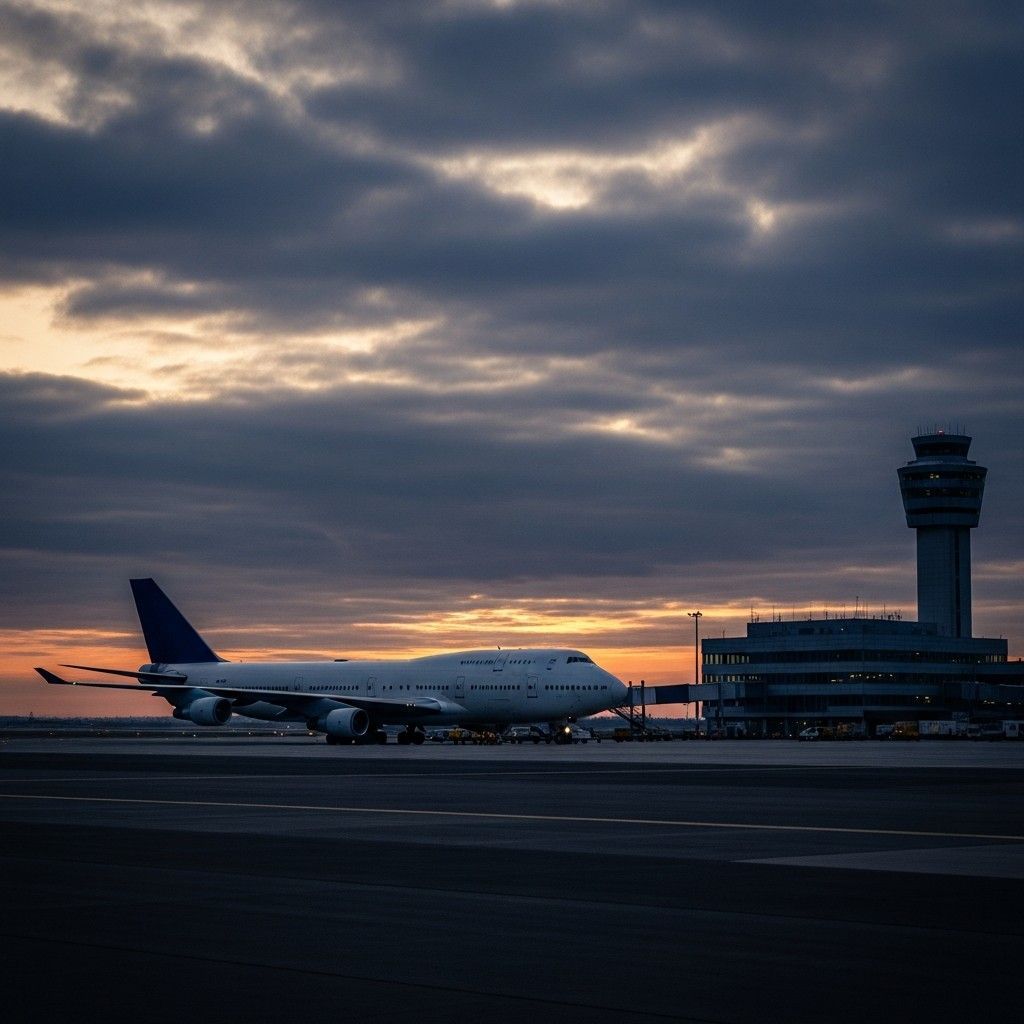
For the Portuguese community that has long relied on TAP’s weekly hop across the Atlantic, the abrupt loss of the Lisbon–Caracas link is more than a scheduling nuisance — it is a reminder that aviation security, not commercial demand, still decides where a flag-carrier can fly. With both TAP and Portugal’s civil-aviation regulator declaring Venezuela a no-go zone until further notice, thousands of seats have vanished overnight and the future of a half-century-old route hangs in the balance.
Why Portugal Cares
The suspended service is not merely another long-haul rotation. For Portugal’s sizeable diaspora in Venezuela, the connection has served as a lifeline since the mid-1970s, shuttling family visitors, remittances and small-business cargo back and forth. At least 9,000 Portuguese passport-holders still live in the country, according to embassy estimates, a community that until this month depended on TAP for direct access to Lisbon’s banking, health and education systems. Portuguese exporters of wine, olive oil and machinery parts also favoured the belly-hold capacity of the Caracas flight to reach a niche but loyal customer base. Losing the route forces travellers to endure multi-stop itineraries through Madrid, Bogotá or São Paulo, often at double the price and with lengthy layovers.
Safety First: What Forced the Suspension
The public explanation from TAP is blunt: the airline’s own risk-assessment matrix and Portugal’s Autoridade Nacional da Aviação Civil (ANAC) leave no room for flights that overfly or land in what U.S. regulators describe as a “potentially dangerous” airspace. The catalyst was a late-October bulletin from the U.S. Federal Aviation Administration warning of heightened military activity and an unpredictable security environment in and around Venezuela. The advisory, while not legally binding for non-American carriers, triggered TAP’s internal protocol that obliges management to halt operations if two independent bodies flag a route as unsafe. Hours later ANAC quietly endorsed the decision, citing its own duty to protect passengers, crew and aircraft assets.Behind the scenes, flight planners pointed to concrete obstacles: unreliable radar coverage on approach to Simón Bolívar airport, difficulties obtaining air-traffic information in English, and reports of electronic jamming near military installations. Insurance underwriters responded by raising premiums sharply, tipping the economics of the route into the red even before Caracas revoked TAP’s operating licence.
Caracas Reacts and the Diplomatic Undercurrent
The Venezuelan government’s swift move to strip TAP — and other European carriers such as Iberia — of landing rights was accompanied by accusations that they were aligning with “acts of terrorism” supposedly backed by Washington. Lisbon’s response, delivered by Infrastructure Minister Miguel Pinto Luz, was unflinching: Portugal will not bow to “threats, ultimatums or pressure of any kind” and will follow only international safety norms. Diplomats stress that the dispute is technical, not political, yet the language from Caracas has injected a geopolitical edge.Portugal, mindful of its citizens on Venezuelan soil, has avoided retaliatory language. Still, officials privately concede that the revocation makes it legally impossible for TAP to resume flights even if security improves, unless a fresh bilateral agreement is signed. In other words, diplomacy will have to work hand-in-hand with hazard assessments before the route can reopen.
Passenger Impact and What Happens Next
TAP has offered full refunds or re-routing via partner carriers, though available seats are evaporating fast as Christmas travel looms. Travel agents in Madeira and the Algarve — traditional hubs for families with relatives in Venezuela — report phone lines clogged with customers trying to salvage holiday plans. Premium-class travellers are eyeing Miami or Panama City as alternate gateways despite the extra 2,000 km detour.Industry insiders see little chance of a swift turnaround. Insurers usually require at least six consecutive months of stable conditions before recalibrating risk models, and ANAC’s last circular indicated that its inspectors would need on-site access to Maiquetía to verify runway safety, fuel quality and emergency-response readiness. Until those boxes are ticked, the Lisbon–Caracas flight number is likely to stay blank on departure boards.
Wider European Context
TAP’s decision mirrors a broader retreat by carriers across the continent. Iberia, Air Europa and Plus Ultra have all grounded their Venezuelan services in recent weeks, while Turkish Airlines and LATAM have rerouted aircraft to avoid Venezuelan airspace entirely. The International Air Transport Association (IATA) has criticised Caracas for punishing airlines that choose caution, warning that connectivity losses could deepen the country’s economic isolation.For Portugal, the episode reinforces a long-standing principle: when airline safety departments and state regulators agree that risks outweigh benefits, commercial considerations take a back seat. That stance will comfort nervous passengers, but until the security map of northern South America improves, the Portuguese corridor to Caracas remains closed — and no one in either Lisbon or Caracas is willing to predict a reopening date.