
Sudden EMER Resignation Could Stall Portugal’s Renewable Permits and €70M PRR
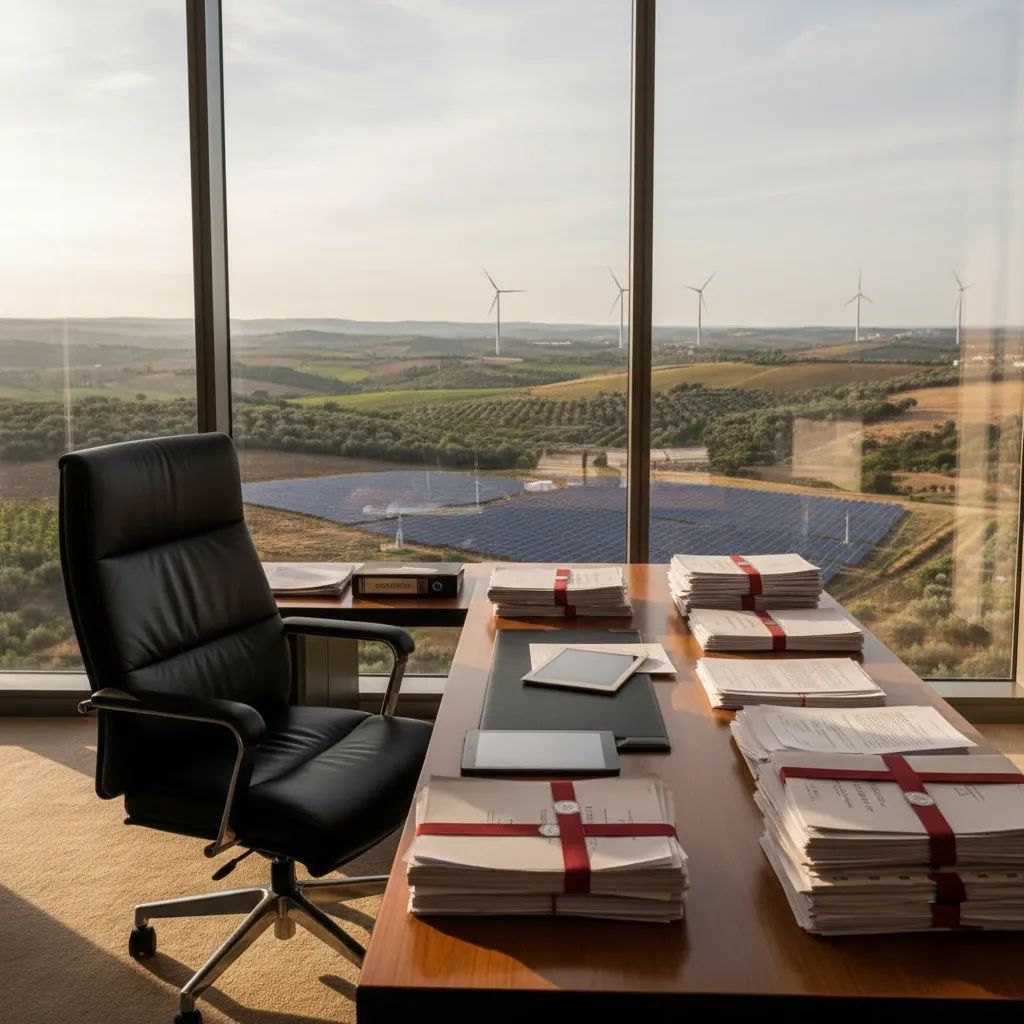
The Portugal Environment Ministry has accepted the resignation of a recently-appointed coordinator at EMER 2030, a move that reignites concerns over whether the country can keep PRR renewable-energy milestones on schedule.
Why This Matters
• Key role now vacant mere months before crucial EU reporting deadlines.
• Licensing delays could slow solar and wind projects that stabilize electricity prices.
• Public money at stake: €70 M in PRR grants rely on EMER hitting year-end targets.
• Homeowners and investors waiting for clear rules on rooftop schemes may face longer queues.
A Coordinator Who Lasted Five Days
Fábio Teixeira, trained as a nurse but armed with project-management certifications, was picked on 5 February by EMER president Manuel Nina to oversee the unit’s internal operations. The choice drew immediate fire from the Portugal Order of Engineers and opposition MPs, who argued that the job demanded deep technical expertise in renewables. By the end of the week, Teixeira asked to be relieved and Nina signed the dismissal.
How Did a Nurse End Up in Renewable Licensing?
The answer lies in the vague wording of Council Resolution 50/2024, which created EMER 2030 to speed up green-energy permits. The decree lists three coordinator posts but sets no academic requirements, prioritising project-delivery skills instead. Nina, himself a fintech co-founder, maintained that Teixeira’s track record in software roll-outs and government offices met those loose criteria. Critics countered that competence in grid-connection rules, environmental impact law and RED III transposition is non-negotiable for the role.
Political and Professional Fallout
The episode embarrassed Environment & Energy Minister Maria da Graça Carvalho, who told parliament she learned of the hire through the press. Right-leaning parties seized on the gaffe to question oversight of PRR funds, while green NGOs worried about credibility in front of Brussels. Inside EMER, staff now juggle workloads meant for three coordinators with only two on deck: a technical lead and a training lead.
Status of the One-Stop Licensing Portal
Despite the staffing hiccup, EMER says its flagship deliverable—a digital counter that gathers all permits in one place—has entered final user testing. A beta version is running with 15 municipalities and five grid operators. Pending features include:
• automatic cross-checks with DGEG and ICNF databases;
• a public dashboard on permit-processing times;
• integrated fee payments via MbWay.Officials insist the full launch will still occur “before summer,” a critical milestone for the next €35 M PRR tranche.
What This Means for Residents
Project developers may experience a short-term lull in application reviews as EMER redistributes tasks.
Small businesses installing rooftop panels could wait a few extra weeks for municipal green lights.
If PRR cash is delayed, the state might scale back subsidy programmes such as Vale Eficiência, indirectly affecting household renovation budgets.
Conversely, the controversy has pushed the ministry to promise tighter qualification rules, which could bring more transparency to future public appointments.
Looking Ahead: Deadlines and Replacements
EMER must file its next progress report to the European Commission by 30 April, documenting the portal launch and draft maps for renewable-acceleration zones. Nina says a shortlist of replacement candidates—“all with solid energy backgrounds”—will be presented to the minister within two weeks. The mission structure itself is scheduled to wind down on 31 December 2026, after which permitting duties revert to the Portugal Energy Agency (ADENE).
For residents following the energy-transition story, the real metric is simple: will permits move faster and power bills drop? The next three months should reveal whether EMER’s remaining team can deliver on that promise without the coordinator who exited almost as quickly as he arrived.

The Portugal Post in as independent news source for english-speaking audiences.
Follow us here for more updates: https://x.com/theportugalpost
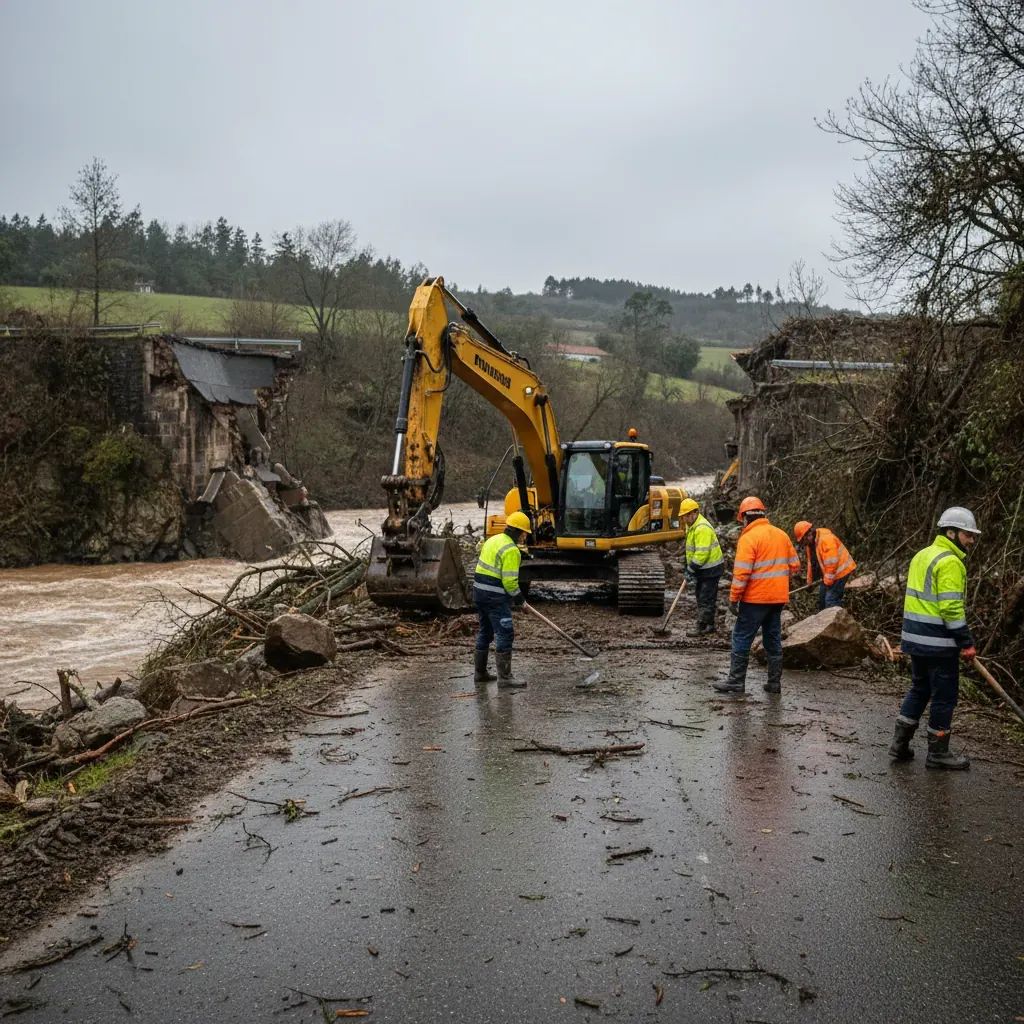
Portugal has 12 weeks to request EU Solidarity Fund aid for storm Kristin damages; PRR milestones stay firm to Aug 2026. See how deadlines affect residents.
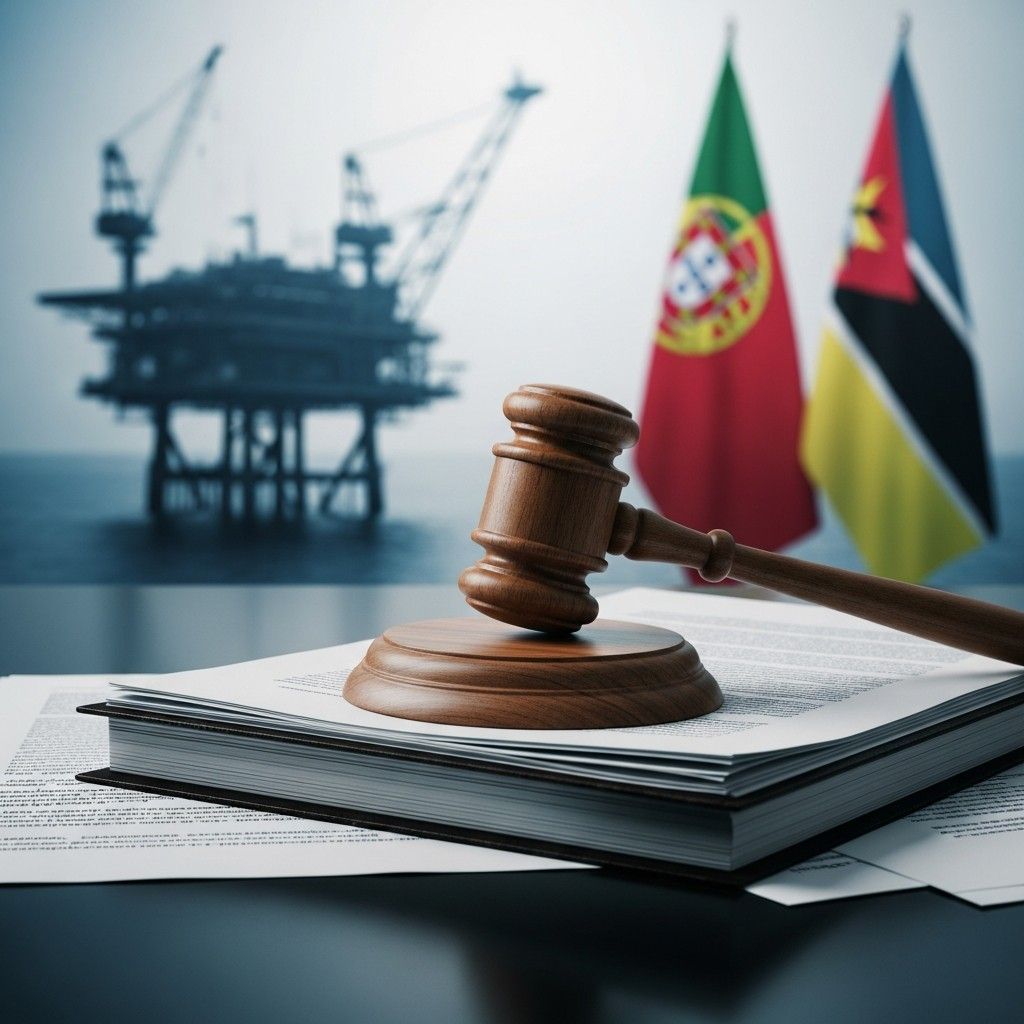
Galp’s €151M Mozambique tax dispute heads to Hague arbitration, a ruling that could divert cash from Portugal’s hydrogen, solar and EV projects—what’s at stake?
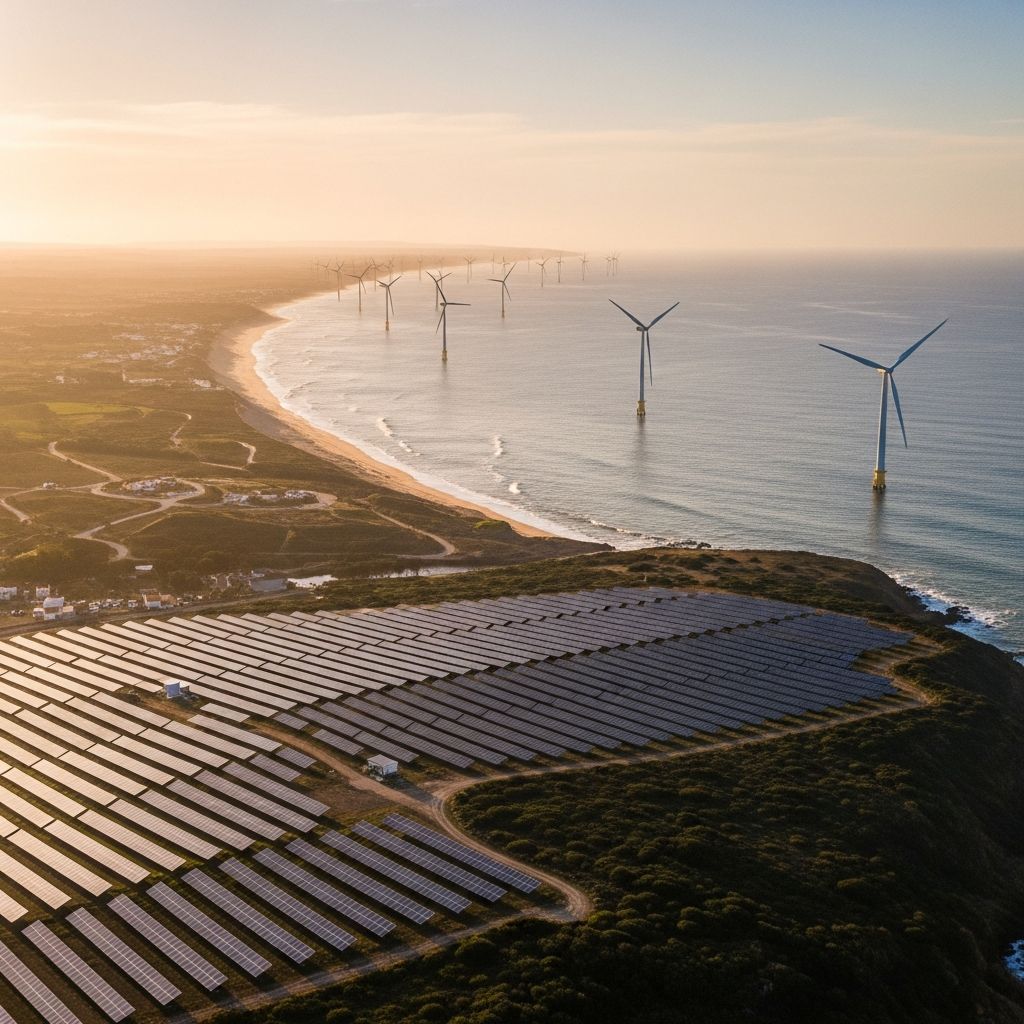
Portugal ends fixed-price energy contracts, shaving 2025 bills and funding solar, wind and battery projects. See what the switch means for residents.
EU clears Portugal’s €275m fund refunding carbon-linked power costs for key industrial plants, safeguarding jobs and pushing greener upgrades.