
Spain’s loose drug statute has allowed hundreds of ayahuasca retreats to advertise openly, a development that is already reshaping week-end travel plans – and legal exposure – for many people living in Portugal.
Why This Matters
• Fast-growing market – Retreat organisers expect revenue to double again in 2026, drawing thousands of Iberian residents.
• Legal mismatch – Spain treats the Amazonian brew as a plant preparation, while Portugal still lists DMT as a controlled drug; crossing the border with leftovers can trigger prosecution.
• Health caveats – Up to 20 % of users suffer severe anxiety or panic; Portuguese insurers rarely cover complications abroad.
• New policy debate – Lisbon’s ministries are under pressure to clarify whether travel for psychedelic therapy should fall under existing decriminalisation rules.
How Spain Slipped Through the Regulatory Net
The unusual situation stems from a gap in Spanish law: DMT is banned, yet the brew containing it – ayahuasca – never made it onto the country’s controlled-substances list. A July 2025 ruling by the Madrid High Court cemented the interpretation by confirming an acquittal for a facilitator who imported 28 litres of the tea. Judges argued that “complex natural preparations” are not automatically illegal, provided the ceremonies are private and non-commercial.
Because the decision relied on constitutional principles rather than new legislation, the ruling is not nationwide precedent. Still, it has become the practical shield on which retreat centres in Andalusia, Catalonia and the Canary Islands now rely. Advertisement on social media is tolerated as long as organisers avoid direct per-dose sales and present the sessions as religious or therapeutic gatherings.
The Business of Iberian Wellness Tourism
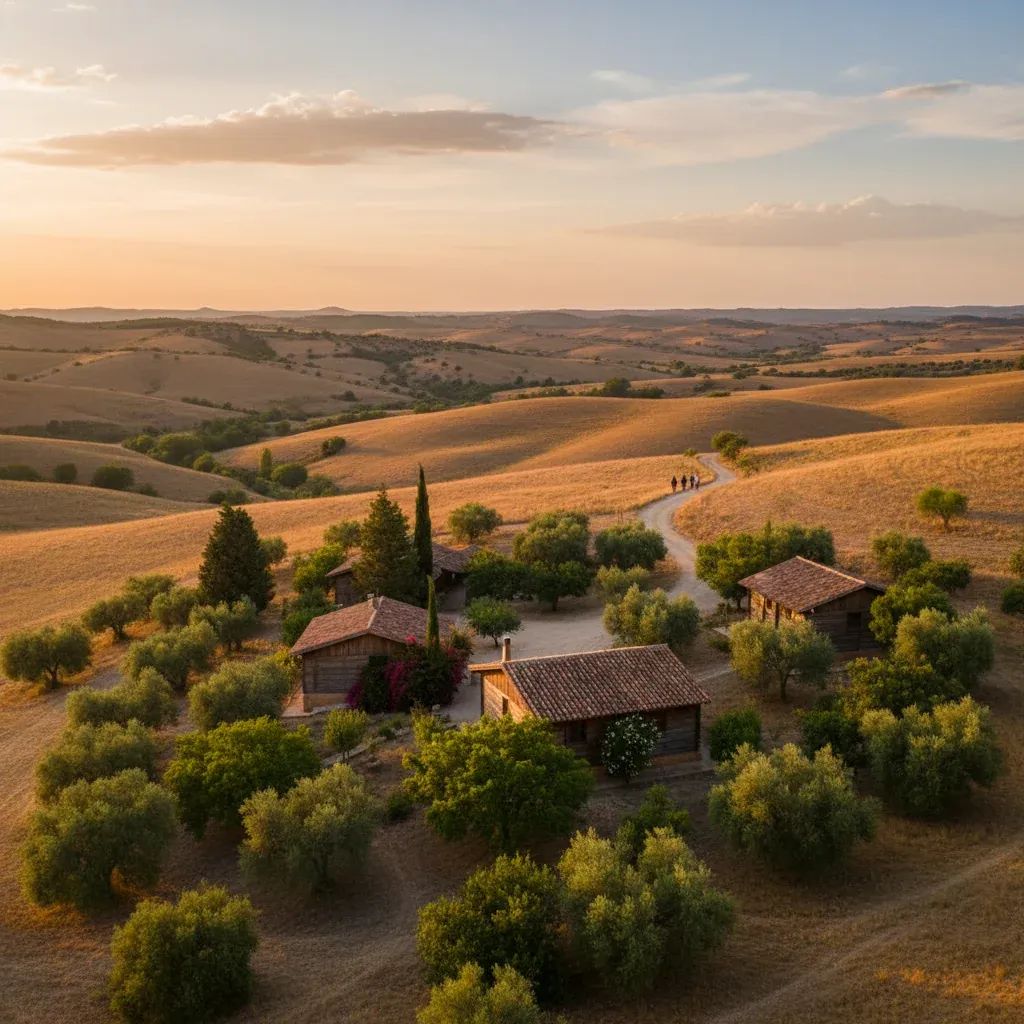
Organisers estimate roughly 60,000 cups of ayahuasca were poured in Spain last year. Flagship brands such as Avalon, FloreSiendo and Gaia for You charge between €350 and €1,100 for two- to five-day packages that bundle yoga, kambo, breath-work and guided integration circles. Groups rarely exceed 20 participants – a size meant to stay beneath police radar while maximising margin.
For Portuguese travellers the equation is simple: a three-hour drive to Seville or a low-cost flight to Barcelona avoids the Amazonian airfare and the stricter Dutch and German policies. Airbnb data show a 17 % spike in rural bookings near retreat hotspots whenever a long Portuguese holiday weekend approaches.
The money is not small. One retreat owner in Málaga told this reporter his four annual groups generate “more than €300,000 in gross receipts”, most of it in cash. Spanish tax inspectors have begun discreet audits, but for now the scene flourishes in a semi-formal economy.
Health Professionals Weigh In
Psychiatrists at Hospital de Santa Maria in Lisbon caution that the brew’s revered status online obscures genuine medical risks. Roughly one in five participants experience panic episodes; physical side effects range from vomiting to hypertensive crises. Contra-indications include bipolar disorder, psychosis and certain heart conditions.
On the potential upside, small clinical trials – none yet carried out in Portugal – suggest durable reductions in treatment-resistant depression. Researchers speculate that the cocktail of harmine and DMT creates a dual antidepressant pathway. Still, Portuguese experts insist on professional screening and regulated follow-up, none of which is mandated at Spanish retreats.
What This Means for Residents in Portugal
Border controls remain strict – While Portugal’s 2001 decriminalisation softens penalties, carrying ayahuasca home can still lead to seizure and a record with the Portugal Criminal Information System.
No medical oversight abroad – Complications arising in Spain fall outside Portuguese public-health coverage; private insurance often excludes “non-prescribed psychoactive use”.
Tax implications – Revenues earned by Portuguese facilitators working at Spanish retreats must be declared to the Portugal Tax Authority; failure can attract fines of €250–€5,000.
Consumer due diligence – Always request written protocols on dosage, medical screening and emergency response; reputable centres provide contact details of a licensed physician on call.
Possible Policy Shifts on the Horizon
Lisbon lawmakers are quietly studying Spain’s jurisprudence. A working group inside the Portugal Parliamentary Health Committee is expected to deliver recommendations before summer 2026. Options include a special permit system for traditional plant ceremonies or a bilateral accord clarifying cross-border transport rules.
Meanwhile, Girona’s World Ayahuasca Forum in September 2026 will put additional spotlight on Iberia. Should EU regulators push for harmonised rules, Spain’s permissive stance could tighten – or, conversely, become the blueprint Portugal decides to emulate.
For now, the practical advice is straightforward: if you choose to explore the ayahuasca experience next door, go with eyes open – legally, medically and financially.


