A violent road rage incident in Porto has left one man hospitalized with serious head injuries after being pursued and attacked with a hammer on April 22, 2026, underscoring the growing problem of aggressive driving confrontations in Portugal's second-largest city.
Why This Matters
• Two suspects detained in flagrante: Men aged 54 and 26 arrested by Portugal's Public Security Police (PSP) at 6:00 PM on Rua Linhas Torres, Campanhã district.
• Premeditated pursuit: The attackers followed their victim from the Via Cintura Interna expressway to complete the assault.
• Part of wider trend: Porto leads Portugal in absolute accident numbers, with 6,419 traffic incidents recorded in the first half of 2024 alone.
The Attack: From Highway Dispute to Hammer Assault
What began as a routine traffic disagreement on the Via de Cintura Interna (VCI), Porto's primary urban artery, escalated into an alleged murder attempt when two drivers refused to let the matter drop. According to the PSP's official statement, the suspects trailed their target through Porto's streets until they reached the Campanhã neighborhood, where they launched what authorities described as a "violent and unexpected" assault.
The victim, a 34-year-old driver, sustained severe head trauma from repeated hammer blows. Emergency medical teams stabilized him at the scene before transporting him to Hospital de São João, one of Porto's main trauma centers. His current condition has not been publicly disclosed, though police confirmed the injuries were classified as grave.
All three men were reportedly heading toward the Estádio do Dragão for a football match when the confrontation began, according to supplementary investigative details. The proximity to the stadium and the timing suggest heightened emotions may have contributed to the volatile situation.
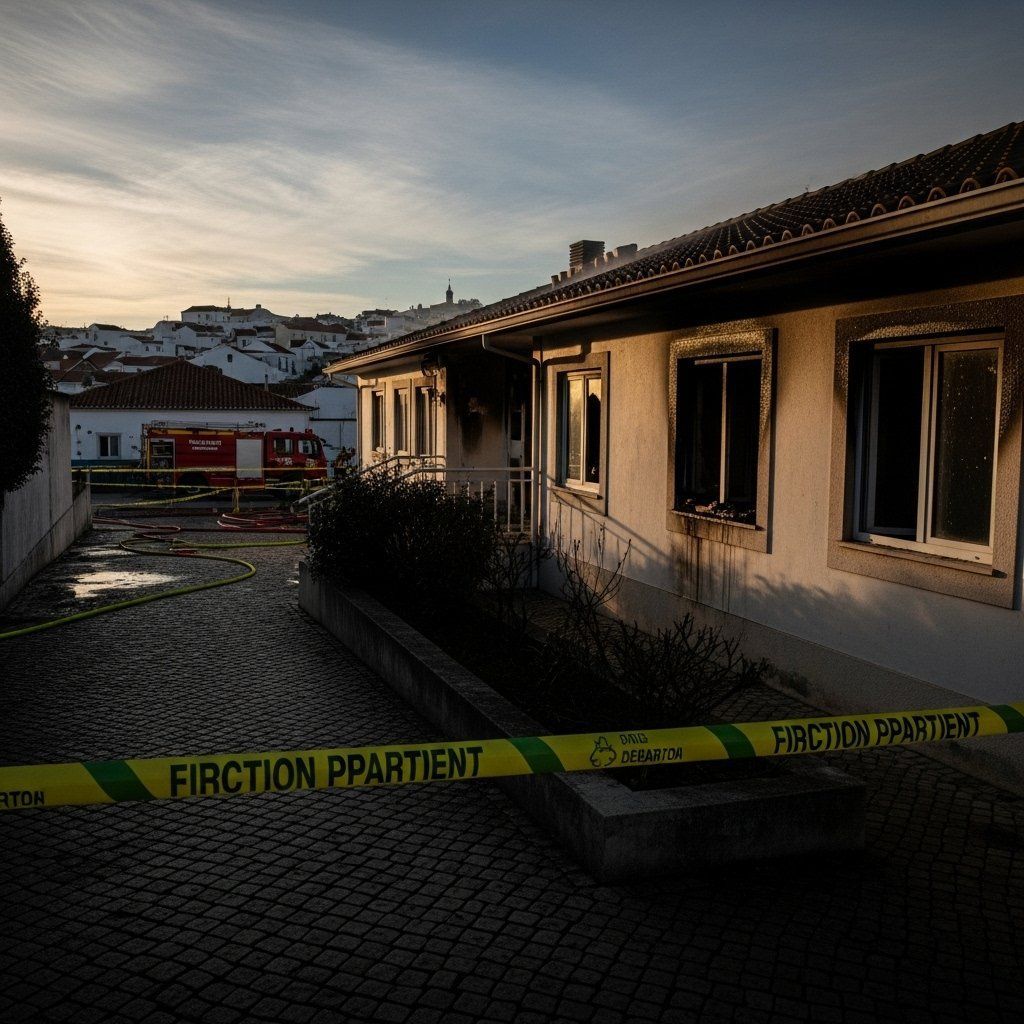
Officers apprehended both suspects immediately after the attack on Rua Linhas Torres, near the Mercado Abastecedor wholesale market. The Portugal Judiciary Police (PJ) has assumed investigative responsibility, collecting evidence from the scene and working to reconstruct the sequence of events. Both detainees have been formally designated as arguidos (defendants) under Portuguese law and will face preliminary judicial interrogation to determine coercive measures, which could include pre-trial detention.
What This Means for Residents and Drivers
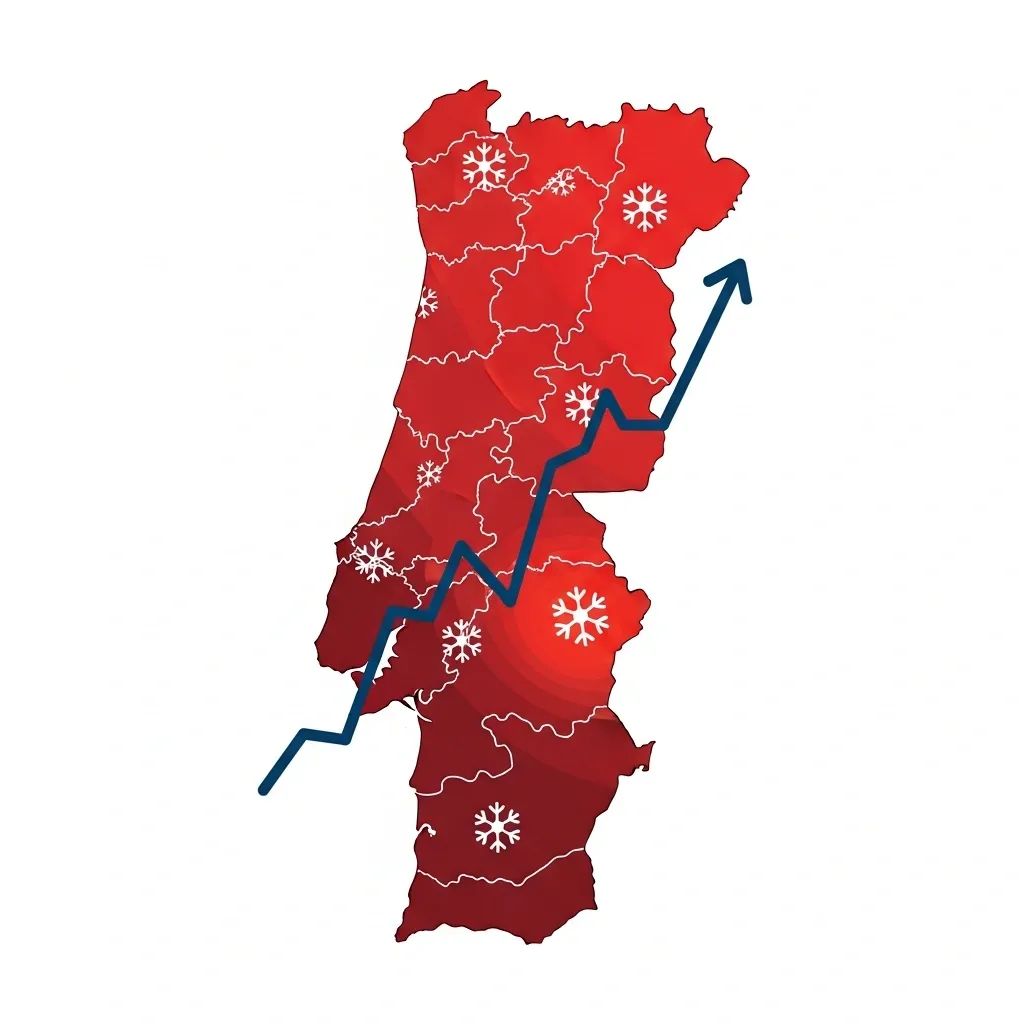
This incident fits into a disturbing pattern of escalating road rage violence across Porto and greater Portugal. The metropolitan Porto area recorded 1,421 accidents with casualties in just the first quarter of 2024, along with 16 fatalities. The district consistently ranks first nationally for both total accidents and incidents involving deaths or serious injuries.
More alarmingly, research indicates that 78% of Portuguese residents have witnessed verbal aggression on the roads, while 50% have seen physical confrontations. Of those surveyed, 16% reported being direct victims of traffic-related violence. Porto and Lisbon emerge as the country's aggression hotspots, where insults, profanity, and threatening gestures are most prevalent.
The VCI itself remains a flashpoint. Designed to handle high volumes of through-traffic around Porto's urban core, it experiences chronic congestion during rush hours—conditions researchers identify as primary triggers for driver irritation and impulsive behavior. The Porto Municipal Council has approved measures to ban heavy goods vehicles from the VCI during peak hours starting March 2026, aiming to reduce both congestion and accident rates, though this policy primarily addresses traffic flow rather than violent confrontations.
The Psychology Behind Roadway Violence
Experts studying aggressive driving in Portugal point to a combination of environmental stressors and behavioral patterns rather than inherent personality defects. Congestion, construction zones, adverse weather, and the pressure to reach destinations on time create conditions where normally rational people make impulsive decisions.
A 2017 study by Continental Tires Portugal found that 27% of Portuguese drivers admit to hostile behavior behind the wheel, particularly under stress. Common manifestations include excessive honking (admitted by nearly 70%), offensive gestures (26%), and shouting at other drivers (35%). The most frequent verbal offenses include direct insults (72.8%), derogatory comments about driving skills (62%), and provocative gestures (58.3%).
Critically, some aggressors experience what researchers describe as a sense of superiority and impunity when operating a vehicle, especially if they perceive themselves as more skilled or entitled than other road users. In extreme cases like the Campanhã attack, this mindset can transform a momentary traffic dispute into a sustained pursuit with intent to harm.
The Faculty of Psychology at Universidade do Porto operates a specialized unit (GEAV) dedicated to evaluating and intervening with aggressors involved in various forms of violence, including traffic-related assaults that result in serious bodily harm or attempted homicide charges.
Enforcement and Legal Consequences
Road-related criminality surged 24% nationally in 2024 compared to the previous year, with 38,463 registered cases. Porto ranks second only to Lisbon in absolute numbers. Within the Porto metropolitan command, the PSP executed 2,987 arrests in 2024, with road crimes accounting for nearly half—1,274 detentions, including 749 for driving without a valid license and 525 for intoxicated driving.
Driving under the influence remains what authorities describe as a "structural and particularly serious problem" in Portugal. Between 2019 and 2024, the number of offenders detected with blood alcohol levels qualifying as criminal conduct (equal to or exceeding 1.3 g/l) increased by 72.3%.
For the Campanhã suspects, the legal stakes are severe. Portuguese law treats attempted homicide (tentativa de homicídio) as a major felony, carrying potential prison sentences ranging from several years to over a decade, depending on aggravating circumstances. The use of a weapon—in this case, a hammer—and the premeditated nature of following the victim will likely influence sentencing recommendations if prosecutors secure convictions.
A National Reckoning With Road Aggression
The April 22, 2026 incident mirrors another troubling case from earlier this month. On April 13, a TVDE (ride-hailing) driver in Porto allegedly ran down passengers after being assaulted and robbed, leaving one person with serious injuries. That case remains under investigation, illustrating how quickly roadway disputes can devolve into life-threatening violence.
Portugal recorded 146,759 traffic accidents in 2024, with comparative figures showing sustained safety challenges. While on-scene and en-route fatalities declined in recent years, serious injuries remain elevated with thousands of victims annually. With 58 road deaths per million inhabitants, Portugal exceeds the European average of 45, signaling that current enforcement and education measures have yet to reverse dangerous driving trends.
The National Road Safety Authority (ANSR) continues to track these patterns, but translating data into effective preventive action remains challenging. Unlike enforcement targeting speeding or impaired driving, combating spontaneous interpersonal violence on the road requires behavioral interventions, public awareness campaigns, and perhaps most critically, cultural shifts in how drivers perceive conflict resolution.
Practical Advice for Navigating Aggressive Encounters
For residents and visitors driving in Porto and across Portugal, authorities and road safety organizations recommend specific de-escalation strategies:
• Avoid engagement: Do not respond to gestures, honking, or provocations. Maintain neutral facial expressions and refrain from making eye contact with aggressive drivers.
• Create distance: If you suspect someone is following you, do not drive home. Instead, head toward a police station, fire station, or busy public area with surveillance cameras.
• Document safely: If an incident occurs, use dashcam footage or passenger-recorded video as evidence, but never film while driving.
• Report immediately: Contact PSP (112 emergency line) if you feel threatened or witness violent behavior on the road.
The two men arrested on April 22, 2026 now await judicial proceedings that will determine whether they remain in custody pending trial. For the victim recovering at Hospital de São João, the physical and psychological aftermath of a routine traffic disagreement turned violent will likely extend far beyond his hospital discharge.