

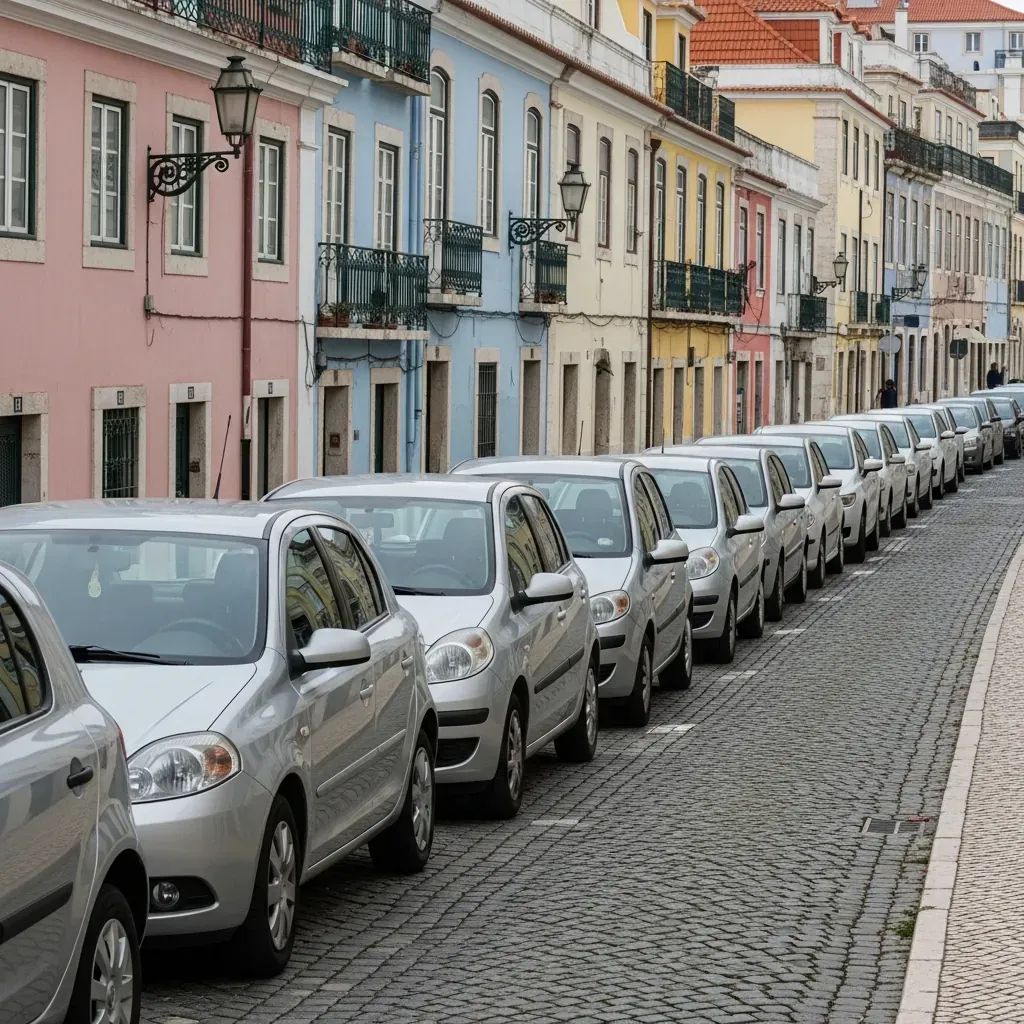
More cars on the road, smaller pay-checks in drivers’ pockets, and a regulatory debate that keeps slipping on the parliamentary calendar – that, in essence, is where Portugal’s TVDE (Transporte em Veículos Descaracterizados a partir de Plataforma Eletrónica) universe now stands. What started as a poster child for digital mobility has morphed into a crowded marketplace where supply outpaces demand and economic sustainability is increasingly in doubt.
Quick Glance: What’s Happening?
• Vehicle fleet has ballooned past 36 000, yet ride volume is not keeping pace.
• Driver earnings often sink below the legal minimum after fuel and commission.
• January protests by the Somos TVDE movement shut down apps in Lisbon and Porto during peak hours.
• APTAD wants an overhaul of Law 45/2018, including minimum fares and caps on platform commissions.
• Government promise to revise the rules has slid twice since 2022; a draft is still pending.
• EU Directive 2024/2831 must be transposed by 2026, forcing better labour protections on digital platforms.
A Boom That Out-ran Demand
The maths are straightforward and brutal. Between March and December 2025 the active fleet climbed from roughly 34 400 to 36 400 vehicles, while passenger appetite remained flat. The Institute for Mobility and Transport (IMT) confirms a parallel rise in certified drivers – peaking near 39 400 – yet the average number of rides per car has dropped. In economic terms the sector operates “below the viability threshold,” APTAD warns.
Why the discrepancy? Platform giants Uber and Bolt continue to recruit to guarantee instant pick-ups, a strategy that keeps wait times low but pushes utilisation rates under 50 %. With each kilometre shared among too many steering wheels, revenue per driver shrinks and vehicles clock fewer paying hours each day. The result is an industry where one in three cars never recovers its fixed costs, from insurance to the spiralling price of fuel.
Drivers Under Pressure
Behind the wheel, the human impact is stark. Many operators report net monthly earnings of barely €650 after a standard 40-hour week; some stretch to 18–20-hour shifts to clear loan payments. Turnover is high, training schools keep churning out new license holders, and the promised flexibility of platform work mutates into a form of perpetual availability.
“It’s a race to the bottom,” says Ricardo Mestre from Somos TVDE, the civic group that orchestrated last week’s rolling outages of the apps. By coordinating staggered log-offs, the movement highlighted how algorithmic pricing can shave cents off fares yet leaves the platforms’ 25 % commission untouched. For Lisbon commuters, that translated into longer waits and higher surge multipliers – a glimpse, protesters argue, of life with fewer but fairly paid drivers.
Platforms Feel the Heat
Both main platforms insist that dynamic pricing, fuel-surcharge adjustments and driver bonuses already balance the equation. Yet investors are watching churn data with growing unease. APTAD points to an emerging landscape of thousands of micro-fleets, often one-car companies, each vulnerable to any spike in maintenance or interest rates. Consolidation is accelerating as small proprietors lease out vehicles to larger fleets, shifting risk down the chain.
Meanwhile, Madeira’s regional government has frozen new TVDE licences, citing traffic saturation, while Porto’s municipal assembly is studying “occupancy quotas” to keep empty cars from circling the city centre.
Lawmakers on the Clock
In Lisbon, a promised draft amendment to Law 45/2018 missed its December 2025 deadline. The holdup: parties cannot agree on whether to impose a licence moratorium, introduce minimum fares, or simply align national rules with the upcoming EU directive on platform workers’ rights. Proposals on the table include:
Guaranteed tariff floor indexed to fuel prices.
Weekly cap on driver availability to curb marathon shifts.
Commission ceiling that would force platforms to share price cuts proportionally.
Occupancy-rate trigger blocking new vehicles if utilisation dips below 55 %.
Mandatory Portuguese-language fluency tests for new applicants.
Parties of the left argue the state must protect income and safety; liberal benches counter that over-regulation could stifle tech-led services and push prices higher for riders.
Taxi Sector Squeezed – But Divided
Traditional cabs see an opportunity – and a threat. Operators want equal access to airport pick-up zones and the freedom to use app dispatches without abandoning meter tariffs. Yet union leaders fear that dual licensing would erase the public-service status that allows municipalities to limit taxi numbers. The Competition Authority has urged a level playing field, warning that current rules hurt consumers through higher fares and fragmented services.
What Lies Ahead
Three scenarios dominate corridor talk:
• Soft Reform – minor tweaks, EU directive absorbed, but no cap on vehicle growth. Likely outcome: continued erosion of driver income.
• Hard Reset – licence freeze, minimum fare, commission cap; fleet stabilises near 30 000 cars within two years, wages creep up.
• Market-driven Contraction – rising interest and fuel costs thin the ranks without state action; risk of service gaps in low-demand districts.
For commuters, the next six months will signal which path wins. For drivers, the question is more immediate: can they keep the wheels turning until the rules catch up?


