The Portuguese Stock Index (PSI) has climbed to 9,450.42 points, marking its highest level since June 2008. For investors, pension holders, and anyone with exposure to Portuguese equities, this milestone reflects renewed confidence in Portugal's corporate sector alongside broader European market strength.
Key Market Movements:
• Historic benchmark: The PSI hasn't traded at these levels in nearly 18 years, signaling investor optimism about Portugal's blue-chip companies.
• Energy context: Crude oil stands at approximately $111 per barrel (Brent), while natural gas trades around €50 per MWh, reflecting ongoing geopolitical tensions affecting energy markets.
• Broad-based gains: 13 of the index's 18 listed companies posted gains, led by CTT (+3.17% to €6.51), indicating solid investor appetite across the market.
Blue-Chip Rally Powers Index to 18-Year Peak
Mid-morning trading in Lisbon saw the PSI advance 0.86%, with 13 stocks in positive territory. State postal operator CTT led the charge, jumping 3.17% to €6.51 per share.
Paper and pulp exporters also drove gains. Altri surged 2.38% to €4.95, Semapa gained 1.58% to €22.55, and Navigator added 1.54% to €3.43. These commodity-linked plays benefit from renewed export demand and a weaker euro, which stood at $1.1540.
Portugal's largest lender, BCP, rose 1.50% to €0.88, while cork giant Corticeira Amorim climbed 1.38% to €6.63 and telecom operator NOS advanced 0.90% to €5.61.
Retail conglomerate Sonae edged up 0.81% to €1.98, energy major EDP gained 0.59% to €4.74, and supermarket chain Jerónimo Martins rose 0.58% to €20.86. Utilities REN (+0.39% to €3.84), construction firm Mota-Engil (+0.25% to €4.74), and renewables player EDP Renováveis (+0.21% to €14.26) posted more modest advances.
Only two stocks declined: restaurant operator Ibersol fell 2.16% to €10.86, and oil refiner Galp dipped 0.09% to €21.12. Teixeira Duarte held flat at €0.45.
Geopolitical Tensions Shape Energy Markets
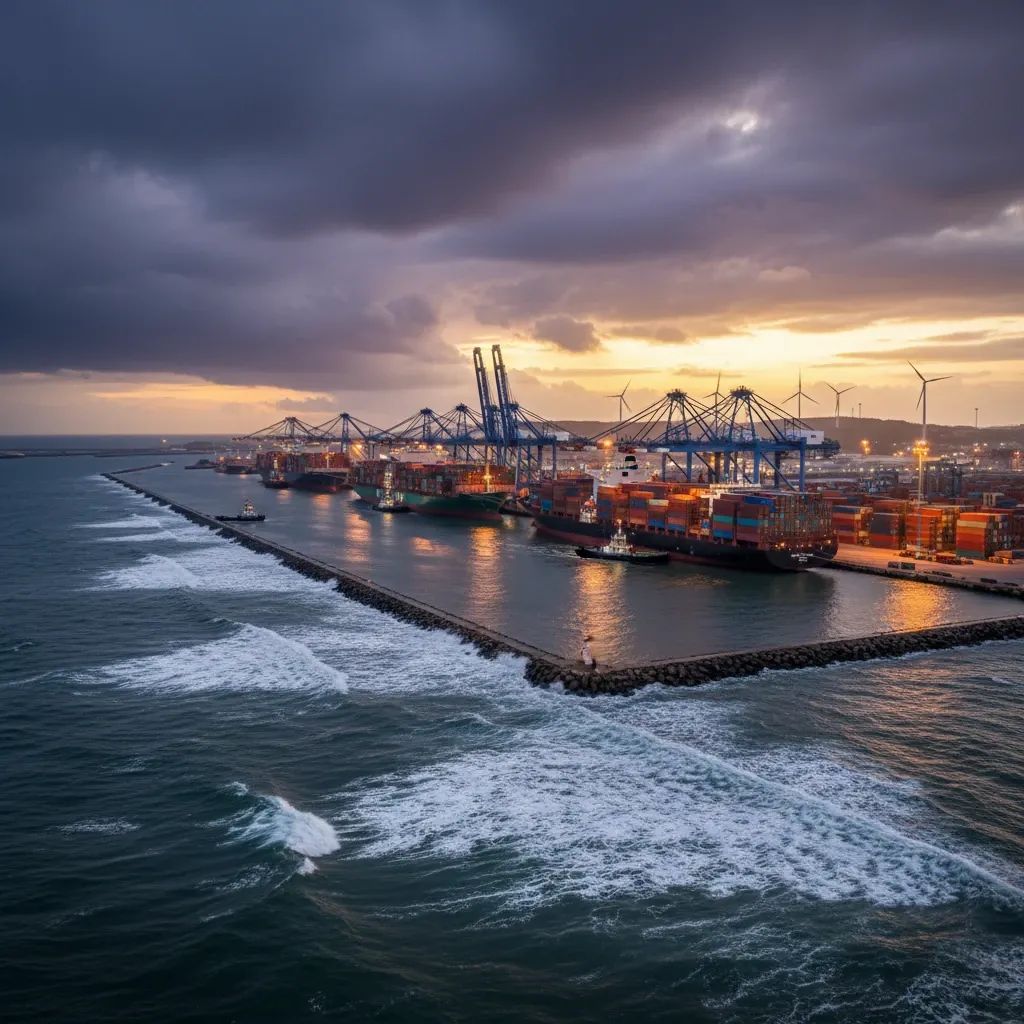
The market rally unfolds against a backdrop of geopolitical uncertainty. US-Iran negotiations over the Strait of Hormuz remain unresolved, with the waterway—which handles roughly 20% of the world's seaborne oil and liquefied natural gas—facing disruptions following recent tensions.
Brent crude has risen to approximately $111 per barrel, up from around $70 in late February, while natural gas has climbed to roughly €50 per MWh. These energy price movements add pressure to Portugal's import bill and have broader implications for the eurozone economy.
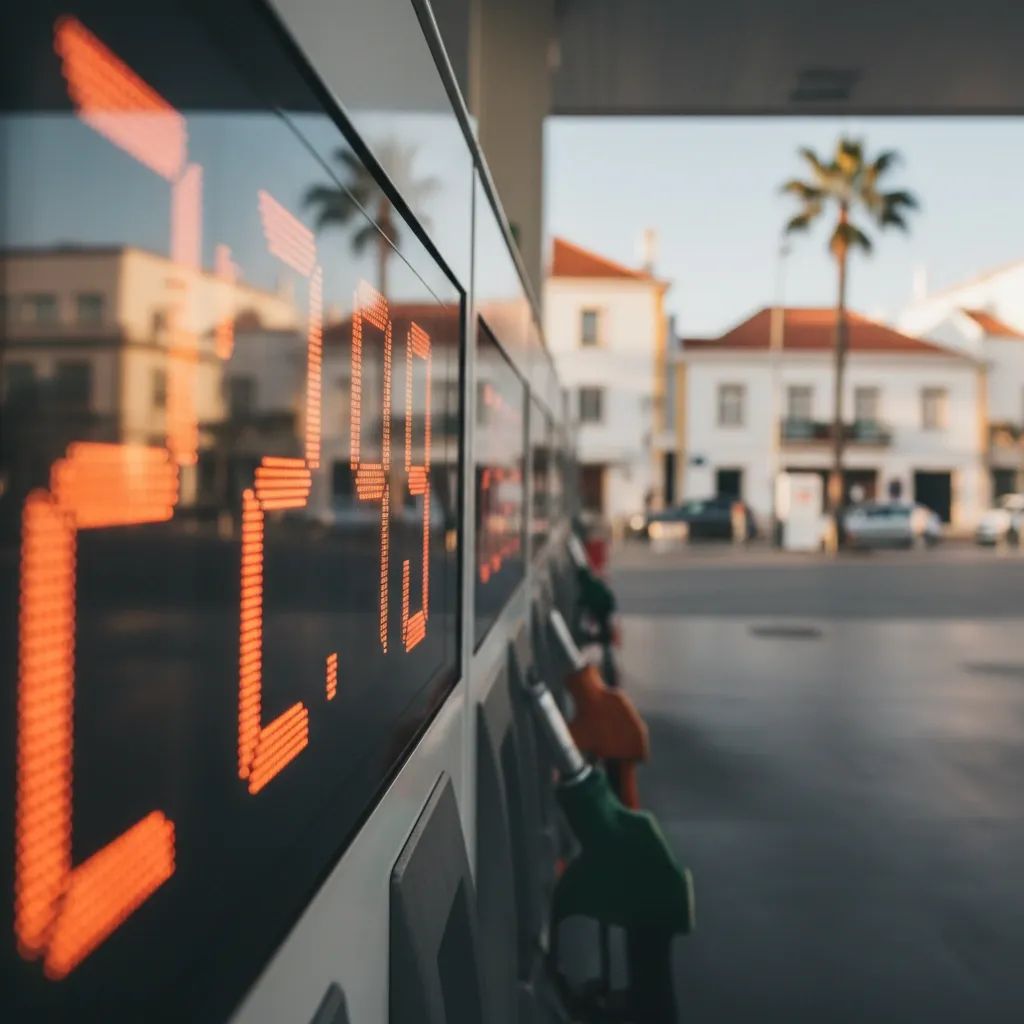
For Portuguese households and businesses, elevated energy costs can translate to higher pump prices, increased electricity charges, and raised shipping costs for imported goods. Energy-sensitive sectors—including paper exports, retail logistics, and refining—face particular exposure to sustained crude and gas price volatility.
What This Means for Portuguese Investors
Portugal's equity market strength reflects domestic corporate performance, European policy stability, and global investor appetite. The PSI's climb to today's 9,450 points demonstrates investor confidence across major sectors.
For equity holders: Companies with diverse revenue streams and pricing power have performed well. Energy-sensitive plays face margin pressure if refining spreads narrow or if higher energy costs persist.
For bond investors: Rising oil prices affect the broader European economic picture and central bank policy decisions, potentially influencing Portuguese sovereign yields and fixed-income returns.
For pensioners and savers: Higher energy costs can erode purchasing power, with implications for real incomes, particularly for those on fixed pensions.
For real estate: Portugal continues to attract international capital seeking diversification and stability, which may support residential and commercial property markets.
European Session Reflects Mixed Sentiment
Continental bourses opened with modest gains Tuesday as traders returned from the Easter break. The mood reflects cautious optimism tempered by geopolitical uncertainty. Market participants are watching for S&P Global's final March services PMI readings for Germany, France, and the eurozone, as well as April Sentix investor confidence data.
Precious metals showed mixed signals. Gold edged down 0.22%, while silver fell 0.92% to $72.15 per ounce, suggesting some repositioning after recent moves.
Currency markets were steady, with the euro holding at $1.1540 against the dollar. The single currency has weakened since late 2025 as diverging growth outlooks support the greenback. For Portugal, a weaker euro aids exporters but increases the cost of dollar-denominated imports, notably energy.
The Road Ahead
The PSI's climb to an 18-year high underscores Portugal's corporate resilience and the appeal of European equities. However, the rally's trajectory depends on factors extending beyond Portugal's control, particularly the resolution of Middle East tensions and their impact on global energy prices. Coming days will provide clarity on whether current market momentum continues or faces headwinds from geopolitical developments.