Liga Portugal's president has downplayed rising tensions between the country's top clubs, insisting that record stadium attendance and a 37% drop in violent incidents prove that Portuguese football is heading in the right direction—even as rivalry between FC Porto and Sporting CP reaches fever pitch.
Why This Matters:
• Stadium safety has improved dramatically: Violent incidents at professional matches fell from 3,096 to 1,951 through early January 2026, despite packed stands.
• Portugal's UEFA ranking climbed to sixth place, securing more lucrative European competition slots for domestic clubs starting in the 2027/28 season.
• Marítimo earned promotion to the top tier after clinching the second-division title on May 2, marking the club's 44th appearance in the Primeira Liga.
• Leadership is urging restraint as FC Porto closes in on the league title while Sporting and Benfica battle for runner-up.
Sporting Tensions Dismissed as "Healthy Rivalry"
Speaking from Madeira after Marítimo FC secured the Segunda Liga championship with a 3-2 victory over Leixões, Reinaldo Teixeira was asked whether recent verbal sparring between FC Porto and Sporting threatened the integrity of domestic competition. The Liga Portugal chief brushed aside the concern, pointing instead to measurable progress in fan behavior and league competitiveness.
"What I see is more supporters in stadiums and fewer incidents involving those supporters," Teixeira told Sport TV. "We've had a 37% reduction in infractions, and what we want is positive messaging and good examples. Banter and messages happen on the pitch, but within the league, the priority is ensuring nothing undermines the integrity of any competition."
The remarks came against a backdrop of escalating institutional friction. In recent weeks, FC Porto and Sporting CP have traded accusations through official communiqués, with disputes spilling beyond the league into cup fixtures and even security protocols. On April 22, the two clubs clashed in the Taça de Portugal semi-final second leg at the Estádio do Dragão, a goalless draw that sent Sporting through to the final. The match was marred by a pre-game incident in which Sporting's team bus was briefly prevented from entering the stadium through a revised access point—a change requested by the visitors due to prior insults directed at club president Frederico Varandas. Former Porto director José Guilherme Aguiar accused Sporting of attempting to use a "back door," while Sporting publicly criticized what it described as Porto's "repugnant" conduct and signaled plans to raise the matter with government authorities.
Violence Down, Attendance Up
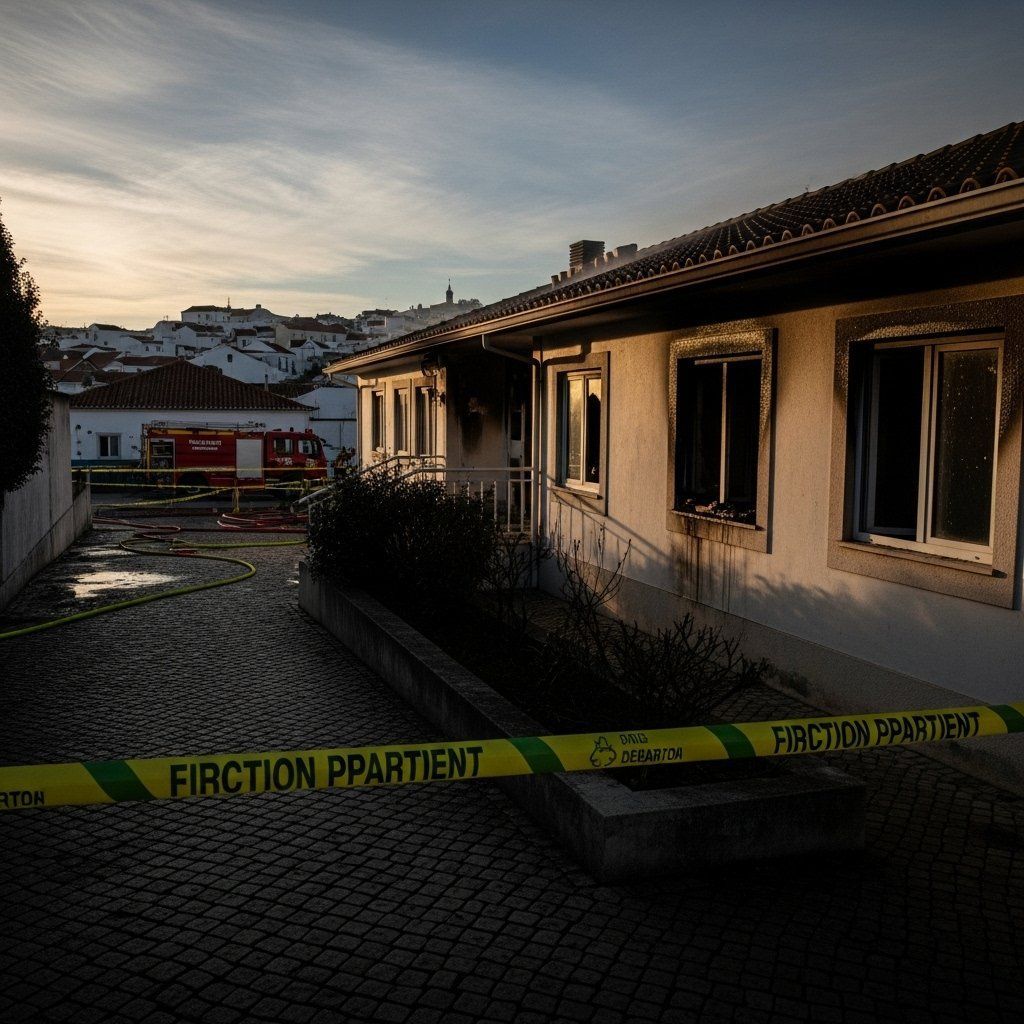
Despite the high-profile feuding, Portugal's professional football environment has grown measurably safer. Data compiled by the Autoridade para a Prevenção e o Combate à Violência no Desporto (APCVD) showed that total recorded incidents at Liga Portugal matches dropped from 3,096 in the comparable 2024/25 period to 1,951 through early January 2026. The largest category—illegal pyrotechnics use—fell from 2,014 to 1,225 cases, while physical assaults declined from 50 to 42, and organized brawls virtually disappeared, dropping from 15 to a single incident.
As of late February, 437 individuals remained banned from entering stadiums, with roughly 72.5% of those interdictions stemming from pyrotechnic offenses. Fines levied during 2025 totaled €141,100, and the average ban length stood at 15 months. Authorities remain vigilant about the rise of "casual" supporter groups, organized factions whose primary focus is physical confrontation rather than club loyalty.
Teixeira highlighted the paradox: stadiums are fuller than ever, yet safer. Marítimo's home ground, for example, averaged 72% occupancy this season—a figure the Liga Portugal president praised as evidence that passionate, vocal support need not translate into disorder. "Seeing fans singing and celebrating without insults in a stadium that's nearly three-quarters full makes football more beautiful," he said. "The Marítimo supporters deserve even more praise than the club itself."
Marítimo Returns to Top Tier After 116-Year Journey
Founded in 1910, Marítimo will enter its 44th season in Portugal's top flight when the 2026/27 campaign begins in August. The Madeira-based side has won the Segunda Liga three times and participated in nine European campaigns, making it one of the country's most storied provincial clubs. Friday's triumph—the club's third second-division title—was celebrated by thousands of fans in Funchal, many of whom poured onto the pitch after the final whistle.
"Marítimo will turn 116 years old in September, and they're returning to the main tier with a distinguished record," Teixeira noted. "This is a club that has earned its place through hard work, and I wish them luck in the Primeira Liga."
The Segunda Liga title race went down to the wire. Only on the final matchday was the champion confirmed, and playoff spots for promotion remain undecided. Leixões entered Friday's fixture hoping a victory would keep their own playoff hopes alive, but Marítimo's attacking performance extinguished those ambitions.
What This Means for Residents and Football Fans
For Portuguese football followers, the developments carry both symbolic and practical weight. Portugal's rise to sixth in the UEFA coefficient rankings—achieved through strong collective performances by Benfica, Porto, and Sporting in European competition—guarantees enhanced revenue streams and more direct qualification routes to the Champions League and Europa League starting in 2027/28. Typically, the sixth-ranked nation secures two automatic Champions League group-stage berths and multiple Europa League entries, amplifying the financial health of domestic clubs and raising the league's international profile.
At the same time, institutional rivalry at the top of the pyramid risks overshadowing on-field progress. With FC Porto on the verge of claiming the 2025/26 league title and Sporting and Benfica locked in a battle for second place, tensions are likely to persist through the final rounds. League officials are counting on club leadership to model restraint, especially as the season enters its closing weeks and European qualification hinges on final standings.
Teixeira's closing message was unambiguous: responsibility starts at the top. "Directors are the main actors, and we must all contribute—starting with me—to provide better stages and conditions for players and fans, and to project the best image abroad," he said. "This year we reached sixth in the UEFA ranking, and that demands even more responsibility. I don't know anything as universal as football, and we all share the duty to uphold these values and set good examples that bring so much joy to supporters and communities."
Final Standings and Next Steps
As the Segunda Liga wraps up its 32nd round, attention now shifts to the playoff picture and the final promotion slot. Marítimo's ascent is confirmed, but the identity of the second promoted side—and the teams that will contest the playoff—remains unresolved. Meanwhile, in the Primeira Liga, the title race is all but settled, though European qualification and relegation battles will define the season's final chapters.
For now, the message from Portugal's football authorities is clear: celebrate success, embrace competition, but keep the focus on the pitch. Whether that balance holds through the final whistle of the season will depend as much on boardroom discipline as on the talent of the players wearing the shirts.