

The Portugal Ministry of Agriculture and Sea and the Ministry of Economy and Territorial Cohesion have launched a €20M recovery fund aimed squarely at farms that took a beating during the January–February storm season. The money, disbursed as non-refundable grants covering 50% of eligible costs, is designed not only to patch up damage but to future-proof operations against climate shocks.
Farmers across mainland Portugal have until 17:59 on May 29 to apply through the Banco Português de Fomento (BPF) portal. The deadline leaves a narrow window for producers who must document losses, design modernization projects, and navigate the application process—all while managing planting schedules and lingering infrastructure damage.
Why This Matters
• €20M in grants: Small and medium-sized farms can claim 50% reimbursement for resilience projects between €400,000 and €1.2M.
• Proof of damage required: Applicants must submit declarations from regional development agencies (CCDR), municipalities, insurers, or independent experts.
• Work must start by August 31, 2026, with a maximum 24-month execution window.
• Additional credit lines available: Firms can secure 100% reimbursable loans for ineligible expenses and working capital through BPF programs.
Storm Losses Top €775M Across Agriculture and Forestry
The Confederation of Farmers of Portugal (CAP) pegged agricultural and forestry damage at more than €775M, with the farm sector alone accounting for roughly €500M. Depressions Kristin, Leonardo, and Marta lashed the Centre, Lisbon and Tagus Valley, and Alentejo regions between January 22 and February 15, destroying greenhouses, warehouses, permanent crops, and livestock facilities.
In Lisbon and Tagus Valley, damage to warehouses and greenhouses alone reached €61.9M out of €107.9M in total declared losses. Permanent crops lost €20.8M, while machinery and equipment accounted for another €8.4M. The pig farming sector was hit especially hard: the Portuguese Federation of Pig Farmers Associations (FPAS) recorded 246 incidents affecting 1.5M animals, with daily generator costs—necessitated by widespread power outages—running around €600 per family farm.
Beyond physical assets, the storms severed electricity, water, and communications for days, crippling operations during peak production cycles. Critics, including the CAP, have noted that while the scale of the disaster was clear within weeks, concrete support measures took time to develop, leaving producers managing rebuilding costs through private credit or out-of-pocket spending.
Eligibility Hinges on Documentation and Scale
To qualify for the IFIC Notice 08/C05-i14.01/2026, applicants must be micro, small, or medium-sized enterprises engaged in primary agricultural production and able to prove storm-related damage. Acceptable evidence includes:
• CCDR declarations (regional development coordination commissions)
• Municipal certifications
• Insurance claims
• Bank statements showing emergency outlays
• Independent expert reports
Projects must fall within the €400,000 to €1.2M investment band and focus on one or more of the following:
• Physical resilience: Reinforcing or replacing installations, greenhouses, irrigation systems, and energy or communication infrastructure
• Diversification: Introducing products not previously cultivated on the holding
• Emerging technology adoption: Precision agriculture tools, renewable energy systems, climate monitoring sensors, or cloud-based farm management software
Eligible expenses include civil works (including cabling), purchase or leasing of machinery, architect and engineer fees, environmental and energy efficiency consulting, and software licenses, patents, or trademarks.
Tight Timeline Adds Pressure
The investment must begin by August 31, 2026, and be completed within 24 months, with a possible six-month extension. This compressed schedule means applicants need to have suppliers, contractors, and technical advisers lined up before submitting—or risk delays that could jeopardize fund drawdown.
For many smaller producers, the administrative burden is significant. Filing damage reports, assembling project budgets, and coordinating with municipal and regional authorities can take weeks, even when simplified. The CAP has flagged bureaucratic coordination as an important consideration for timely recovery.
Complementary Financing for Gaps and Cash Flow
Beyond the 50% grant, the BPF offers 100% reimbursable loans under PRR-backed credit lines to cover:
• Non-eligible expenses (e.g., land acquisition, VAT, working capital unrelated to the resilience project)
• Short-term liquidity needs during project execution
This dual structure—grants for capital improvements, loans for operational gaps—aims to keep farms solvent while rebuilding. However, uptake of reimbursable credit has historically been uneven, with some producers wary of taking on debt amid volatile commodity prices.
How Portugal's Response Compares
The €20M facility is one piece of a broader national response. Portugal has also allocated €40M for smaller-scale recovery (projects between €5,000 and €400,000), with 100% reimbursement up to €10,000 and 80% for insured farms or 50% for uninsured above that threshold. Other EU member states have similarly mobilized disaster relief, with the European Commission's RESTORE regulation, adopted in December 2024, now permitting member states to redirect European Regional Development Fund (ERDF) money at 100% EU financing for disaster recovery, without national co-funding.
What This Means for Producers
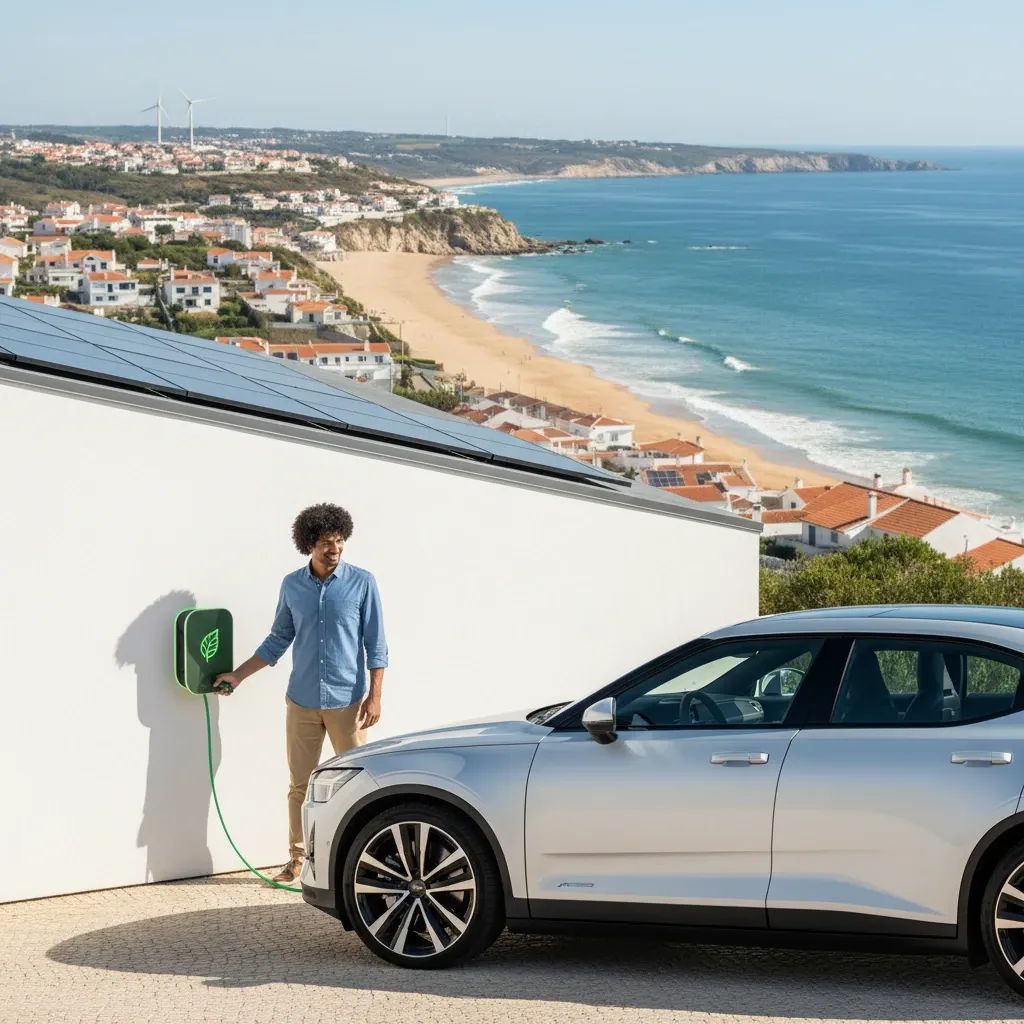
For eligible farms, the contest represents a rare opportunity to secure capital-intensive upgrades—solar arrays, automated irrigation, climate-controlled storage—at half-price. The co-financing structure favors those who can already access bank credit or have cash reserves to front the other 50%, a dynamic that may disadvantage smaller, under-capitalized operations.
Key action items:
Gather damage documentation now: Contact your municipality, CCDR, or insurer to obtain formal declarations before the May 29 deadline.
Scope projects to the €400,000 minimum: Bundling several upgrades—e.g., greenhouse reinforcement plus a solar installation—may be necessary to meet the threshold.
Engage technical consultants early: Engineering and architecture fees are eligible, but the design work must be completed in time to submit a credible project plan.
Budget for the unsubsidized half: Ensure you have financing—either internal cash flow or a BPF credit line—to cover the 50% not reimbursed by the grant.
Plan for a two-year buildout: Contractors are in high demand post-disaster; secure commitments and material supplies in advance.
Program Overview and Support
Agriculture Minister José Manuel Fernandes emphasized that "restoring the agricultural productive potential destroyed by the storms contributes to maintaining employment, territorial occupation, and production." The program creates dedicated funding to respond to storm damage and strengthen the resilience of agricultural production and facilities.
The €20M facility represents a significant state intervention to help farmers recover and rebuild. While complementary financing options are available through the BPF, farmers should prioritize gathering documentation and planning projects early to meet the May 29 application deadline and the August 31, 2026 investment start requirement.


