
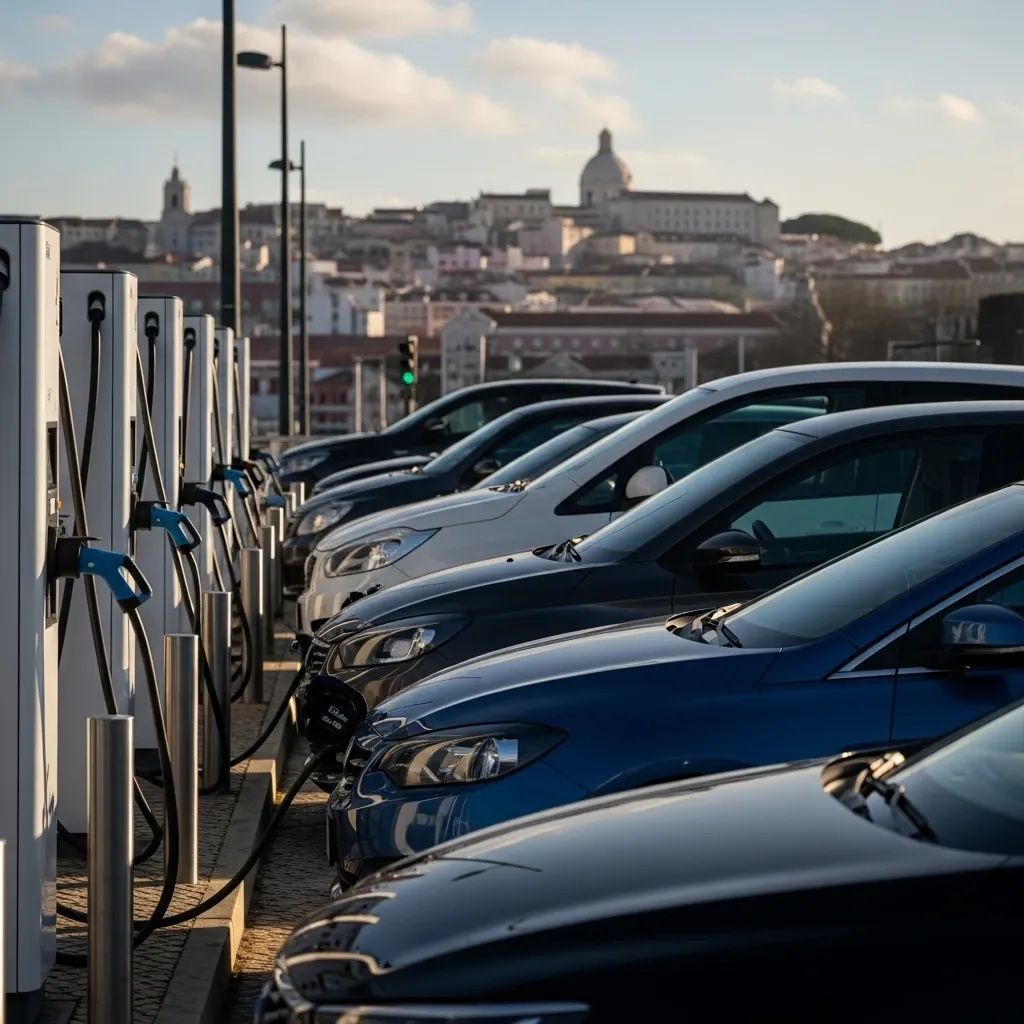
After weeks of anticipation, Portugal’s latest round of state aid for battery-electric cars vanished in the blink of an eye. The digital application portal opened mid-morning and, before many coffee breaks were over, the entire pot was spoken for—leaving latecomers staring at a greyed-out button and wondering whether 2026 will bring a second chance.
Why it matters
• €3 K to €4 K incentives per vehicle disappeared in hours
• Applications topped the 10 M € budget almost instantly
• Lisbon and Porto residents claimed a large share, highlighting regional gaps
• Surge underscores Portugal’s fast-rising demand for cleaner transport
A rush for green wheels
Twitter feeds of would-be buyers filled with screenshots of loading pages as the environmental fund’s website struggled under the surge. Dealers in Setúbal, Braga and the Algarve confirmed that several customers had already secured Vehicle Identification Numbers (VINs) in advance, ready to paste them into the online form the moment it went live. This year’s programme promised up to 4 000 € back on the purchase of a new, zero-emission car—roughly 10 % of the average sticker price for a compact EV in Portugal.
How the incentive works
The subsidy, managed by the Fundo Ambiental, reimburses private buyers after registration—no leasing companies or ride-hailing fleets allowed. Applicants must own the car for at least 24 months and scrap any previous combustion vehicle to unlock an extra 1 500 € bonus. Because the purse is limited, support is awarded on a first-click, first-served basis once all documents are uploaded, a system critics say favours tech-savvy urbanites with speedy fibre connections.
What drained the fund so fast?
Several factors converged:
Record EV sales: Nearly 41 % of new cars registered in Portugal in 2025 were electrified, according to ACAP.
Delayed fiscal changes: Buyers rushed to beat a rumoured revision of the ISV (vehicle tax) that could narrow the price gap with petrol models.
Corporate spill-over: Although companies are excluded, many employees receiving cash-for-car allowances opted to purchase personally and claim the rebate.
Dealers also report that the weak euro has nudged foreign brands to hold promotions, shaving an extra €2 000-€3 000 off inventory cars. The cumulative savings made the government cheque too good to pass up.
Regional disparities in charging access
While Lisbon boasts more than 1 300 public chargers, people in Beja or Bragança still face long detours to find fast charging. Consumer group DECO argues that subsidies without parallel infrastructure risk widening the mobility gap. The Energy Agency (ADENE) counters that 500 new rapid chargers financed by the PRR recovery plan will come online before summer.
Industry reaction and consumer frustration
The Portuguese Auto Association applauded the demand spike as proof the market is ready to “go electric”, yet called for a rolling-fund mechanism instead of annual sprints. Luís Cardoso, who lost out despite logging in within four minutes, summed up social-media sentiment: “I did everything right—proof of purchase, fiscal documents—and still missed the cut. It feels like buying concert tickets.” Some dealers fear cancellations now that the subsidy is gone, predicting Q1 sales could slump unless a top-up is announced.
What comes next?
Environment Minister Maria da Graça Carvalho hinted at a possible supplemental allocation if carbon-credit revenues exceed projections in March. Lawmakers from across the aisle are already floating ideas: a smaller but permanent €1 500 eco-bonus, or tiered support that favours low-income households. Brussels, meanwhile, is reviewing Portugal’s updated climate plan, which targets 1 million fully electric cars on the road by 2030—five times today’s number.
Key take-aways for residents
• Be prepared: Have purchase documents, NIF, and IBAN ready before the portal opens.• Consider infrastructure: Rural drivers may wish to budget for a home wallbox given limited public chargers.• Monitor budget updates: The government typically announces extra funding, if any, during the spring fiscal review.• Don’t neglect alternatives: Plug-in hybrids and used EVs qualify for smaller but still meaningful incentives.
For now, Portugal’s ambition to decarbonise transport is outpacing the money set aside. Unless fresh funds appear, the next application window could be even shorter—so mark your calendars and keep your browser tabs warmed up.


