
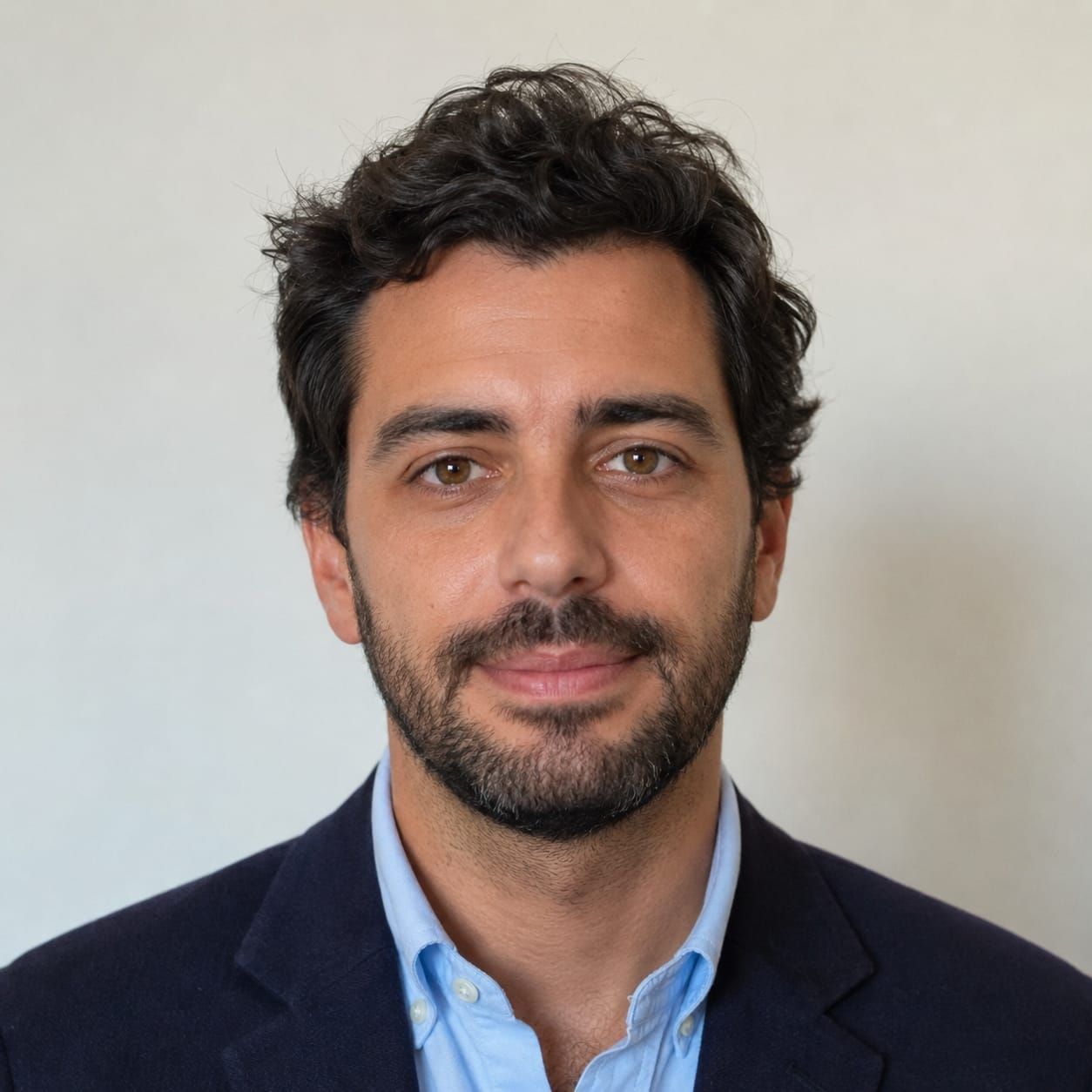

The Botafogo football club has appointed Franclim Carvalho as its new head coach, a strategic return for the 39-year-old Portuguese tactician who served as assistant coach during the club's historic double-winning campaign in 2024. The announcement, made on April 2, aims to halt a dramatic collapse that has left the reigning Brazilian champions in 15th place and perilously close to the relegation zone in Brazil's Serie A—the country's top division.
Why This Matters
• Familiar face returns: Carvalho was part of the technical staff that delivered Botafogo's Copa Libertadores and Serie A titles in 2024, bringing institutional memory back to a club in crisis.
• Contract security: The deal runs through December 2027, signaling a medium-term project rather than a panic hire.
• Derby debut: His first match is expected to be Saturday's high-stakes showdown against Vasco da Gama, offering immediate vindication or scrutiny.
• Portuguese coaching wave: This hire continues Brazil's reliance on Portuguese tacticians, a trend that began with Jorge Jesus in 2019 and peaked with Abel Ferreira's dominance at Palmeiras.
The Scale of the Challenge
Carvalho inherits a team in freefall. Botafogo has conceded 27 goals in nine league rounds—the most of any Serie A side—and holds a precarious position just three points above the relegation zone with nine points from nine matches, though they have a game in hand. Two heavy defeats have punctured morale, and the defensive frailty is glaring.
The contrast with last season is stark. Under Artur Jorge—Carvalho's former boss—Botafogo dominated Brazilian football, securing the Copa Libertadores (South America's premier club competition) and the domestic Serie A title in a campaign that elevated the club to continental glory. Jorge departed for Cruzeiro in the off-season, and his Argentine replacement, Martín Anselmi, lasted barely three months before being dismissed on March 22 following a string of poor results, including elimination from the Libertadores qualifiers and struggles in early league matches.
Botafogo's leadership publicly acknowledged the disconnect. "Although we have great appreciation for Anselmi and his staff, and much respect for their dedication and work ethic, we did not see the evolution, progress, and results we expect from a champion club," the statement read, signaling a desire to recapture the winning identity of 2024.
Why Carvalho Was Chosen
The decision to appoint Carvalho is rooted in continuity and familiarity. He knows the squad, the organizational structure, and the club's recent winning formula. During his tenure as Jorge's assistant, he contributed to shaping the tactical identity that brought silverware to Rio de Janeiro. Botafogo's board views him as an "internal solution"—a coach who can bypass the typical adaptation period that often trips up foreign hires.
Carvalho brings his own technical team, including assistants Luís Felipe and Luís Viegas, fitness coach Fábio Monteiro, and goalkeeping coach Ricardo Matos. This cohesive staff structure suggests a clear vision and methodology, potentially restoring the discipline and consistency that eroded under Anselmi.
The Portuguese coach had been eyeing a head coach role for some time. He declined an offer to join Jorge at Cruzeiro as assistant, preferring to establish himself as a first-team manager. His only prior experience in that capacity came during the 2021/22 season at Belenenses SAD, a stint that ended in relegation to Portugal's second tier. That failure will loom over his appointment, but Botafogo is betting that his success as an assistant—and his familiarity with the club—will translate into results.
What This Means for Residents and Expats
For Portuguese expats in Brazil, particularly those in Rio de Janeiro, Carvalho's appointment is another chapter in the ongoing migration of Portuguese coaching talent to the country's top league. Since 2010, 23 Portuguese coaches have managed clubs in Brazil's top divisions, a phenomenon that began with Jorge Jesus at Flamengo in 2019 and reached its zenith with Abel Ferreira's 11 titles at Palmeiras, including two Copa Libertadores crowns and two Brazilian championships.
This trend has accelerated the modernization of Brazilian football, introducing more scientific methodologies, advanced analytics, and tactically organized systems. However, the record is mixed. Beyond Jesus and Ferreira, many Portuguese managers have struggled with the intense calendar, long-distance travel, and cultural pressure inherent in Brazilian football. High-profile flops include Paulo Sousa at Flamengo, Jesualdo Ferreira at Santos, and Álvaro Pacheco at Vasco.
The appointment also sets up an intriguing subplot: Carvalho will face his former mentor, Artur Jorge, whose Cruzeiro side is competing in the same league. The student-teacher dynamic adds narrative spice to an already crowded fixture list.
Tactical and Cultural Hurdles
Carvalho must navigate the grueling Brazilian calendar, which affords little time for tactical refinement or recovery. The league's physical demands and transcontinental travel schedules differ sharply from the more structured rhythms of European football. Additionally, the emotional intensity of Brazilian fanbases and the relentless media scrutiny create a high-pressure environment where results are demanded immediately.
Portuguese coaches are known for their analytical rigor and tactical discipline, but success in Brazil requires blending those strengths with adaptability to local playing styles and personalities. Carvalho's ability to manage player relationships, communicate effectively in Brazilian Portuguese, and read the unique tempo of Serie A will determine whether he can replicate the success he enjoyed as an assistant.
The Immediate Agenda
Beyond the league, Botafogo remains active in multiple competitions. The club faces Caracas FC, Independiente Petrolero, and Racing Club in Group E of the Copa Sudamericana—South America's secondary continental club competition, equivalent to the Europa League. They are also in the Round of 32 in the Copa do Brasil, where they will meet Chapecoense.
Domestically, the club was eliminated from the Rio de Janeiro state championship by Flamengo in the quarterfinals, managed by another Portuguese coach, Leonardo Jardim. That loss underscored the depth of the crisis Carvalho is walking into.
His debut is likely to come on Saturday in the derby against Vasco da Gama, a fixture that will test his tactical adjustments and the squad's mental resilience. Alternatively, he could make his first appearance in the dugout on April 9 against Caracas in the Sudamericana, though the domestic derby is expected to take priority.
A Bet on Institutional Memory
Carvalho's appointment is a gamble on familiarity over novelty. Rather than importing another foreign name with a flashy résumé, Botafogo has turned to someone who lived the recent glory days from the inside. Whether that institutional memory can be converted into on-field results—and whether Carvalho can prove he belongs in the head coach seat—will become clear in the coming weeks. For now, the club has traded revolution for restoration, hoping that a known quantity can steady the ship before it sinks.


