
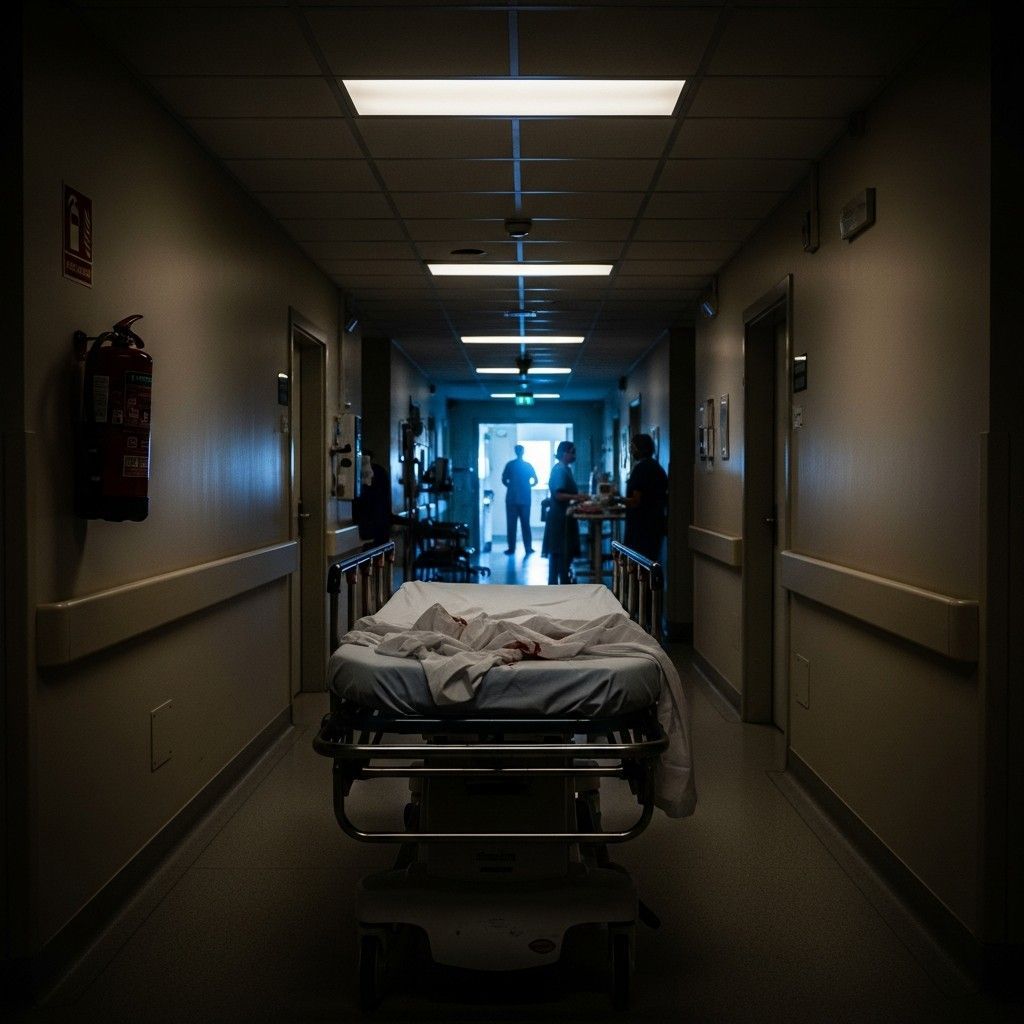
Portugal’s public hospitals find themselves at a crossroads after a high-stakes meeting between the new association representing tarefeiros and Health Minister Ana Paula Martins. Hopes of a definitive solution to the skyrocketing cost of short-term medical staffing now balance against fears of service disruptions in already fragile emergency departments.
A conversation long overdue
The round-table held in Lisbon brought face-to-face Ana Paula Martins, the Government’s principal steward of the Serviço Nacional de Saúde (SNS), and the leadership of the nascent Associação dos Médicos Prestadores de Serviços (AMPS). The gathering revolved around the Government’s October decree that caps hourly rates, imposes fresh incompatibility rules, and sketches a “green lane” for these doctors to move into permanent contracts. While the minister insisted her first mission was to “listen”, she left no doubt that the cabinet expects 100 M€ in savings, beginning with a projected 29 M€ cut next year. AMPS president Nuno Figueiredo e Sousa later described the tone as “cordial”, yet conceded that the 5-week deadline now set for detailed counter-proposals places intense pressure on a workforce already stretched thin.
Money, manpower and the math behind the decree
Recent audits reveal the SNS paid more than 174 M€ to tarefeiros by the third quarter of the year, after shelling out 212.5 M€ in 2024. Roughly 4 048 physicians still operate on a freelance basis despite a mild decline since January. Almost two-thirds of emergency rosters depend on these contractors, many of whom earn 35-60 €/hour. The Finance Ministry argues that levelling pay between permanent staff and outsiders is the only way to tame an expense line that has grown 11.7 % in twelve months. Hospital managers privately acknowledge that without these service contractors, several regional accident-and-emergency units would simply shut their doors on weeknights.
Doctors under strain: what the tarefeiros really want
For the clinicians in question, the debate extends beyond euros. They highlight the absence of career progression, limited access to continuous training, and a sense of institutional detachment from multi-disciplinary teams. Many object to the proposed rule barring departures from the SNS followed by a 3-year prohibition on freelance work within the same service. According to AMPS, nearly 1 000 practitioners had weighed a coordinated withdrawal from emergency duties before the new association prevailed on them to wait for the minister’s response. They argue that quality hinges on stable rotas, proper supervision, and clear clinical accountability, not merely on trimming a wage bill.
Hospitals on the edge: immediate consequences
The fragility of the current model surfaced starkly when the Unidade Local de Saúde de Castelo Branco warned about cash-flow constraints that would delay payment to roughly 50 contracted doctors this month. Other inland units concede privately that similar arrears could follow if Treasury-promised transfers slip. Health economists note that each unpaid invoice risks pushing doctors toward more lucrative private-sector shifts, threatening a domino effect on hospital cover. For citizens in rural districts, where permanent specialists are scarce, the possible knock-on impact on ambulance diversions and waiting-time targets is already causing unease.
What could change for every patient
Should the decree survive largely intact, the ministry hopes to convert freelance hours into ordinary contracts, tighten budget predictability, and restore a sense of equity among hospital teams. Critics counter that an abrupt clamp-down may drain the very pool that keeps night-time emergencies open. The next few weeks will therefore be pivotal: AMPS is crafting a dossier of alternative pay scales, transition timelines, and training incentives aimed at squaring fiscal prudence with clinical safety. For people in Portugal who rely on the SNS daily, the success—or failure—of that balancing act will decide whether the coming winter is remembered for smoother care or for queues outside overcrowded corridors.


