
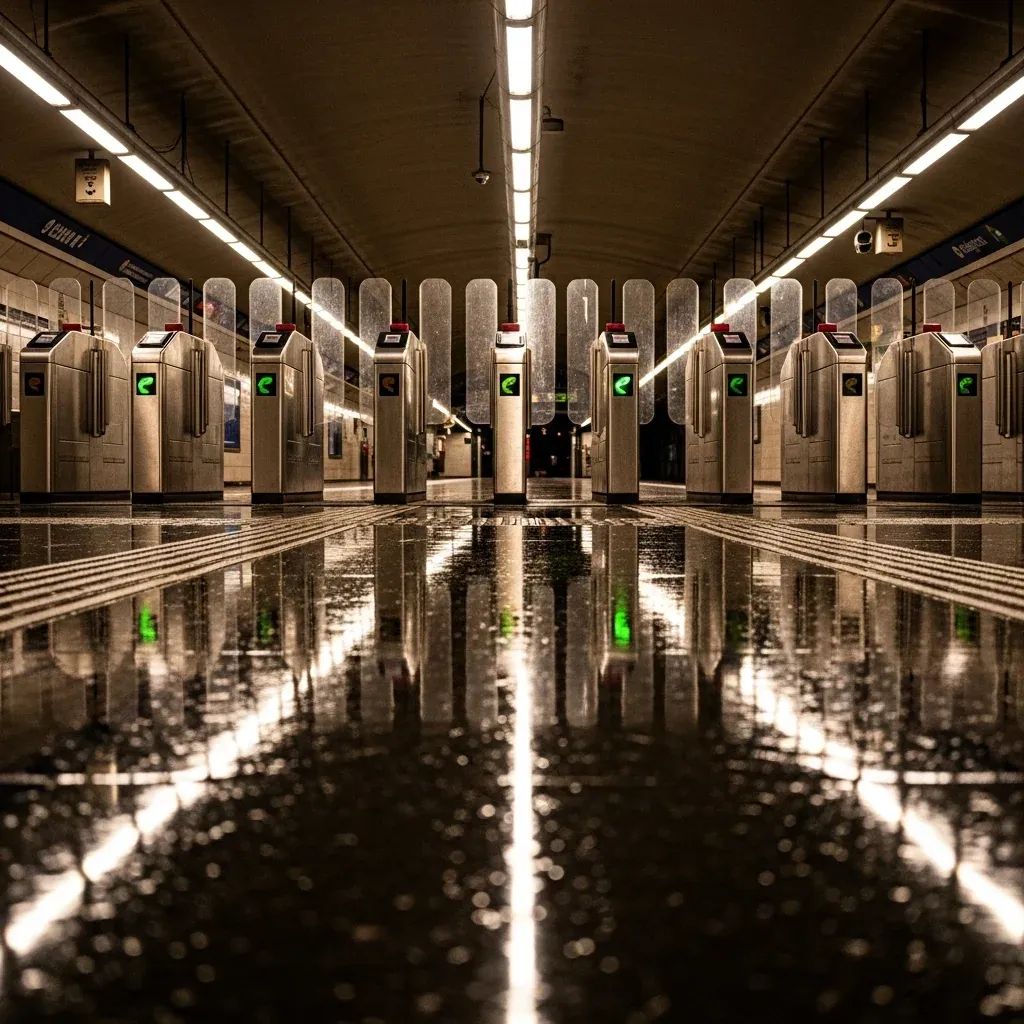
Torrential rain, Christmas shopping crowds and now a nationwide strike: Portuguese commuters woke up this Thursday to a perfect storm on the roads, in the air and on the rails. From Lisbon’s deserted metro tunnels to Porto’s truncated bus schedules, transport services look very different today—and the after-shocks will roll into the weekend.
Snapshot: What Thursday Looks Like
• Around 50 % of the workforce is believed to be taking part, according to union estimates.
• Rail traffic: 13 of 76 long-distance trains guaranteed; most regional services axed.
• Lisbon Metro: fully closed; earliest reopening expected at dawn on Friday.
• Air travel: TAP and foreign carriers running at roughly one-third capacity; hundreds of passengers re-booked.
• Road traffic: extra congestion on the A2, A5 and VCI as public-transport users switch to cars.
Where the Pain Is Sharpest
The strike, called jointly by CGTP and UGT, was timed to hit urban mobility nodes. The Metro de Lisboa shutdown means commuters from Amadora, Odivelas and Linha de Cascais must rely on buses or cars—services already overstretched by holiday shopping. In the north, only the yellow line of Metro do Porto is running, forming long queues at Trindade station, while STCP buses operate on a skeleton timetable after 21:00.
Along the Tagus, Fertagus is running 25 % of its suburban trains, enough to keep basic commuter flows alive but not the late-morning shoppers. Cross-river ferries by Transtejo/Soflusa have slim windows—06:00-09:30 and 18:30-20:00—leaving some Almada residents banking on car-pool groups organised on social media.
How Portugal’s Service-Minimum Rule Works
Under Article 537 of the Labour Code, the government may impose “serviços mínimos” to protect essential needs. In practice the threshold is low: for CP long-distance trains, only 17 % had to roll today; the Lisbon Metro, where no deal was reached, could legally close entirely. DGERT mediates when unions and companies fail to agree, but commuter advocacy groups complain the public learns final timetables too late to adapt.
Contrast that with France’s five-day notice rule or Germany’s emergency ICE skeleton grid; Portugal’s framework is considered balanced on paper yet opaque in execution. Consumer watchdog DECO is lobbying for automatic ticket refunds when operators fall below 50 % of normal frequency—a proposal now in committee at the Assembleia da República.
Flying? Know Your Rights
Airlines classify today’s action as “extraordinary circumstances”, relieving them from EU cash compensation. Even so, passengers retain three core rights under Regulation 261/2004:
Re-routing or refund – free date change within three days, or money back.
Care – meals, phone calls, hotel if an overnight stay is forced.
Information – written notice of the above, plus hotline numbers.
TAP has emailed re-booking links to all affected customers; Iberia, Air Europa and TAAG followed suit. Insurers remind travellers to keep receipts for taxis and meals; many policies reimburse “travel disruption” up to €250.
Union Anger vs. Government Optimism
Union leaders condemn the proposed “Trabalho XXI” labour package as a giveaway to employers, citing longer fixed-term contracts and easier dismissals. UGT’s Mário Mourão warns of a second general strike if talks stall. The government, by contrast, insists the walk-out is “inexpressive” and touts the reform as key to better wages, more investment and a leaner state. Analysts note that public sentiment is split: a recent ISCTE poll found 61 % support for today’s strike, yet small-business lobbies report normal staffing in retail and hospitality.
What Europe Can Teach Us
Europe’s transit heavyweights deploy several tactics Portugal might copy:
• Real-time apps in Paris display precise carriage occupancy, easing crowding.
• Bike-share surge pricing caps in Barcelona prevent gouging when buses stop.
• Automatic monthly-pass credit in Berlin compensates users after cumulative delays exceed 120 minutes.
Lisbon City Hall is studying a pilot refund scheme for Navegante holders, but funding remains uncertain.
Surviving the Next 48 Hours
• Check before leaving: CP, Carris and ANA Airports update feeds every 30 minutes.• Work-from-home flexibility: many firms allow ad-hoc remote days under the pandemic-era telework decree.• Consider car-sharing: BlaBlaCar and local WhatsApp groups are seeing a spike in offers between Setúbal, Leiria and the capital.• Mind the return leg: services may restart late Friday, but full normality is unlikely before early Saturday.
For the moment, patience—and a backup plan—remain the commuter’s best allies amid Portugal’s largest strike in more than a decade.


