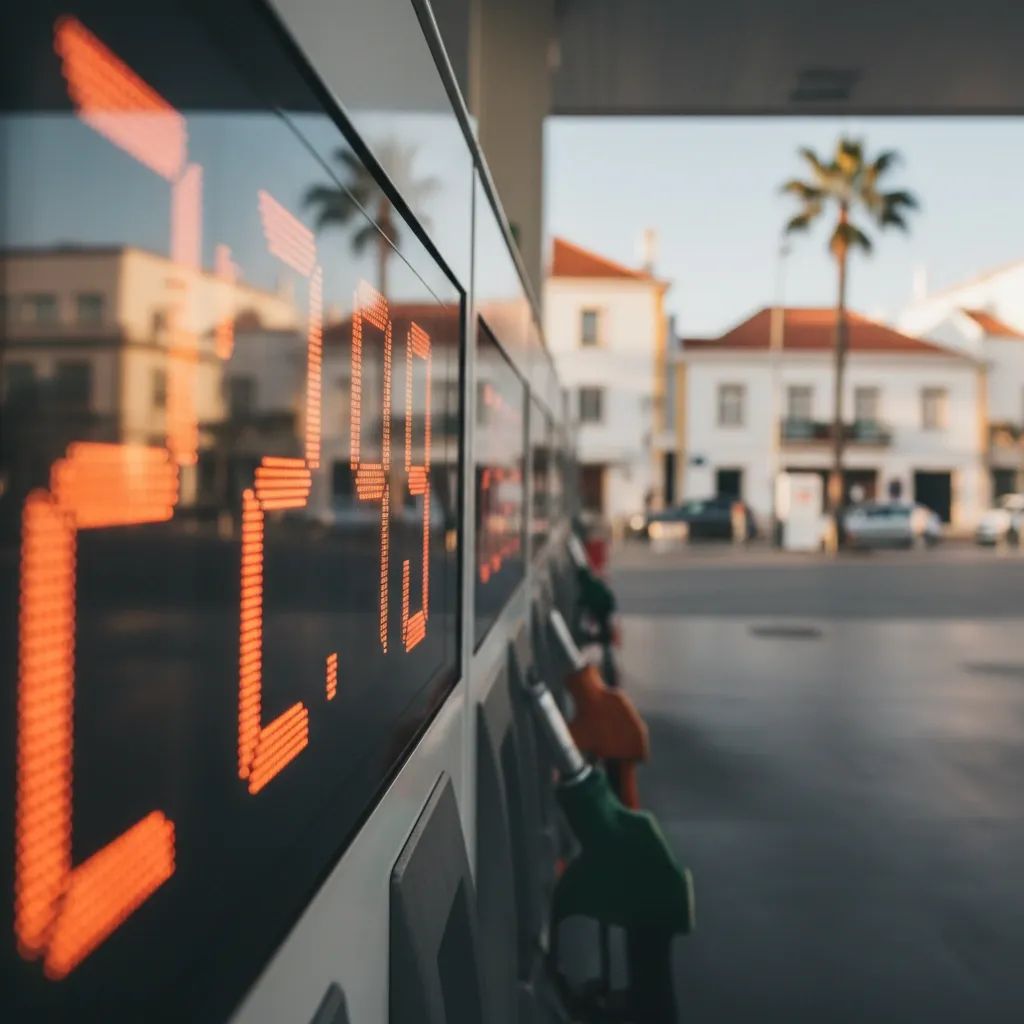
Portugal’s cost-of-living needle finally eased in 2025, but not enough to erase the bruises left by last year’s price surge. The average inflation rate slid to 2.3%, a notch lower than 2024 and far below the eye-watering peaks of 2022, yet still above the European Central Bank’s coveted 2% target. Families felt the relief most at the petrol pump, while grocery bills kept climbing.
At a glance
• Average inflation for the full year: 2.3%
• December year-on-year rate: 2.2%
• Energy prices: ‑2.4% in December, first calendar year decline since 2020
• Unprocessed food: up 6%, outpacing all other categories
• Core inflation (ex-energy & fresh food): 2.1% in December
• Official, final figures due from Instituto Nacional de Estatística on 13 January 2026
Why the slowdown matters for Portuguese wallets
A one-tenth percentage-point dip may look modest on paper, yet it translates into hundreds of euros of savings on household outlays over 12 months. Even so, studies by consumer groups show 50% of residents still feel poorer than a year ago. The reason? Rent, mortgage costs and supermarket staples rose faster than average pay cheques, keeping the squeeze on disposable income.
Inside the 2025 price roller-coaster
Inflation did not fall in a straight line. After touching 2.8% in August, the rate cooled steadily through autumn thanks to cheaper fuel and softer service prices. Core inflation—often seen as a better barometer of persistent pressures—stayed below headline CPI for most of the year, confirming that one-off shocks were losing force. Still, food inflation remained stubbornly high, preventing a sharper overall drop.
Energy: from villain to ally
Plummeting oil and wholesale gas quotes, coupled with a mild winter, pushed Portugal’s energy index down 2.4% in December. For drivers, that meant average unleaded prices close to €1.70/litre, a level not seen since early 2023. The fall also fed through to electricity tariffs, easing utility bills just as households switched on heaters. Lower energy costs alone shaved roughly 0.4 percentage points off 2025 inflation, according to the Banco de Portugal.
Food prices still biting
Conversely, the 6% jump in unprocessed foods—vegetables, fruit, meat and fish—kept shoppers on edge. Retailers blame adverse weather in Spain and Morocco, higher global feed costs and logistics bottlenecks. The industry association APED warns that supply contracts negotiated this winter point to another 5-7% hike in meat and seafood by mid-2026. Until fresh produce cools off, analysts expect supermarket promotions to remain aggressive and private-label goods to gain market share.
The policy backdrop: ECB brakes and Lisbon cushions
Behind the numbers lies the European Central Bank’s rapid tightening cycle between July 2022 and September 2023. Higher borrowing costs slowed credit growth and tempered demand, a textbook recipe for curbing price pressures. On the fiscal side, Lisbon kept electricity VAT cuts and fuel tax rebates in place for most of 2025, cushioning consumers but also trimming public revenue. Economists caution that if global energy markets turn volatile again, the window for such support could close quickly.
How households felt the pinch
Surveys from GfK and Havas reveal a growing trend toward “defensive consumption.” Shoppers are:– switching to discount chains and smaller packaging sizes;– delaying big-ticket purchases like cars and appliances;– funnelling spare cash into time-deposit savings accounts, now yielding above 2.5%.Moreover, Portugal’s per-capita purchasing power, at €16,943, remains well below the €20,291 EU average, underscoring why even modest inflation erodes living standards more sharply here than in northern Europe.
Looking ahead: can 2026 finally hit 2%?
Forecasts converge on a 2% landing zone next year. The Banco de Portugal projects exactly 2.0%, the Government sees 2.1%, and Brussels concurs. Key variables to watch:
Wage settlements: any catch-up pay rises could reignite service inflation.
Global energy prices: Middle-East tensions or harsh winter spells could reverse recent declines.
ECB policy: rate cuts are on the table for late 2026, but only if underlying inflation remains tame.For households, that means a year of relative price calm—but little room for complacency. Budget discipline and smart shopping will still be the order of the day.
Data sources: Instituto Nacional de Estatística, Banco de Portugal, APED, GfK, Havas Media Network.