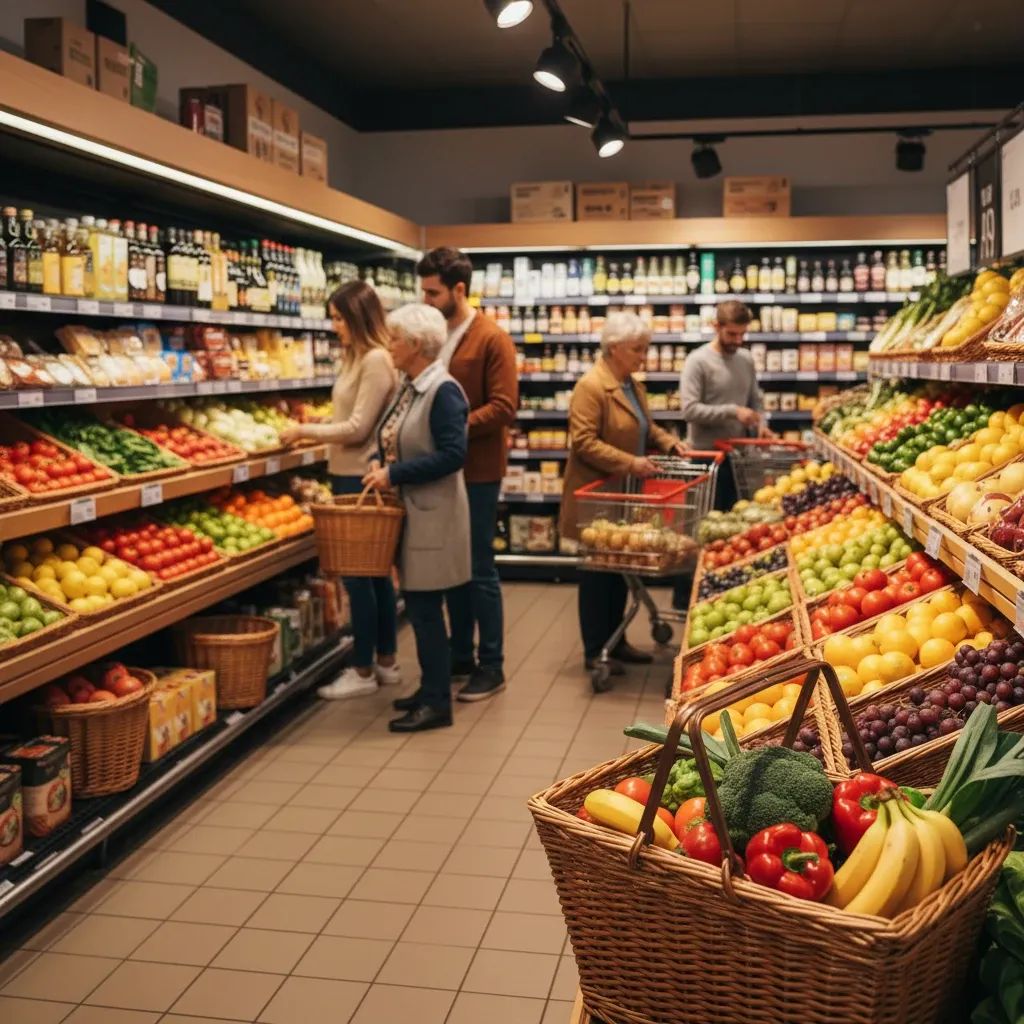
Deco Proteste, the Portugal consumer watchdog, has recorded a price drop in its monitored food basket for the first time since mid-March, offering modest relief to households grappling with a cost-of-living squeeze that has pushed grocery bills to historic highs. The essential basket now costs €258.52, down €2.37 from the prior week—a symbolic reversal after seven consecutive weeks of increases that had driven the measure to its highest point since tracking began in January 2022.
Why This Matters
• Weekly Reprieve: The €258.52 price tag marks the first decline since late March, interrupting a seven-week climb that peaked at €260.89.
• Annual Strain: The same basket of staples cost €19.10 less (7.98% cheaper) one year ago, and €70.82 less (37.73% cheaper) in early 2022.
• Volatile Items: Cereals, leafy greens, and sliced bread saw double-digit percentage jumps in the final week of April, while long-term pressure remains acute on beef, eggs, and certain vegetables.
What Drives the Volatility
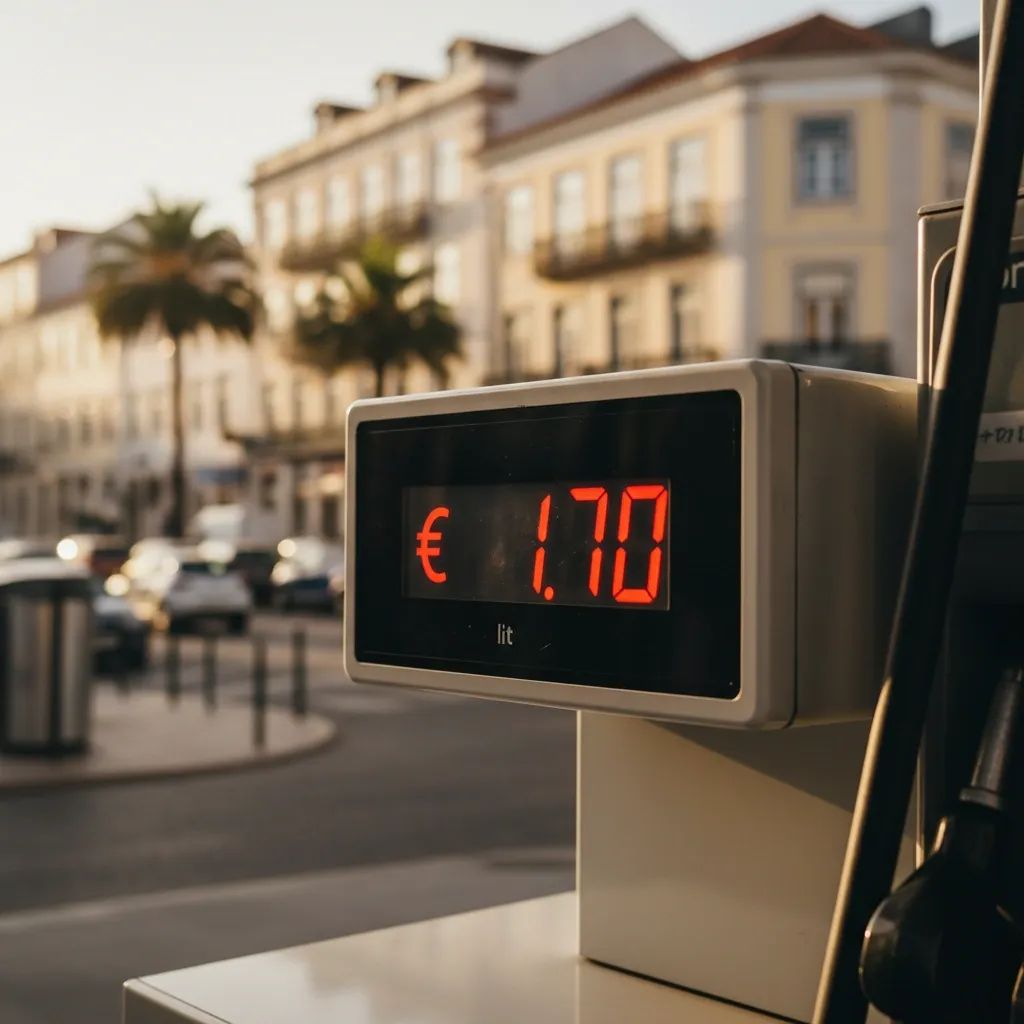
Portugal's grocery inflation has outpaced headline consumer price growth this year, driven by a cocktail of external shocks and domestic cost pressures. The Bank of Portugal revised its inflation forecast upward in March, projecting 2.8% annual inflation for the year, while the Public Finance Council expects 2.9%—both figures significantly above the central bank's earlier estimates. Energy prices lie at the root: fuel costs surged 11.7% in April, up from 5.7% in March, amplifying second-order effects across the food supply chain.
Unprocessed foods have accelerated at an even steeper clip, jumping 7.5% year-on-year in April compared to 6.4% in March. The Portugal Confederation of Farmers (CONFAGRI) has pleaded for expanded aid, citing a €0.42-per-litre increase in agricultural diesel since March—against which the government's €0.10 subsidy provides scant cushion—and a 30% spike in nitrogen-based fertilizers. Lisbon announced a €20 M support package for fuel and fertilizer costs and a further €60 M for irrigation infrastructure, but producers argue the sums fall short of covering real-world cost escalation.
Extreme weather at the start of the year compounded supply disruptions. Storms across the Iberian peninsula damaged vegetable crops, while the Middle East conflict lifted energy feedstock prices, cascading through logistics, cold-chain storage, and processing. The Deco Proteste basket captures this turbulence: between April 22 and 29, fibre cereals jumped 16% to €4.36, curly lettuce rose 13% to €2.69, and crustless sliced bread climbed 8% to €2.59.
Long-Term Price Shifts
Examining the trajectory since early 2022 reveals just how dramatically the grocery landscape has shifted for residents. Beef for stewing has risen 124% to €13.04 per kilogram—the most extreme increase in the entire basket. Kale has doubled in price, now trading at €2.00 per kilogram (a 101% increase), and eggs have surged 84% to €2.10 per half-dozen.
On a one-year basis, kale remains the standout, up 43%, while sea bass has climbed 34% to €10.52 per kilogram and broccoli is 32% more expensive. These figures underscore the persistent vulnerability of fresh produce and animal protein to both climate variability and regulatory costs. New European Union directives on animal welfare and environmental standards require capital investment in housing, emissions control, and traceability—outlays that trickle down to retail shelves.
Outlook for the Months Ahead
The Portuguese Association of Distribution Companies (APED) warns that meat and fish are likely to post the steepest increases in the months ahead, potentially reaching 7% above current levels. APED president Gonçalo Lobo Xavier has called these rises "inevitable," pointing to feed costs—composed of cereals and oilseeds—as well as logistics and energy. Bread and pastries face upward pressure from the minimum-wage increase and higher prices for eggs, nuts, and packaging; any withdrawal of state fuel subsidies would amplify that trend.
Fresh produce remains exposed to regulatory and climatic headwinds. Between January and March, zucchini spiked 38%, red snapper 28%, and cabbage 27%, signaling that volatility is far from over. Coffee and cocoa, staples in Portuguese households, continue to climb on the back of harvest disruptions in Brazil and West Africa, geopolitical instability, and speculative commodity flows.
Offsetting these pressures, some categories offer hope. Pork, milk, eggs, olive oil, and coffee are not expected to rise further—and several may even decline. Olive oil, which reached record highs after two consecutive years of drought-damaged harvests, is forecast to drop 14% as Mediterranean production rebounds. Egg and dairy prices have stabilized as feed-grain markets cool and seasonal demand moderates.
What This Means for Residents
For households in Portugal, the brief weekly dip to €258.52 represents cold comfort against a backdrop of relentless cumulative inflation. A shopper filling the same trolley today as in early 2022 now pays nearly 38% more—equivalent to an extra €70.82 per basket, or roughly the cost of a month's utilities in a mid-sized apartment outside Lisbon.
The inflation burden falls disproportionately on lower-income families, who allocate a larger share of their budget to food and have less room to substitute or defer purchases. The Public Finance Council has flagged this regressive impact, noting that energy-driven food inflation erodes purchasing power at a time when wage growth lags behind headline price increases.
Practical strategies include prioritizing private-label goods, buying seasonal produce when abundant, and monitoring weekly price bulletins from Deco Proteste to time purchases around promotional cycles. Residents can also leverage municipal farmers' markets, which often undercut supermarket pricing on fresh vegetables and regional cheeses, and explore cooperative buying groups to consolidate orders and negotiate bulk discounts.
The Bigger Picture
Portugal is not alone in confronting grocery inflation, but its exposure is acute. As a net importer of grains, animal feed, and energy, the country absorbs global commodity shocks with minimal buffering capacity. The Eurozone's monetary policy stance—holding rates steady to contain inflation—has kept borrowing costs elevated, squeezing both producers' access to working capital and consumers' disposable income.
Policymakers face a delicate balancing act: subsidizing inputs risks distorting markets and straining public finances, yet insufficient support threatens farm viability and food security. The government's recent irrigation and fuel packages represent a compromise, targeting infrastructure resilience and short-term cost relief while stopping short of open-ended price controls.
For now, the weekly €2.37 decline offers a psychological breather, but structural forces—energy volatility, climate stress, regulatory compliance, and geopolitical uncertainty—suggest that Portugal's food-price trajectory will remain uneven and upward-sloping in the months ahead. Residents would be wise to budget conservatively, diversify sourcing channels, and stay attuned to weekly price intelligence as the year unfolds.