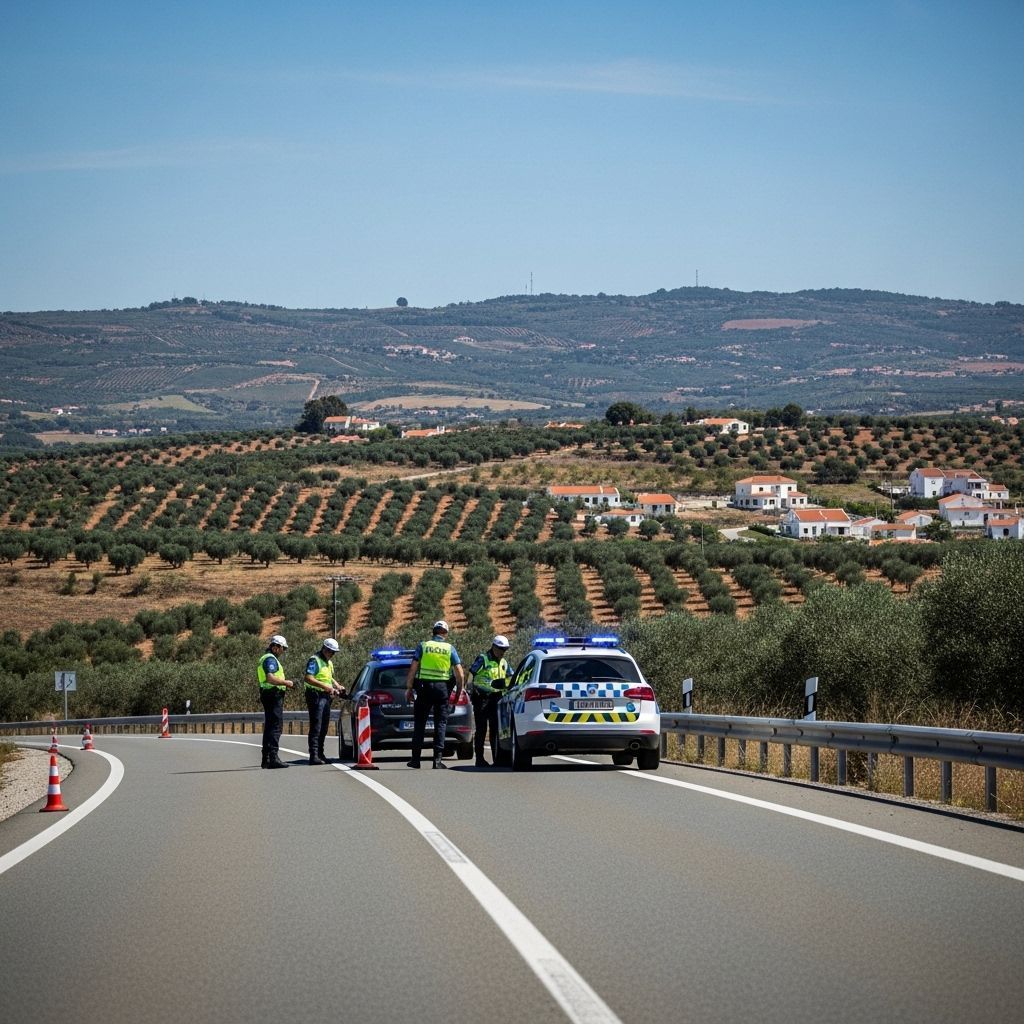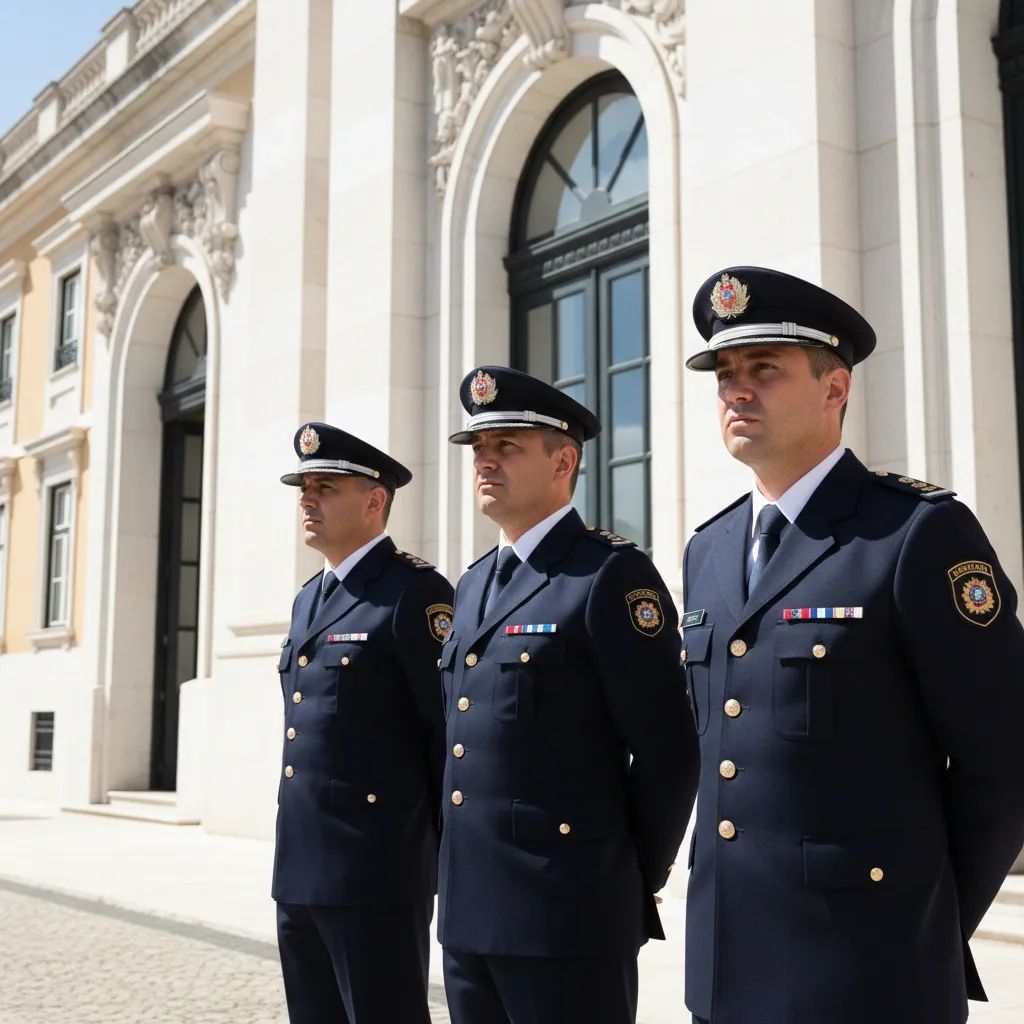
The Portugal National Republican Guard (GNR) is a militarized police force responsible for rural areas, highways, and border security—distinct from the PSP (Public Security Police) that serves urban centers. The GNR now faces an internal crisis as a sweeping pension reform slashes retirement benefits by up to 30%, prompting four major military associations to demand immediate intervention from newly appointed Interior Minister Luís Neves. The move has ignited protests and threatens coordinated demonstrations targeting the Prime Minister and government buildings in Lisbon.
Why This Matters
• Immediate financial impact: GNR personnel retiring under new formulas could lose over €700 monthly compared to previous pension calculations.
• Timeline split: Those enrolled in the State Pension Fund (CGA) after August 31, 1993, face the steepest cuts, with retirement income dropping from 90% of final salary to roughly 60-70% of career-average earnings.
• Mobilization threat: Military associations representing all ranks are planning street protests wherever the Prime Minister appears, plus a major Lisbon demonstration.
The Pension Formula That Sparked Outrage
Under regulatory changes implemented by the Caixa Geral de Aposentações and now in effect across 2026, Portugal's retirement system for GNR officers, sergeants, and enlisted personnel has undergone a radical shift toward convergence with the general Social Security regime. The new rules create a sharp divide based on a single date threshold:
Officers and troops enrolled before September 1993 retain access to pensions calculated at approximately 90% of their final base salary—a formula long considered the foundation of military compensation for restricted civil liberties and hazardous duty.
Personnel who joined after that cutoff now see their pensions computed using a career-average model, resulting in pensions worth 60% to 70% of average career earnings. For those who entered service post-2006, projections suggest retirement income could plunge to just 40% of final salary, creating a three-tiered system within the same force.
Four Associations Demand Emergency Summit
The National Association of GNR Officers (ANOG), the National Association of Guard Sergeants (ANSG), the Association of Guard Professionals (APG), and the Independent Socio-Professional Association of the Guard (ASPIG) issued a joint communiqué requesting an urgent meeting with Minister Neves in the coming week. Their statement cited "enormous discontent within the ranks" and called the issue urgent, given that "military personnel of all categories find themselves extremely wronged by the loss of dignity and nobility of military status."
The plea arrived days after Portugal's Assembly of the Republic rejected bills sponsored by the Chega and Communist Party (PCP) on February 28. Both proposals sought to guarantee retirees a floor of 90% of final earnings, matching the historical standard. Voting patterns revealed stark ideological divides: PSD, CDS-PP, and Liberal Initiative opposed the measures on budgetary sustainability grounds, while the Socialist Party abstained, and Chega and PCP supported the amendments.
In their statement, the associations described the parliamentary defeat as "enormous disrespect" and accused the political establishment of moving GNR personnel toward the general Social Security framework "while ignoring the restrictive labor regime to which they are subjected." That regime includes permanent availability for duty, restrictions on the right to strike, curtailed labor union activity, and heightened physical risk—conditions the groups argue merit special pension consideration across Europe.
What This Means for Active-Duty and Retiring Personnel
For an officer or sergeant approaching retirement with 30 years of service, the new formula can translate into monthly losses exceeding €700. A hypothetical GNR sergeant earning a final salary of €2,000 would previously have expected a pension near €1,800. Under career-average calculations, that figure could drop to €1,200 or less, particularly if early-career wages were significantly lower or if promotions came late.
The cut hits hardest those who joined during the 1990s expansion of Portugal's security apparatus and who are now nearing the standard retirement window. Because the formula averages lifetime contributions, years spent at entry-level pay during training or initial postings drag down the final benefit, even if an officer or sergeant spent a decade or more at senior rank.
How Portugal Compares to European Neighbors
Research suggests Portugal's approach is more restrictive than many EU counterparts, where security forces often retain preferential pension calculations. Several European nations maintain more generous frameworks for military and police personnel, recognizing the restricted labor rights and elevated personal risk inherent to these roles. Spain, France, Germany, and the United Kingdom all offer pension structures that typically preserve closer ties to final-salary calculations or include enhanced benefits for service-related restrictions that the GNR workforce faces.
Portugal's shift toward a career-average model without proportional adjustments for hazardous or restricted conditions places it at the restrictive end of comparable European practices, according to principles emphasized by the International Labour Organization, which underscores the importance of differentiated treatment for roles involving elevated risk and curtailed civil rights.
Planned Escalation and Government Response
The four GNR associations confirmed they are weighing direct-action tactics, including shadowing the Prime Minister to public appearances and organizing a mass rally in Lisbon near either the Ministry of Internal Administration headquarters or the Assembly of the Republic. No specific dates have been announced, but internal communications suggest coordination with parallel movements in the Armed Forces, which face identical pension cuts under the CGA convergence policy.
The Ministry of Internal Administration has not issued a formal public response to the associations' meeting request as of March 3, 2026. However, budget documents released alongside the 2026 State Budget indicate the government prioritized deficit targets and warned that reversing pension cuts would breach fiscal commitments to the European Commission. Officials have pointed to increases in the scale supplement—a variable allowance tied to rank—as evidence of commitment to security-force welfare, but associations counter that supplements do not offset structural retirement losses.
Separately, Portugal approved increases to a special pension supplement for former combatants, with 50% paid in 2026 and the remainder in 2027. The per-year-of-service rate rose from 7% to 10.5%, but that measure applies only to personnel who served in overseas conflict zones, not the broader GNR workforce affected by the pension recalculation.
Impact on Recruitment and Retention
Internal GNR communications acknowledge concern that the changes could accelerate attrition among mid-career personnel and deter new recruits. The force already faces demographic pressures, with cohorts from the 1990s nearing retirement age and recruitment struggling to match outflows.
Union representatives and military associations note that the restricted labor rights inherent to GNR service—no collective bargaining on core pay, limited strike provisions, and mandatory residential requirements in certain posts—were historically offset by retirement security. Removing that guarantee, they argue, upends the social contract underpinning voluntary enlistment and career progression.
The Legislative Path Forward
Prospects for legislative relief appear slim in the short term. The February 28 vote revealed no majority coalition willing to shoulder the budgetary cost of restoring 90% pension floors. Chega and PCP have vowed to reintroduce amendments during future budget cycles, but passage would require either a Socialist Party pivot or defections from center-right blocs currently prioritizing fiscal discipline.
The associations' strategy now hinges on public pressure and media attention, with plans to frame the pension cuts as a breach of faith with citizens who accept heightened personal risk to maintain public order. Whether Minister Neves grants the requested audience—and what concessions, if any, the government might offer—will shape both the immediate political climate and long-term recruitment viability for Portugal's second-largest security force.