
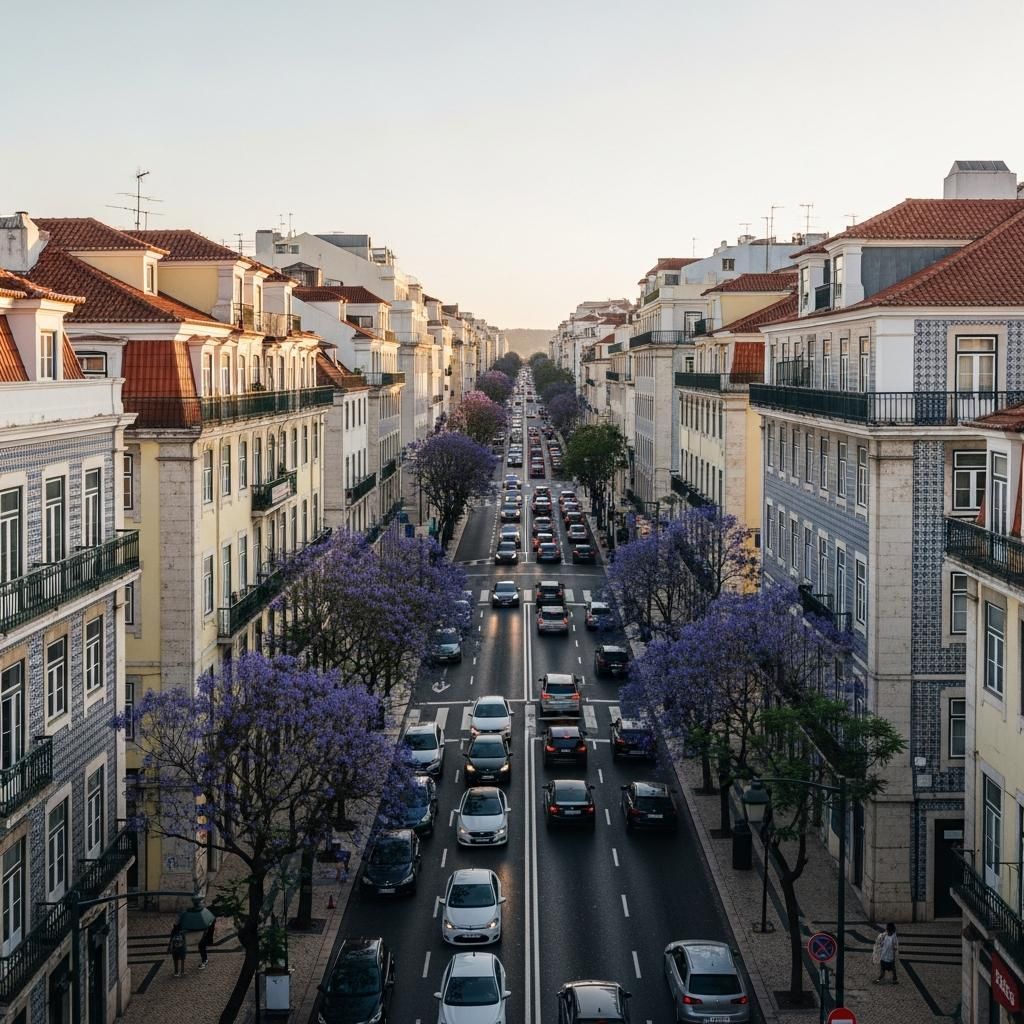
When February 2026 arrives, every car owner in Portugal will face a new ritual: the entire country will settle the Imposto Único de Circulação in the same month. What many feared—a hike in the levy itself—will not materialise, but the compressed schedule still has financial and practical consequences, especially for those who renewed their tax in late 2025. Below, we explore the fine print, the rumours, and the reality behind the shake-up.
What is Changing – and What is Not
The Finance Ministry has repeatedly underlined that base IUC rates remain untouched. Engine size, fuel type and, for post-2007 vehicles, CO₂ output continue to dictate the bill. The genuine novelty is procedural: one nationwide deadline in February replaces the scattered, registration-month calendar Portuguese motorists have known for years. Officials say the switch is part of a wider "Agenda for Fiscal Simplification", designed to curb late-payment fines and eliminate guesswork now that licence plates no longer reveal a car’s age.
The February Deadline: Convenience or Headache?
Supporters argue that a single date makes personal budgeting simpler. Critics counter that households holding several vehicles—think suburban families or small businesses—will feel a sudden cash-flow pinch. Drivers who last paid the levy in, say, November 2025 face another bill just three months later. For them, the reform means an awkward double payment in the first year of the new regime.
Split Payments to Ease the Blow
To soften that impact, the treasury is allowing instalments whenever the charge tops €100. In practical terms, half is due by the end of February, the rest by late October. Below that threshold the tax must be cleared in one go. The ministry frames the option as a nod to families juggling school fees, energy bills and rising mortgage rates. Still, accountants warn that missing the October tranche will trigger the usual interest and penalties.
How Older Cars Could Still Be Affected
Lisbon insists that vehicles registered before July 2007 will not immediately see CO₂ factored in, rebutting viral claims to the contrary. Yet draft white papers circulating in Parliament suggest a gradual convergence between the two regimes in future budgets, beginning—if approved—with 25% of the emissions gap in 2026. The government calls these ideas "technical studies" rather than policy. Owners of high-displacement classics or inexpensive second-hand models should nonetheless keep an eye on the annual Budget debates, where environmental surcharges often emerge late in the process.
Exemptions That Stay in Place
Key waivers survive the overhaul, including relief for people with ≥60% certified disability, emergency vehicles such as ambulances and fire engines, and fully electric cars, which continue to enjoy a tax-free ride as Portugal courts green mobility. Collectors of properly certified historic automobiles—those older than 30 years—retain their long-standing privilege as well. Finance Portal procedures for claiming any exemption remain unchanged: requests must be filed before the tax document is generated.
Industry Reactions and Fiscal Impact
Car-dealer federations, notably ACAP and ANECRA, welcome the effort to modernise tax systems but warn that concentrated liabilities in February and October could stress dealerships obliged to carry unsold inventory. The state, on the other hand, expects steadier revenue streams. In 2024, the IUC yielded €511 M, around 5 % of all automotive tax receipts. Officials believe earlier collection will trim arrears and boost compliance, though they concede the first-year overlap may spark discontent.
Practical Tips for February 2026
Motorists should verify that their Portal das Finanças credentials are up to date, budget for a potentially larger one-month outlay, and consider the instalment plan if eligible. Those who renewed late in 2025 may wish to set a calendar reminder now—any lapse brings automatic fines. Lastly, if you are pondering the purchase of a high-emission pre-2007 model, factor in the possibility—however tentative—of future CO₂ charges. The tax rate may not rise in 2026, but the debate over greener motoring is far from settled.


