
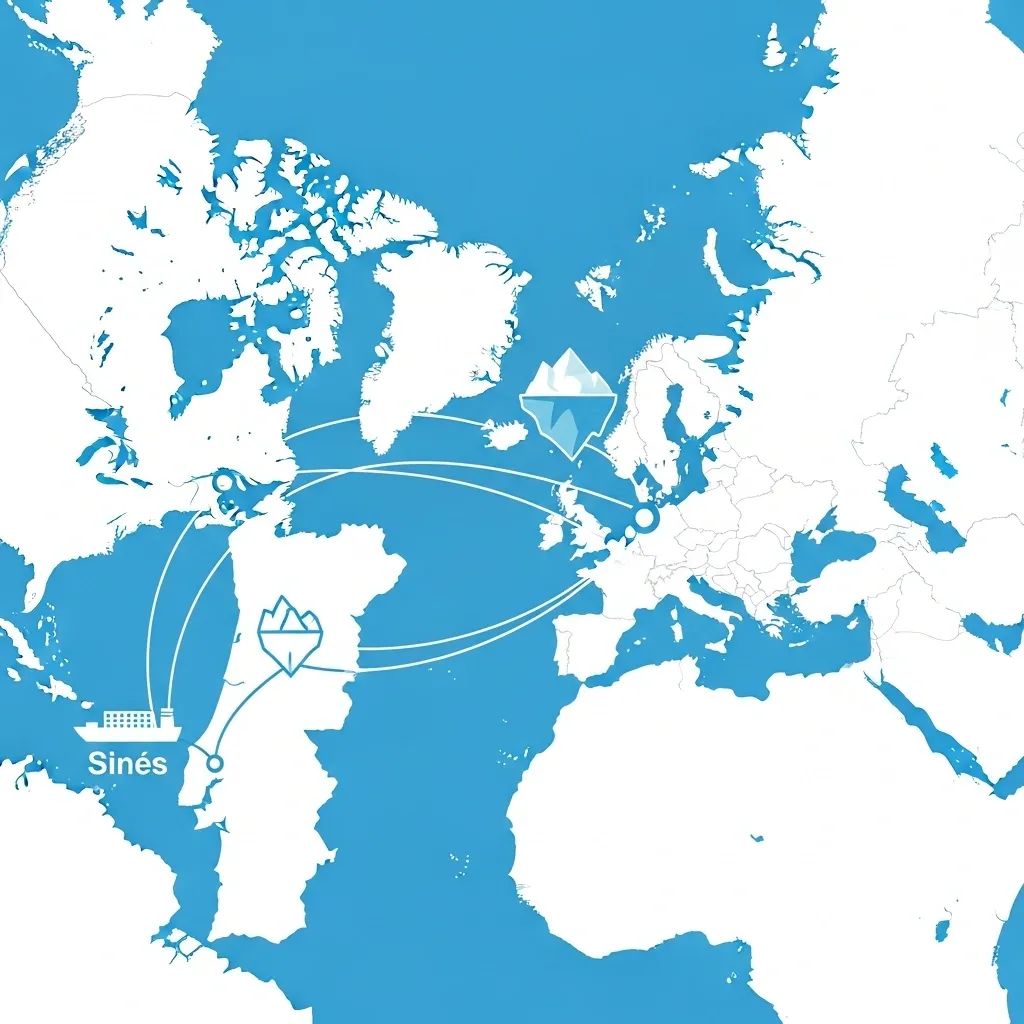
Anxious whispers about Arctic security have reached Portugal even though Lisbon remains publicly non-committal. While several NATO partners put boots on Greenland’s frozen ground, the Portuguese government insists the time for decisions, if any, has not yet arrived—and that stance is sparking both curiosity and concern at home.
Snapshot in a Glance
• Greenland has become the newest geopolitical flashpoint for NATO.
• France, Germany, Norway, Sweden already deployed small contingents near Nuuk.
• Lisbon reiterates respect for international law and Greenland’s autonomia.
• Domestic political parties have offered no concrete position so far.
• Experts see potential upside for Portugal’s NATO profile, but warn of Arctic logistical hurdles.
Why the Arctic Suddenly Matters in Lisbon
Long viewed as a distant, icy expanse, the Arctic now intersects directly with Europe’s energy security, emerging maritime routes, and competition among the US, Russia, and China. For Portugal, a seafaring nation whose economy still leans on trans-Atlantic trade lines, the prospect of altered shipping corridors—potentially bypassing traditional Atlantic routes—could reshape commercial flows that enter ports such as Leixões and Sines. Even beyond trade, climate-driven changes threaten to redraw strategic maps, making the defense of northern flanks an Alliance priority. Lisbon’s diplomats privately concede that a "wait-and-see" posture cannot last forever if NATO coordination accelerates.
Portugal’s Official Line: Unity Without Escalation
President Marcelo Rebelo de Sousa, Prime Minister Luís Montenegro, and Defence Minister Nuno Melo have repeated three mantras: uphold international law, respect Greenlandic self-determination, and safeguard NATO solidarity. Melo told reporters the Alliance holds "many venues to discuss every issue," sidestepping questions on whether Portuguese troops might join a rotational force in 2026. The rhetoric reflects a desire to avoid unnecessary provocation while keeping doors open for collective action should the Alliance deem it necessary. Officials point to Portugal’s historical role as a consensus-builder inside NATO, arguing that public silence sometimes strengthens diplomatic leverage.
Allies on the Ice: Who Is Already in Greenland
Last week, a composite detachment from France, Sweden, Germany, and Norway landed near Nuuk for reconnaissance and cold-weather training. The Netherlands indicated it may follow, citing a need to "maintain security in the Arctic." Danish Defence Minister Troels Lund-Poulsen signaled that Copenhagen welcomes a stronger NATO presence, provided it remains defensive. The message to Moscow—and to any renewed US ambitions to “purchase” Greenland—could not be clearer: NATO eyes the Arctic as shared territory of concern. That developing reality pressures Portugal to clarify whether it will be content supplying political backing from the Iberian peninsula or will join physically on the ground.
The Silent Parliament: Political Parties Tread Carefully
Although every major party—from the Socialists (PS) to Chega—champions Portugal’s NATO commitments, none has issued a formal statement on Arctic deployment. Parliamentary aides say Greenland has yet to appear on committee agendas because leaders fear "unnecessary polarization" ahead of spring municipal elections. The reluctance echoes public opinion surveys showing most Portuguese citizens support NATO but prefer that national forces focus on Atlantic and Lusophone theatres such as the Gulf of Guinea. Analysts observe that, without vocal domestic demand, the government can prolong its cautious approach.
Can Portugal Operate in Sub-Zero? Military Capabilities Examined
Portugal’s armed forces excel in maritime patrol and peacekeeping but lack extensive experience above the Arctic Circle. To field even a modest detachment, Lisbon would need to invest in cold-weather gear, specialised training, and logistical lift—likely via cooperation with Denmark or Canada. The navy’s Viana do Castelo-class offshore patrol vessels could operate in Nordic waters seasonally, yet year-round Arctic missions demand ice-rated hulls that Portugal does not own. Air force C-130s can land on rough strips but would rely on allied refueling infrastructure. Defence planners weigh the diplomatic benefit of participation against costs that might crowd out priorities closer to home.
What Experts See on the Horizon
Strategists at the Portuguese Institute of International Relations (IPRI) outline two plausible 2026 scenarios:
A limited training platoon joins a Danish-led framework, giving Lisbon symbolic presence without heavy procurement.
Portugal abstains from deployment but contributes to a joint surveillance fund, sharing satellite imagery and meteorological data instead of personnel.Supporters of option one argue it elevates Portugal’s voice in NATO councils. Skeptics warn that even a token force inflates Arctic militarization, potentially provoking counter-moves by Russia. Both camps agree any step must involve transparent consultation with the Assembly of the Republic and Greenlandic authorities to avoid diplomatic friction.
Why It Matters for Portuguese Citizens
Beyond the abstract chessboard of great-power rivalry, decisions taken in the Arctic could ripple back to Portugal in concrete ways:• A more secure Northern Sea Route might redirect global shipping, influencing freight costs at Iberian ports.• Heightened NATO engagement could open new defence-industry contracts for Portuguese firms specialising in sensors and command systems.• Conversely, an Arctic deployment may require budget reallocations, touching domestic programs from coastal resilience to firefighting aviation.
For now, Portugal’s leadership is betting that restraint buys time. Yet as ice melts and allies dig in, the question is shifting from if Lisbon will act to how quickly it can adapt when the next NATO communiqué lands on their desks.


