

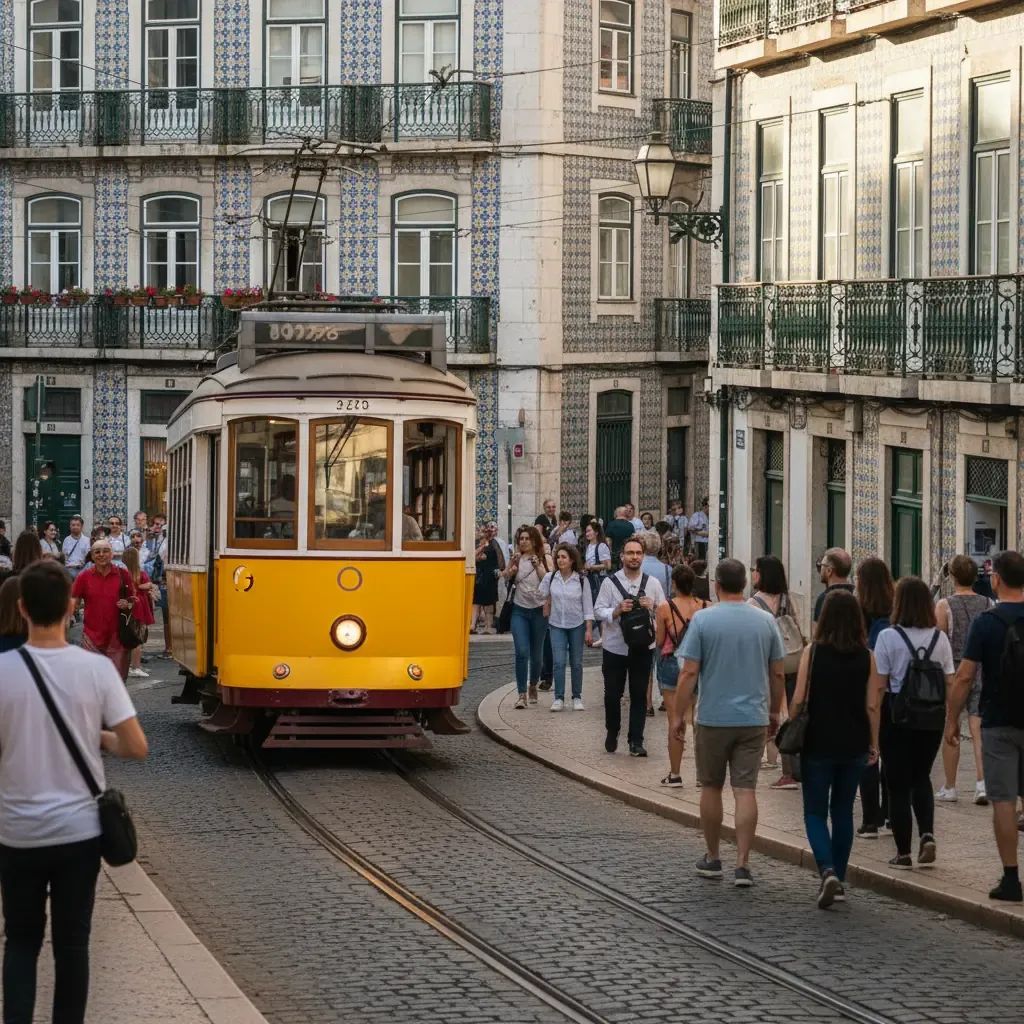
The Portugal Tourism Board has mapped out an unprecedented wave of first-time foreign visitors for 2026, a scenario that could reshape everything from Lisbon’s tram queues to the price of sardines in Sagres.
Why This Matters
• €27.7 B in tourist revenue last year already pushed rents and restaurant staffing to the limit; 2026 is on track to top that figure.
• A new Sustainability Index will rank tour operators and hotels, influencing which businesses get the bulk of eco-minded travellers.
• Foreign guests now spend an average €276.6 per trip, with US visitors posting double-digit growth—prime customers for premium experiences.
• Lisbon’s BTL fair (25 Feb–1 Mar 2026) is the place where local firms can lock in contracts with the new influx before peak season starts.
Where the Newcomers Will Actually Land
Lisbon and Porto remain magnets, but the government’s push to diversify tourist flows means Guimarães, Évora and inland river towns will feature heavily in travel-agent brochures. Expect a surge of day-trippers on CP trains headed for Sintra’s Pena Palace—ticket platforms already predict 20 % higher demand. Down south, AlgarExperience’s expanded fleet in Lagos and Portimão signals that the western Algarve will no longer be the quiet cousin of Vilamoura.
Euros on the Table for Local Businesses
Hoteliers saw room rates climb 8 % in 2025; cafés in Porto’s Ribeira district logged an even juicier 12 % jump in average check value. With the United Kingdom, Spain and the US supplying the bulk of newcomers, English-language menus and contactless payments are no longer optional. Wine bars take note: the opening of Tivoli Kopke Porto Gaia has re-ignited interest in heritage cellars, and visitors happily pay €25–€40 for a curated flight of tawny ports. Meanwhile, rural guest-house owners in the interior can tap the Linha +Interior Turismo subsidy for solar panels and EV chargers—boxes that the new Sustainability Index will reward.
Crowd Control & the Green Mandate
Portugal’s Plan Turismo + Sustentável is shifting from slogans to sanctions. Municipalities that exceed agreed visitor caps could lose infrastructure funding, meaning local councils will push harder for off-season festivals and stricter Airbnb licensing. In Guimarães, set to wear the European Green Capital badge, the city council is adding 11 km of dedicated cycle lanes and a low-emission zone; residents should prepare for tougher car-access rules by spring.
Smart Tech Meets Old Streets
A wave of AI-powered itinerary apps—many developed by Portuguese start-ups—will steer travellers beyond the well-trodden Alfama–Bairro Alto loop. Museums are rolling out AR and VR layers: visit the soon-to-open MACAM in Lisbon and see contemporary art come alive through a headset. For business owners, integrating with these platforms is the easiest way to appear on a first-timer’s phone screen without hefty marketing spend.
What This Means for Residents
• Commuters in Lisbon and Porto: budget extra travel time from May to September; Carris and Metro do Porto intend to run more frequent services but hubs will still be crowded.
• Short-term-rental hosts: new classification audits start in April. Refresh your energy certificates and recycle bins now to avoid surprise shutdowns.
• Retailers and restaurateurs: US travellers—up 11.9 % last year—tip generously but expect all-day service. Staffing rotas will need to stretch past midnight in tourist zones.
• Homebuyers and tenants: property prices historically spike 3-5 % in quarters that follow record tourist seasons. Lock in fixed-rate mortgages early if you’re house-hunting.
• Event organisers: the calendar is packed—from the Visit Portugal Conference (24 Feb) to mega-concerts like NOS Alive. Apply for municipal noise permits at least 90 days ahead; slots are already tight.
The Upshot
Portugal’s charm is no longer a secret; 31.6 M guests in 2024 proved that. The 2026 visitor boom will bring income and innovation, but also higher rents, busier streets and stricter green rules. Residents who plan early—whether by upgrading a guest room, learning basic Spanish customer-service phrases or simply buying a monthly metro pass—stand to benefit the most from the coming influx.


