
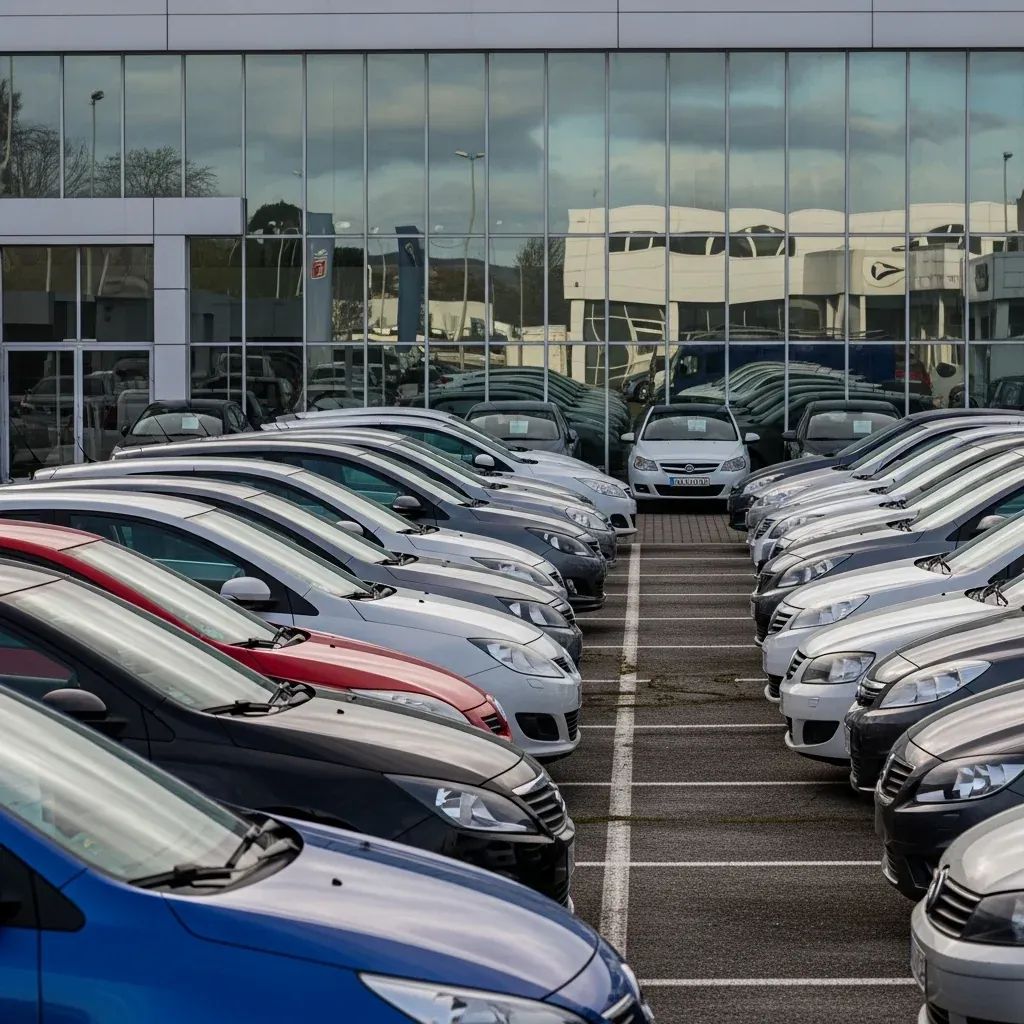
A wave of unease is rippling through Portugal’s car showrooms. By 2027 every vehicle on the road—new, used, or still parked on a dealer’s forecourt—will be taxed in the same month. Lisbon says the move will simplify life for motorists; dealerships warn it could drain their cash when sales are slow.
Snapshot of the coming shift
• Payment month moves to April for all owners, ending the current system that tracks each car’s registration date.
• No hike in tax rates, but timing changes mean many firms will face a single, larger outlay.
• Transitional rules in 2027 push the first collective bill to October (or July/October for higher brackets) to avoid double charging.
• From 2028, instalments become possible: one, two or three tranches depending on whether the annual IUC is ≤€100, €101-€500, or >€500.
From scattered deadlines to a single spring invoice
For years the Imposto Único de Circulação arrived on different dates—often forgotten until a fine landed. Finance Minister Joaquim Miranda Sarmento argues the April model is “more predictable, more citizen-friendly.” Officials also point to lower administrative costs and easier policing of late payers. The original plan set February 2026 as launch day; a cabinet reshuffle pushed the rollout to April 2027 after consultations with trade bodies.
A treasury headache for car retailers
Dealerships typically keep dozens, sometimes hundreds, of unsold vehicles registered in their own name. Under the spring timetable, they will have to pre-pay the IUC even before a car finds a buyer. Helder Barata Pedro, secretary-general of ACAP, calls it a “serious liquidity shock,” estimating that a mid-sized retailer could see an extra €250,000-€400,000 vanish from its accounts every April.
Fleet operators echo the fear. Renting companies juggle thousands of plates; a single-month tax bill could push them toward bank overdrafts just as interest rates remain stubbornly high. Smaller used-car lots, already squeezed by rising floor-plan costs, warn they might trim staffing or delay facility upgrades to cope.
Why the government says it will be worth the pain
The Finance Ministry insists the reform is about clarity over cash-grabs. Its internal modelling suggests that, spread across all taxpayers, the earlier concentration “does not materially change annual flows.” Officials believe motorists will welcome a singular “tax month,” mirroring how households already treat IRS and IMI deadlines.
Crucially, the ministry introduced graduated instalments—two payments for mid-range bills and three for the most expensive—to soften the impact. It also designed the 2027 transitional window so that no one pays twice within six months.
Relief ideas still on the table
Sector groups have not given up on tweaks. Their main ask: a temporary suspension of IUC on stock vehicles, with the levy transferred to the eventual buyer. ACAP says that measure would align Portugal with practices in Spain and France, where unsold inventory can be held tax-free for up to a year. The Association of Retail Automotive (ARAN) suggests a dedicated credit line via Banco de Fomento to bridge the April gap if full exemption proves too costly to the treasury.
The government has acknowledged the proposals but signalled that any carve-out must be “budget-neutral and fraud-proof.” A working group is expected to deliver recommendations early 2026.
What ordinary drivers should watch for
For most private owners, the change is mainly about marking April on the calendar. Those with lower-emission city cars will still pay well under €60 a year; an SUV in the 2.0-litre bracket can climb above €300. Crucially, the online payment portal will automatically display instalment options based on the amount due. Missing the new deadline will trigger the same 10% surcharge that already applies today.
The road ahead
Lawmakers must now translate the cabinet decision into the 2026 State Budget. If approved, the tax authority will begin shadow-billing next year to test its systems. Dealers, meanwhile, are racing to model cash-flow scenarios and lobby for last-minute relief. One thing is certain: come April 2028, spring will not just herald pollen season—it will bring a nationwide IUC invoice, and the auto sector is bracing for the hit.


