
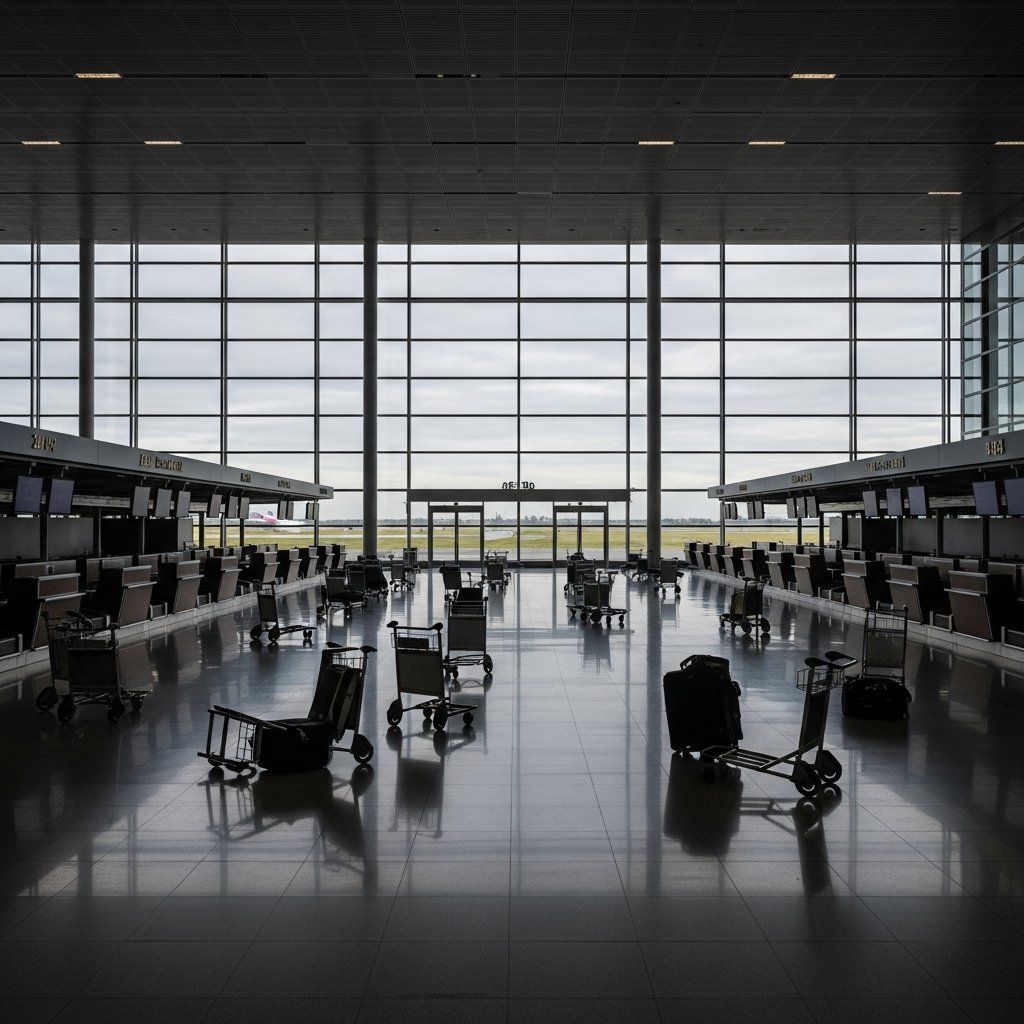
In a move that could ground hundreds of services and ripple through Portugal’s travel industry, cabin crew representatives have overwhelmingly backed participation in the nationwide strike called for December 11.
Quick Overview
A special assembly of the Sindicato Nacional do Pessoal de Voo da Aviação Civil (SNPVAC) produced an emphatic mandate, with 2,305 votes in favour out of 2,802 cast. Members decried what they see as a government-led dismantling of labour guarantees under the draft revision of the Código do Trabalho. This escalation coincides with the first joint action by CGTP and UGT since 2013 and threatens to disrupt travel just as Portugal enters its high season.
Mounting Discontent Above the Clouds
When cabin attendants gathered last week, they accused ministers of recasting an assault on rights as a modernisation effort. The emergency meeting highlighted fears that changes to working hours, overtime compensation and holiday entitlements will push already demanding rosters to breaking point. According to SNPVAC, the proposed framework amounts to testing the country rather than genuine dialogue, and its timing has deepened suspicion among crews at Lisbon, Porto and Faro airports.
Anatomy of the Proposed Labour Overhaul
Central to the controversy is the reintroduction of the Banco de Horas Individual, a system abolished in 2019. Crews warn that banking overtime rather than being paid immediately will exacerbate fatigue and undermine in-flight safety. Equally contentious is the plan to “purchase” unused vacation days, which unions view as a step towards commodifying rest. Critics fear these measures will erode collective agreements, weaken unions and accelerate precarious contracting across the sector.
December 11: Skies on Standby
Travellers booking for mid-December now face uncertainty. TAP Air Portugal has already alerted customers to possible cancellations, offering free rebooking or refunds for flights on the strike date. Meanwhile, ground-handling employees under SITAVA have signalled support for the walkout, raising the prospect of congested terminals and lengthy delays even where minimum-service decrees apply. Holiday arrangements may be thrown into disarray just as families plan festive getaways, and those relying on quick connections to European hubs will feel the pinch.
Beyond the Terminal: Economic Ripples
Portugal’s reliance on tourism—which accounts for 15% of GDP—means any transport stoppage carries heavy consequences. Hoteliers, regional tour operators and export firms are already bracing for an uptick in cancellations and logistical headaches. Business groups warn of dented investor confidence if talks collapse, while labour economists note that similar reforms in Ireland and Denmark came with safeguards against abuse—safeguards missing from this draft.
Looking Ahead: Path to Resolution
Despite ministerial pledges to minimise fallout, the gulf between government and unions remains wide. Mediators from the Conselho Económico e Social have floated tweaks on overtime caps and fatigue management, but neither side has shown readiness to back down. Should the bill pass unchanged, union leaders hint at a follow-up action targeting the aviation industry in spring. For now, passengers and companies alike must watch parliamentary debates closely and prepare for further turbulence both on the ground and in the halls of power.


