Portugal's Cabinet has doubled down on forest clearance funding for 2026, launching a coordinated national offensive against wildfire risk that involves military units, environmental agencies, and a newly formed Integrated Prevention and Operations Command (CIPO). The move comes after devastating winter storms knocked down thousands of trees across the country, leaving a dangerous blanket of combustible material across rural landscapes just months before peak fire season.
Why This Matters
• Deadline extended to June 30 for landowners in disaster-declared municipalities to clear vegetation, with fines looming for non-compliance.
• Government announces "redoubled investment" in the 2026 Rural Fire Combat Device (DECIR), signaling the largest commitment to firefighting resources in over a decade.
• Significant personnel, vehicles, and aircraft will be deployed during the critical July-September window.
• Emergency support programs are being established to assist property owners who clear storm-damaged forest zones before summer.
The Storm Aftermath Driving Urgency
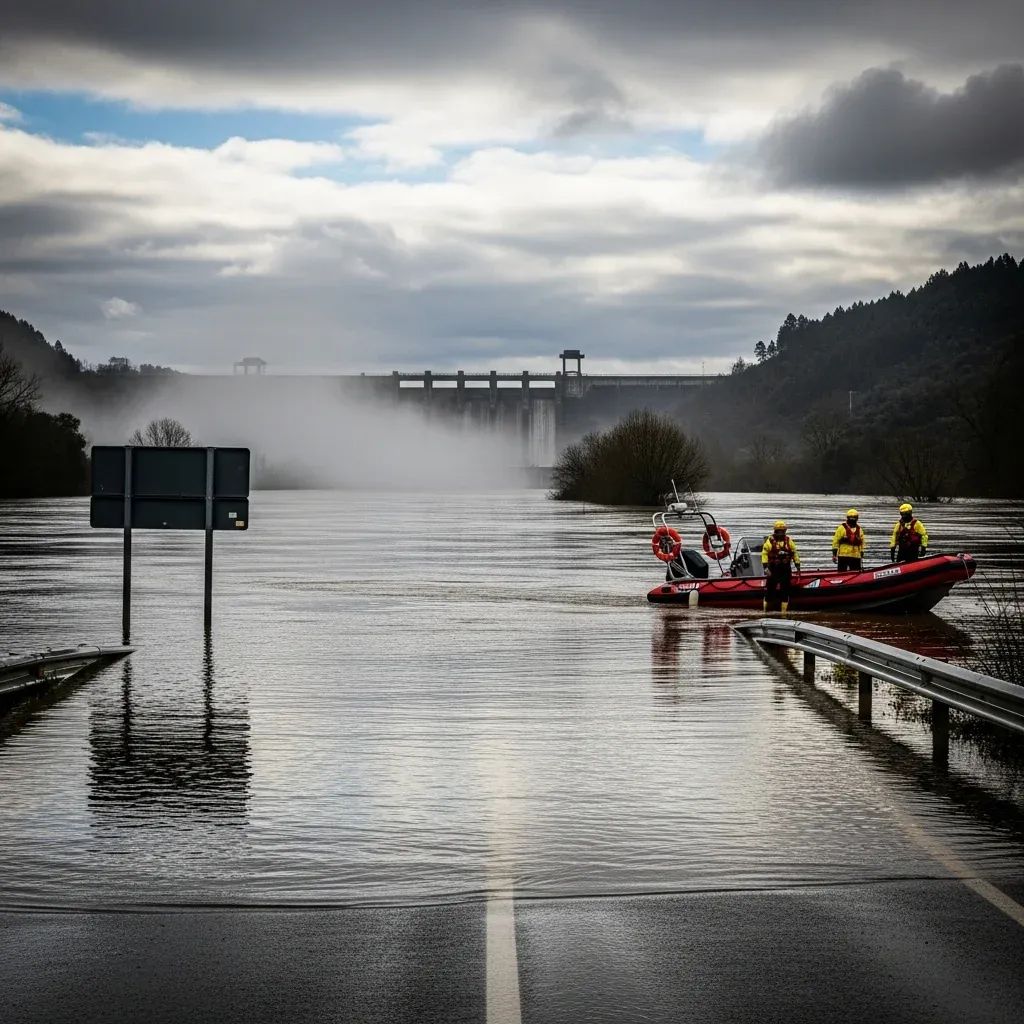
Prime Minister Luís Montenegro acknowledged that recent tempests—including the severe Depression Kristin—created an unprecedented fuel load across Portugal's forests. Toppled pines, eucalyptus branches, and fallen undergrowth have transformed large swaths of rural territory into tinderboxes. The government's emphasis on "redoubled investment" signals recognition that standard clearance schedules were inadequate for the scale of debris now littering hillsides and fire-prone valleys.
The Portugal Ministry of Defense has already mobilized army units to assist with brush removal in high-risk districts. President Marcelo Rebelo de Sousa visited one such operation in Vila de Rei on April 6, where soldiers worked alongside municipal crews to reopen access roads and firebreaks. Speaking during the São Bento festival in Mação, President Rebelo de Sousa expressed cautious optimism but noted he had been urging earlier action for months. "All of us hope no catastrophe occurs this summer," he told reporters, adding that forestry lane clearance should have started weeks earlier.
What This Means for Landowners
If you own, rent, or hold usufruct rights over rural property in Portugal, you are legally obligated to clear vegetation before June 30, 2026 in municipalities covered by the 2026 calamity declaration. For all other areas, the standard deadline of May 31 applies. Clearance obligations typically include:
• Buffer zones around rural or forest buildings.
• Strips bordering agricultural land.
• Pruning trees and maintaining appropriate spacing between crowns to reduce fire spread.
The Portugal Institute for Nature Conservation and Forests (ICNF) will manage forest ranger teams tasked with fuel-load reduction. Municipal councils and the ICNF portal will provide information on support programs and eligibility criteria in the coming weeks for property owners seeking assistance with clearance efforts.
The New Command Structure
The Integrated Prevention and Operations Command (CIPO) represents a structural shift in how Portugal coordinates wildfire mitigation. Headquartered in Leiria—the epicenter of some of the country's worst fire disasters—the command will centralize planning, risk assessment, and field intervention under one roof. Key participants include:
• National Emergency and Civil Protection Authority (ANEPC): Operational coordination.
• Institute for Nature Conservation and Forests (ICNF): Technical guidance and forest management.
• Agency for Integrated Rural Fire Management (AGIF): Monitoring and evaluation.
• Portugal Republican National Guard (GNR): Enforcement and compliance checks.
• Portuguese Armed Forces: Logistical and on-ground support.
• Portuguese Firefighters League: Liaison officer representation.
CIPO's mandate focuses on removing accumulated fuel, clearing critical areas, reopening pathways, and improving access for emergency vehicles. Unlike previous ad-hoc arrangements, the command operates year-round with permanent coordination and real-time field monitoring. The structure aligns with national forest management and integrated rural fire prevention strategies aimed at reducing annual burned area and catastrophic event frequency.
DECIR 2026: Enhanced Deployment for Peak Fire Season
The Special Device for Combating Rural Fires (DECIR) 2026 is being expanded to meet the elevated threat. During the critical summer months, the system will field firefighters and civil protection officers, supported by vehicles and aerial assets at peak readiness. The deployment represents a significant scaling up compared to previous years.
The Portugal Ministry of Internal Administration has published operational directives outlining command hierarchies, resource staging points, and mutual-aid protocols between districts. Surveillance and early detection systems will be coordinated through watchdog networks, drone patrols, and citizen reporting channels.
European Support and Long-Term Funding
Portugal is working with European frameworks to address forest recovery and prevention. EU initiatives emphasize ecosystem-based prevention and support for reforestation in areas ravaged by natural disasters. These programs complement domestic efforts to improve forest management and reduce fire risk.
Portugal is not alone in confronting escalating fire risk. The European Commission launched a comprehensive wildfire strategy spurred by severe recent fire seasons across the continent. The EU plan emphasizes ecosystem-based prevention, improved monitoring systems, and enhanced aerial response capabilities. Spain, Romania, and other European nations are aligning national protocols with EU frameworks. In Portugal, projects promote techniques like controlled burns and targeted grazing to reduce fuel loads naturally, approaches supported by satellite monitoring and data-sharing systems.
What Comes Next
Municipal fire-defense plans remain valid through 2026, with potential updates through sub-regional action programs. The GNR will intensify compliance inspections starting in May, with enforcement for properties that have not completed required clearance. Residents in high-danger zones—particularly those adjoining forests or within risk-prone areas—should prioritize vegetation clearance to meet the extended June 30 deadline.
Prime Minister Montenegro has pledged to deliver "concrete results in protecting people and territory," signaling that political accountability will hinge on summer outcomes. President Rebelo de Sousa's public remarks underscore a national commitment to wildfire prevention: Portugal has weathered catastrophic fire seasons before, and the lessons from previous disasters continue to shape policy decisions. Whether the combined weight of renewed investment, military support, and centralized command can translate into a safer summer remains the open question as the calendar ticks toward July.